Table of Contents:
The Anatomy of Modern Packaging: Functions, Evolution, and Engineering Principles
Packaging is one of the most underestimated engineering disciplines in consumer goods. A beverage can, for instance, withstands up to 90 psi of internal pressure while weighing under 15 grams — a feat of materials science that took decades to optimize. Understanding what packaging actually does — beyond the obvious — is the foundation for making smarter decisions across procurement, design, logistics, and sustainability strategy.
The Six Core Functions of a Package
Most professionals cite three or four packaging functions, but a complete operational framework requires six. Missing any one of them creates measurable downstream failures — product spoilage, compliance issues, or retailer rejection rates that can exceed 8% on poorly specified lines.
- Containment: The most basic function — physically holding the product. Liquid containment requires barrier integrity testing; solid containment demands compression resistance standards like ASTM D642.
- Protection: Guarding against mechanical shock, moisture vapor transmission (MVTR), oxygen ingress, UV degradation, and microbial contamination. Pharmaceutical cold-chain packaging must maintain 2–8°C across transit windows exceeding 96 hours.
- Preservation: Extending shelf life through active or passive systems — modified atmosphere packaging (MAP) for fresh produce can extend viability by 300–400% compared to ambient conditions.
- Communication: Regulatory compliance (FDA, EU 1169/2011), brand identity, and increasingly, digital interfaces via QR codes or NFC chips embedded at the print layer.
- Convenience: Ergonomics, portioning, reclosability, and ease of opening — features that directly influence repeat purchase rates by up to 23% according to Mintel shelf research.
- Sustainability: No longer a marketing add-on, but an engineering constraint governed by Extended Producer Responsibility (EPR) legislation across 40+ countries as of 2024.
Engineering Layers: Primary, Secondary, and Tertiary Systems
Professional packaging specification always works across three distinct levels. The primary package contacts the product directly — a blister cavity, a glass vial, a flexible pouch with a hermetic seal. The secondary package groups primary units for retail handling, typically a folding carton or shrink sleeve multipack. The tertiary package handles distribution loads — corrugated shippers engineered to BCT (Box Compression Test) values aligned with specific stacking heights in automated warehouses. Confusing these levels is where specification errors typically enter the supply chain, and it's worth understanding the operational distinction between packaging and packing to keep roles and responsibilities clearly assigned across your team.
The historical arc of these systems is not linear. Packaging's development across centuries shows repeated cycles of material substitution driven by resource scarcity, technological breakthrough, or regulatory pressure — the same forces reshaping the industry today with bioplastics and fiber-based alternatives. What changed dramatically in the 20th century was the shift from artisan craftsmanship to industrial engineering — tolerances measured in microns, fill weights controlled to ±0.5%, and seal integrity verified through non-destructive leak testing at line speeds exceeding 600 units per minute.
The conceptual framework itself has also evolved considerably. How packaging is defined across regulatory, marketing, and supply chain contexts has expanded to include digital, experiential, and circular economy dimensions that simply didn't exist in ISO standards 30 years ago. For practitioners, this means a packaging specification document today needs to address far more variables than material grade and print specification — it must account for end-of-life infrastructure, digital traceability, and retail fixture compatibility simultaneously.
Material Science in Packaging: Comparing Plastics, Polymers, and Their Applications
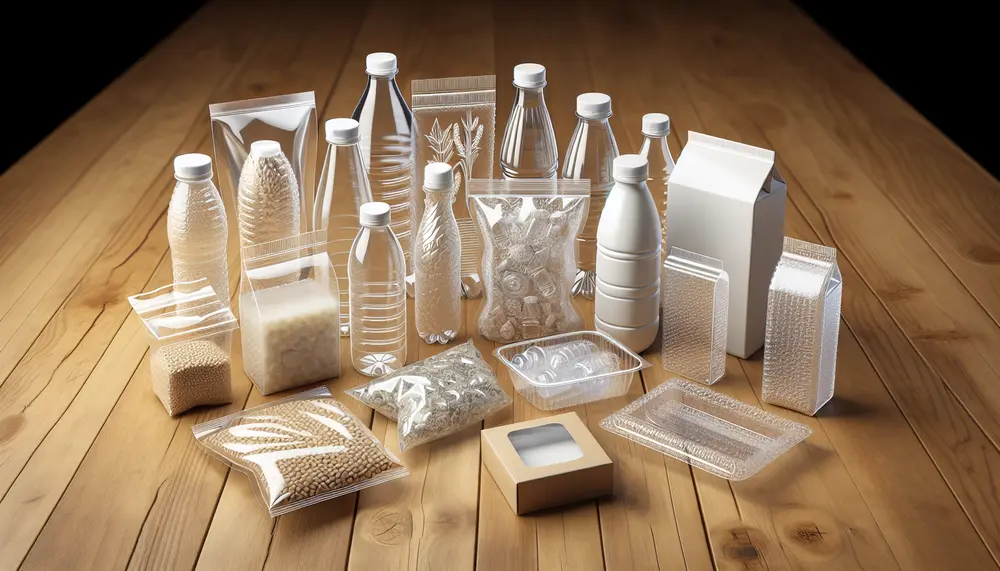
Selecting the right polymer for a packaging application is rarely straightforward. The decision matrix involves tensile strength, vapor transmission rates, chemical resistance, processing temperatures, and end-of-life considerations — often simultaneously. While the full spectrum of packaging substrates extends well beyond plastics, polymers dominate roughly 40% of global packaging production by volume, making a rigorous understanding of their molecular behavior essential for any packaging engineer or procurement specialist.
The core distinction between polymer families lies in their molecular chain architecture. Polyolefins — the workhorse category encompassing polyethylene and polypropylene — are non-polar, semi-crystalline materials with exceptional moisture barrier properties but limited oxygen barrier performance. Polyesters like PET offer superior clarity and gas barrier, but at roughly 2–3× the material cost of standard polyethylene grades. Polyamides (nylons) tolerate puncture and flex fatigue far better than most alternatives, which is why they appear consistently in vacuum-formed meat trays and medical device pouches.
Polyethylene Grades: Why Density Changes Everything
Within polyethylene alone, the difference between low-density and high-density variants is dramatic enough to constitute functionally different materials. LDPE (Low-Density Polyethylene) has a branched molecular structure that produces flexibility, transparency, and excellent heat-sealability at temperatures between 120–160°C. This makes it the default choice for produce bags, shrink wraps, and squeezable tubes. A detailed breakdown of flexible packaging solutions using low-density polyethylene shows how branching density directly affects seal integrity under refrigerated conditions — a critical variable for cold-chain logistics.
HDPE, by contrast, has a linear chain structure with crystallinity levels reaching 80–90%, which translates to tensile strength values of 20–37 MPa versus LDPE's 8–20 MPa. This structural rigidity makes HDPE the preferred substrate for rigid containers, bottles, and applications demanding chemical resistance against solvents, acids, and alkalis. For bulk industrial applications, the performance advantages of high-density polyethylene become particularly pronounced when comparing long-term stress-crack resistance under sustained load — a failure mode that destroys LDPE components in months. When the application demands both structural integrity and reusability, heavy-duty bags engineered from HDPE demonstrate why this material has become synonymous with industrial bulk packaging.
Matching Polymer Properties to Application Requirements
Practical material selection follows a hierarchy of constraints. Start with the product's chemical compatibility requirements, then layer in mechanical demands, processing method limitations, and finally sustainability targets. Key performance differentiators to evaluate include:
- Oxygen Transmission Rate (OTR): critical for food and pharma; EVOH barrier layers reduce OTR to below 0.5 cc/m²/day
- Water Vapor Transmission Rate (WVTR): HDPE outperforms LDPE by a factor of 3–5× at equivalent thicknesses
- Melt Flow Index (MFI): determines processing compatibility with injection molding, blown film, or extrusion lines
- UV stability: standard polyolefins degrade within 300–500 hours of UV exposure without stabilizer additives
- Recyclability classification: resin identification codes 1–7 directly affect post-consumer recycling stream acceptance rates
A recurring mistake in specification work is optimizing exclusively for one property — say, tensile strength — while ignoring downstream processing constraints. A high-crystallinity HDPE grade that delivers excellent rigidity may require barrel temperatures 30°C higher than a standard grade, increasing energy consumption and cycle times enough to erode any cost advantage gained from reduced material gauge. Material science in packaging is always a system-level problem.
Advantages and Disadvantages of Package Management in Software Development
| Pros | Cons |
|---|---|
| Enables code reuse and sharing across projects | Dependency conflicts can arise, causing debugging challenges |
| Facilitates version control for better software reliability | Packages may not be actively maintained, creating vulnerabilities |
| Supports collaboration among development teams | Complexity increases with a large number of transitive dependencies |
| Improves development speed by using pre-built solutions | May lead to bloated codebases with unused packages |
| Utilizes semantic versioning for predictable updates | Breaking changes in major version updates can disrupt projects |
Sector-Specific Packaging Strategies: Agriculture, Food, and Pharmaceuticals
No two industries place identical demands on packaging — and nowhere is this more evident than when comparing agriculture, food processing, and pharmaceuticals. Each sector operates under distinct regulatory frameworks, supply chain conditions, and end-user expectations that make a one-size-fits-all approach not just inefficient, but commercially dangerous. Understanding these divergences is what separates packaging professionals who merely execute orders from those who add measurable value to the supply chain.
Agricultural and Fresh Food Packaging: The Battle Against Time and Biology
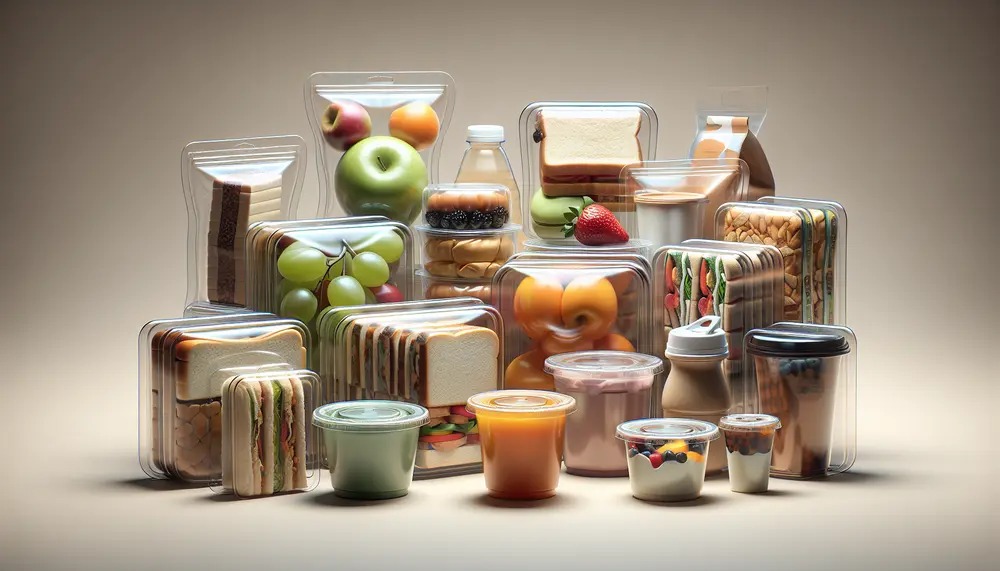
Agricultural packaging is fundamentally about managing biological processes — respiration, ethylene production, moisture transpiration, and microbial activity — all of which continue after harvest. Controlling these post-harvest dynamics through smart packaging choices can extend shelf life by 30–50% for commodities like berries and leafy greens, directly translating into reduced food waste and stronger margins for distributors. The packaging choice at the farm gate sets the conditions for everything downstream.
Material selection is where agricultural packaging gets genuinely complex. Modified Atmosphere Packaging (MAP) for strawberries requires oxygen transmission rates (OTR) between 1,000–2,000 cc/m²/day, while broccoli demands rates ten times higher due to its elevated respiration. Matching film permeability to specific produce categories is a technical discipline that draws on polymer chemistry, not just procurement catalogs. Common material categories in this space include:
- Micro-perforated films: Laser-drilled OPP or PET films for high-respiration commodities like mushrooms and broccoli
- Anti-fog coatings: Critical for retail visibility in refrigerated display, particularly for pre-washed salads
- Ventilated corrugated containers: Stack strength and airflow balance remain the central engineering challenge in bulk transport
- Active packaging inserts: Ethylene absorbers and moisture-control pads for premium stone fruits and tropicals
Cold chain integrity compounds these material decisions. A packaging system that performs optimally at 2°C may fail at 8°C if temperature excursions occur during last-mile delivery — a scenario that happens in an estimated 15–20% of refrigerated shipments in developing logistics markets.
Pharmaceutical Packaging: Compliance Is the Product
In pharmaceuticals, packaging is not a cost center — it is a quality system component subject to ICH Q8, Q9, and Q10 guidelines, FDA 21 CFR, and EU GMP Annex 1. A single packaging defect that compromises sterile barrier integrity or allows moisture ingress can invalidate an entire batch worth millions of euros. Systematic defect prevention in blister and vial packaging requires statistical process control, not just visual inspection at line end.
Export markets introduce another layer of complexity that catches many manufacturers off guard. Japan's PMDA, Brazil's ANVISA, and the Gulf States' regulatory bodies each have distinct serialization, labeling language, and stability testing requirements. Building export-compliant packaging specifications from the design phase avoids the costly late-stage artwork revisions and re-registration processes that can delay market entry by 6–18 months. Key pharmaceutical packaging parameters that must be locked in early include:
- Water vapor transmission rate (WVTR): Especially critical for hygroscopic APIs like effervescent tablets
- Child-resistant and senior-friendly (CR/SF) dual compliance: Required in the US, UK, and increasingly across the EU
- Serialization and tamper-evidence: Datamatrix codes must meet ISO/IEC 15415 print quality standards for track-and-trace systems
The operational reality is that pharmaceutical packaging validation — including container closure integrity testing (CCIT) and accelerated stability studies — must be integrated into the product development timeline, not appended as an afterthought. Bridging the gap between R&D requirements and commercial packaging specifications early in development remains one of the most persistent and expensive failures in pharma launch management.
Protective Packaging Technologies: From Vacuum Sealing to High-Temperature Solutions
Modern protective packaging has evolved far beyond simple cardboard boxes and bubble wrap. Today's technologies are engineered responses to specific threat profiles — moisture, oxygen, mechanical shock, extreme heat — and selecting the wrong solution can mean product loss, liability exposure, or regulatory failure. The fundamental principles behind protecting goods during transit and storage form the backbone of every technology decision in this space, and understanding them separates reactive packaging choices from strategic ones.
Vacuum and Modified Atmosphere Technologies
Vacuum sealing remains one of the most effective methods for extending product shelf life by removing up to 99.9% of ambient oxygen from the package interior. Without oxygen, aerobic bacteria cannot proliferate, lipid oxidation slows dramatically, and enzymatic browning is largely suppressed. In the food industry specifically, how vacuum packaging transforms the preservation timeline of perishables like cured meats and soft cheeses is well-documented — shelf life extensions of 300–500% compared to conventional packaging are routinely achievable. Modified Atmosphere Packaging (MAP) takes this further by replacing removed air with a calibrated gas mixture, typically CO₂, N₂, and O₂ in ratios tuned to the specific product's biochemistry.
From a materials standpoint, effective vacuum sealing demands high-barrier film structures — typically multilayer laminates combining EVOH (ethylene vinyl alcohol) or PVDC layers with polyethylene or nylon. Barrier performance is measured in oxygen transmission rate (OTR), and premium applications require films achieving below 1 cm³/m²/day at 23°C and 75% RH. For medical devices and electronics, additional desiccant sachets are integrated to control residual moisture after sealing.
High-Temperature and Thermal Protective Solutions
Thermal protection represents one of the most technically demanding segments of the industry. Products like pharmaceuticals, aerospace components, and ready-to-eat meals require packaging that either maintains internal temperatures within a defined range or withstands external heat sources without structural failure. Packaging engineered specifically for high-temperature environments typically relies on materials such as cross-linked polyethylene foam, aerogel insulation blankets, or phase-change materials (PCMs) capable of absorbing latent heat at precise temperature thresholds — for example, PCMs based on paraffin wax that activate at exactly 37°C to protect temperature-sensitive biologics.
Retort packaging — used extensively for shelf-stable ready meals — must withstand sterilization temperatures of 121°C and above while maintaining seal integrity. This requires retort-grade polypropylene or foil-laminate pouches tested to ASTM F1921 peel-strength standards. Failure to specify the correct substrate here leads to delamination, seal failure, and contamination risk — a costly mistake that frequently happens when engineers specify standard stand-up pouches without reviewing the thermal processing parameters.
For mechanical protection of irregularly shaped or fragile items during shipping, void-fill solutions like packing peanuts still hold relevance, particularly for lightweight consumer goods where cushioning-to-weight ratio matters. Starch-based biodegradable variants now offer comparable performance to EPS at densities around 8–10 kg/m³ while meeting EU composting standards (EN 13432).
- Oxygen transmission rate (OTR): benchmark below 1 cm³/m²/day for sensitive products
- Retort packaging: minimum 121°C tolerance with validated seal integrity testing
- Phase-change materials: specify activation temperature within ±2°C of product requirement
- MAP gas ratios: always validate with product-specific respiration rate data, not generic tables
Regulatory Compliance and Safety Standards: HS Codes, HSN Codes, and Legal Frameworks
Navigating the regulatory landscape for packaging is one of the most underestimated challenges in global trade and manufacturing. A misclassified shipment can trigger customs delays, fines running into six figures, or outright seizure of goods. The Harmonized System (HS) — maintained by the World Customs Organization — forms the backbone of international trade classification, with over 200 countries using its structure to determine tariffs, import restrictions, and compliance requirements. For packaging professionals, this means a working knowledge of these codes isn't optional; it's operational infrastructure.
HS and HSN Codes: Classification in Practice
The HS code system uses a 6-digit base structure, which individual countries then extend for domestic purposes. Packaging materials fall across multiple chapters — Chapter 39 covers plastics, Chapter 48 handles paper and paperboard, and Chapter 73 applies to steel-based packaging components. Getting this right matters because a corrugated fiberboard box (HS 4819.10) carries different duty rates than a rigid plastic container (HS 3923.10). Anyone sourcing or exporting packaging at scale should understand how these product classifications are structured and applied before negotiating supplier contracts or filing customs documentation.
India's HSN (Harmonized System of Nomenclature) adds another layer of specificity, particularly relevant for companies operating in or sourcing from the Indian subcontinent. Under India's GST framework, packaging goods attract rates ranging from 5% to 18% depending on material and end-use. For example, jute packaging carries a 5% GST rate, while most plastic packaging falls under the 18% bracket. Companies managing supply chains into India should familiarize themselves with how HSN-based tax classification works to avoid downstream billing errors and compliance gaps with the GST authority.
Pharmaceutical and medical device packaging deserves special attention here. Regulatory bodies including the FDA, EMA, and their counterparts apply stringent traceability and material safety requirements to any packaging that contacts pharmaceutical products directly. The HS classification for these items — particularly for blister packs, sterile pouches, and amber glass vials — carries implications far beyond tariff rates. Importers and manufacturers in this space need to apply the correct pharma-specific commodity codes to ensure both customs compliance and alignment with drug regulatory requirements.
Legal Frameworks Shaping Packaging Operations
Beyond classification codes, packaging companies operate within a dense web of statutory requirements. Extended Producer Responsibility (EPR) legislation now exists in over 60 countries, requiring producers and importers to fund the end-of-life management of the packaging they place on the market. The EU's Packaging and Packaging Waste Regulation (PPWR), revised in 2024, sets binding recycled content targets — 35% for contact-sensitive plastics by 2030, rising to 65% for non-contact applications. Non-compliance carries market access restrictions, not just fines.
Organizations that want a structured overview of how major regulatory frameworks are reshaping packaging obligations globally will find the complexity extends well beyond environmental law — food contact materials regulation (EC 1935/2004 in Europe, 21 CFR in the US), labeling mandates, and chemical restriction lists like REACH all intersect directly with packaging design and material selection decisions.
- Document classification decisions with binding rulings from customs authorities where shipment values exceed $50,000 annually
- Audit material data sheets against REACH SVHC candidate lists before finalizing packaging specifications
- Register with EPR schemes in each market country before placing packaged goods on sale — retroactive compliance is rarely accepted
- Maintain HS code consistency across invoices, packing lists, and certificates of origin to avoid customs discrepancy flags
Sustainability, Recycling, and the Shift Toward Circular Packaging Models
The packaging industry is undergoing one of its most fundamental structural shifts in decades. Regulatory pressure — particularly the EU Packaging and Packaging Waste Regulation (PPWR), which mandates that all packaging be recyclable by 2030 — is forcing manufacturers, brand owners, and retailers to redesign their material strategies from the ground up. What was once a voluntary CSR initiative has become a hard compliance requirement with real commercial consequences for non-conformance.
Recyclability Is Not the Same as Circularity
A common mistake in sustainability planning is conflating recyclability with actual circularity. A package may be technically recyclable yet never re-enter the material loop due to contamination, collection infrastructure gaps, or consumer behavior. The Ellen MacArthur Foundation estimates that less than 2% of plastic packaging is currently recycled in a closed-loop, back-to-equivalent-use system. True circularity demands design choices that account for sorting technology, reprocessing capacity, and end-market demand for secondary materials. Closing the loop effectively requires coordination across the entire value chain — not just at the material selection stage.
Mono-material structures are gaining significant ground precisely because they solve the multi-layer delamination problem that has blocked flexible packaging from recycling streams for years. PE-based laminates replacing traditional PET/PE combinations, or all-PP solutions replacing mixed polyolefin structures, represent concrete engineering responses to sortability requirements. The trade-off is often barrier performance, which is why active packaging technologies and coating innovations are receiving heavy R&D investment.
Reuse Models and Material-Specific Sustainability Strategies
Beyond recyclability, reuse systems are reshaping certain packaging categories entirely. The beverage and foodservice sectors are seeing growing adoption of deposit-return schemes and refill formats. In Germany, the Mehrweg (reuse) quota for beverage packaging is legally mandated at 70%, and enforcement is tightening. The broader consumer shift toward reusable formats in on-the-go consumption is creating new logistical models — including cup-washing networks and digital deposit tracking — that simply did not exist five years ago.
Material selection remains central to the sustainability calculus. HDPE, for example, is one of the most efficiently recycled polymers in the world, with established collection, sorting, and reprocessing infrastructure in most developed markets. Its combination of food-contact safety and recyclability makes it a strong default choice for rigid food packaging applications where brand owners need proven performance alongside credible end-of-life claims.
Sustainability in packaging also intersects with chemical safety in ways that are increasingly regulated. Mineral oil saturated hydrocarbons and aromatic compounds — collectively known as MOSH/MOAH — represent a migration risk in recycled fiber-based packaging, particularly in direct food contact applications. Understanding how MOSH/MOAH contamination travels through packaging supply chains is essential for anyone working with recycled paperboard or secondary fiber materials at food contact boundaries.
Practical sustainability planning today requires packaging teams to work simultaneously across several dimensions:
- Design for recyclability — mono-material structures, elimination of problematic additives, sortability validation via RecyClass or APR protocols
- Recycled content integration — PCR material sourcing, quality management for food-contact compliance, supplier qualification
- Reuse infrastructure alignment — deposit-return compatibility, cleaning cycle durability, consumer interface design
- Chemical compliance — migration testing, MOSH/MOAH screening, REACH and food contact material regulation adherence
The brands that will lead in this space are not those producing the most ambitious sustainability reports — they are those systematically redesigning packaging at the engineering level, with measurable recyclate recovery rates and third-party verified circularity claims.
FAQ on Software Package Management
What are software packages?
Software packages are collections of related code that can be shared and reused across different projects, often including libraries, dependencies, and documentation.
Why is package management important?
Proper package management facilitates code reuse, enhances collaboration, and helps maintain version control, leading to more reliable and efficient software development.
What are transitive dependencies?
Transitive dependencies are indirect dependencies that occur when a package relies on another package, which in turn relies on one or more additional packages.
How do semantic versioning and lockfiles help?
Semantic versioning provides a clear structure for understanding version changes, while lockfiles ensure consistent package versions across environments, reducing potential conflicts.
What challenges arise from package management?
Challenges include managing dependency conflicts, maintaining outdated packages, and addressing potential security vulnerabilities in dependencies that are no longer actively maintained.