
Packaging System
Packaging System
Packaging System
A Packaging System is a coordinated method of preparing goods for transport, storage, and sale. It involves selecting the right materials, designing the packaging, and ensuring the products are protected.
Components of a Packaging System
A Packaging System includes several key components. These are the primary, secondary, and tertiary packaging. Each layer serves a specific purpose in protecting and presenting the product.
Primary Packaging
The primary packaging is the first layer that directly contacts the product. It keeps the product safe and often includes branding elements. Examples include bottles, cans, and wrappers.
Secondary Packaging
Secondary packaging groups primary packages together. It makes handling and transport easier. Common examples are boxes and cartons.
Tertiary Packaging
Tertiary packaging is used for bulk handling and shipping. It ensures the safe transport of large quantities of products. Pallets and crates are typical examples.
Importance of a Packaging System
A well-designed Packaging System protects products from damage. It also enhances the customer experience and can influence purchasing decisions. Effective packaging systems are crucial for maintaining product quality and brand reputation.
Conclusion
Understanding the components and importance of a Packaging System is essential. It ensures products reach consumers in perfect condition and supports brand success.
Blog Posts with the term: Packaging System
 AI-generated
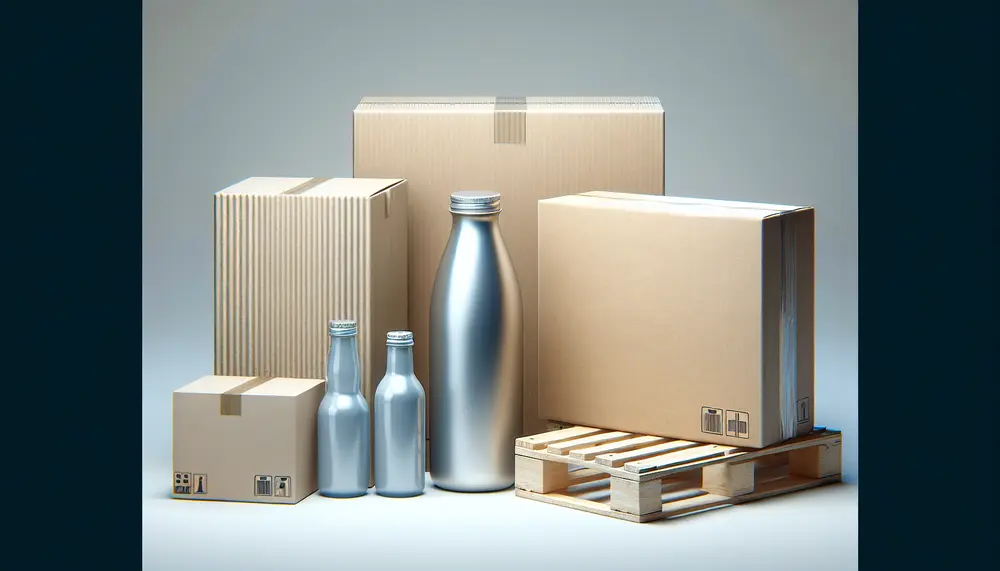
Packaging levels refer to the layers of packaging used from production to consumer, including primary (direct product contact), secondary (grouping and branding), and tertiary (bulk handling). Each level serves distinct purposes in protection, marketing, transportation, and regulatory compliance....
 AI-generated
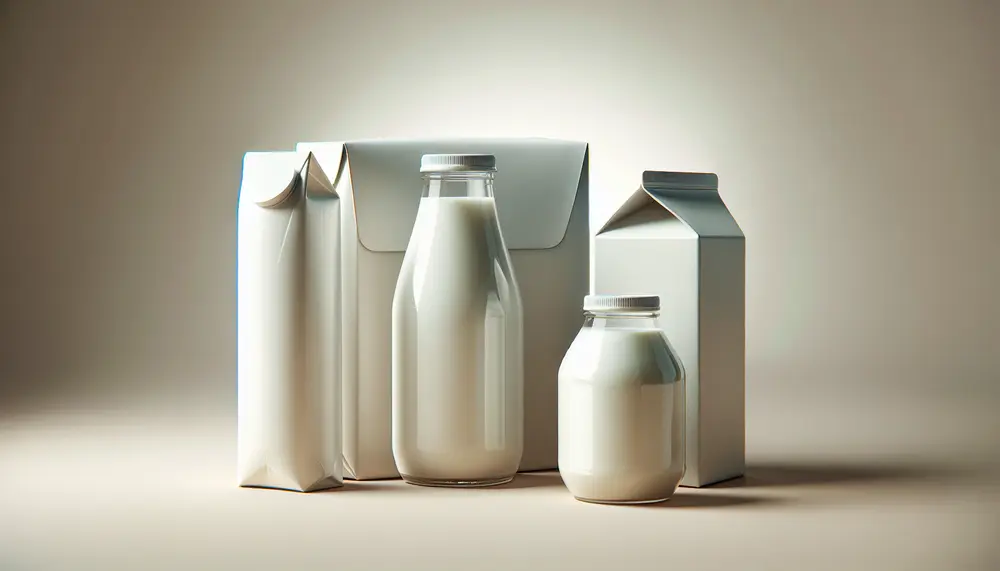
This article discusses the evolution and variety of milk packaging materials, highlighting their role in preserving milk's freshness, taste, and nutrition. It covers historical advancements from glass bottles to modern sustainable options, examining each material's benefits and drawbacks for consumers...
 AI-generated
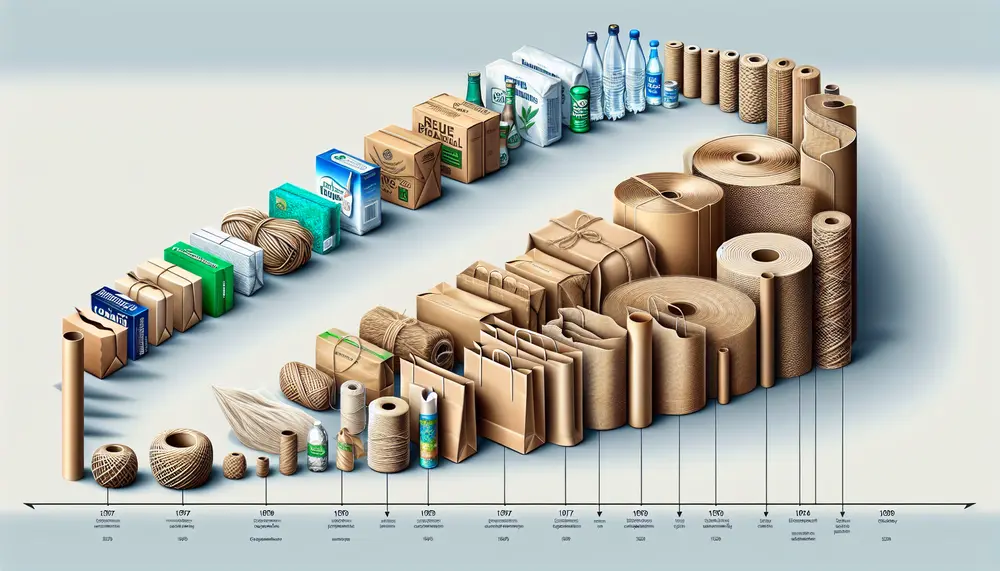
Packaging is a complex, engineered process for product protection, presentation, and preservation with functions including containment and information. It has evolved to incorporate user experience, environmental considerations, and technological advancements. Historically packaging materials have advanced from natural resources to modern lightweight...
 AI-generated
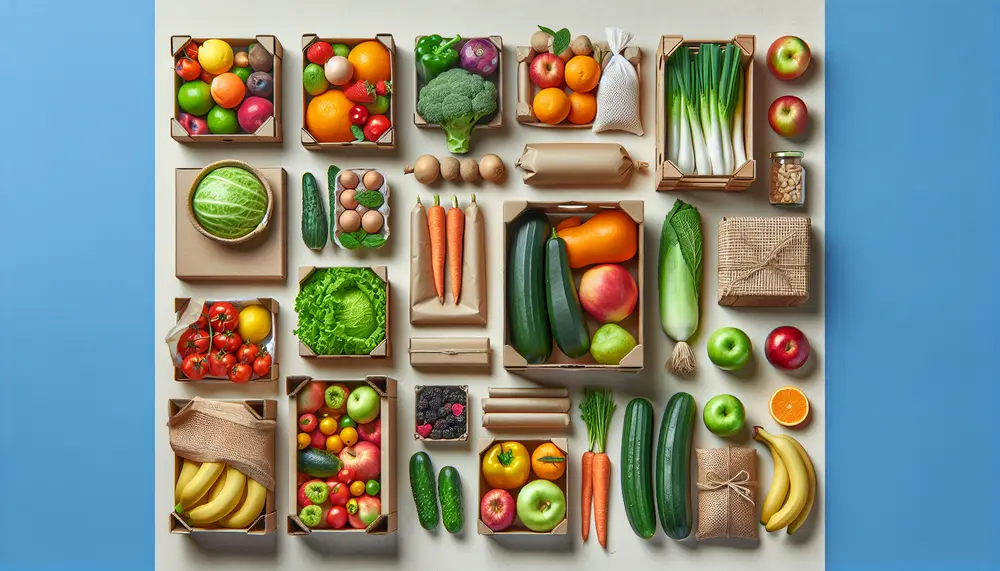
Packaging in agriculture is crucial for protecting produce from farm to market, maintaining quality and freshness, and enhancing logistical efficiency. It reduces waste, ensures food safety, aids branding, and supports global trade by enabling access to wider markets....
 AI-generated
The Packaging Corporation of America (PCA) is a leader in innovative packaging solutions, enhancing brand recognition and sustainability with advanced designs and materials. PCA's custom-engineered options cater to diverse industries, integrating technology for efficiency and quality assurance while focusing on...
 AI-generated
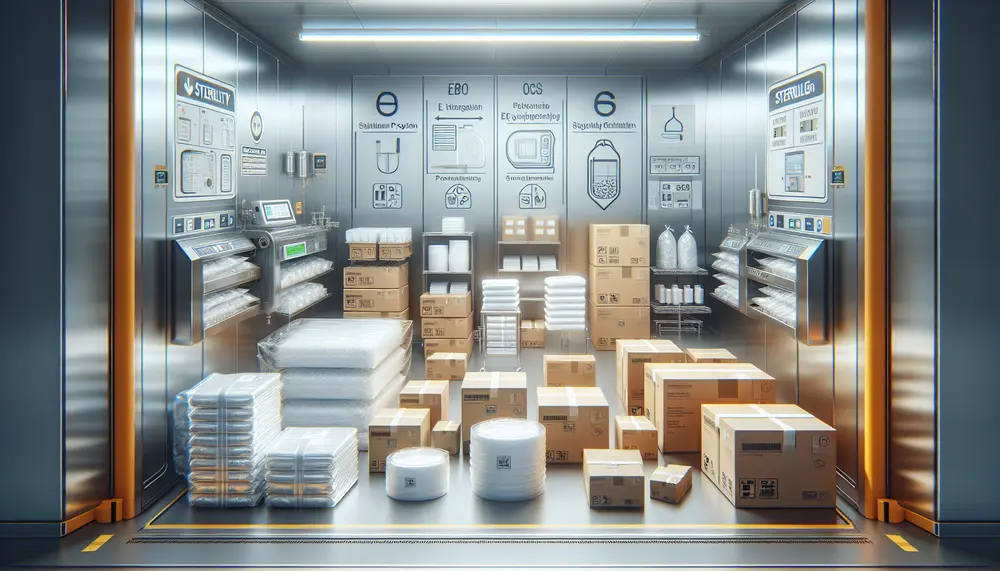
EO sterilization is a vital low-temperature method for medical devices, requiring packaging that allows gas penetration and maintains sterility. Packaging materials like PE, PP, polystyrene, nylon, PET, and multilayer laminates are compatible with EO but must be designed to ensure...
 AI-generated
Packaging R&D is essential for innovation in the industry, focusing on functionality, efficiency, sustainability and improving user experience while minimizing environmental impact. Innovation drives packaging solutions forward with smart technologies and eco-friendly materials to meet market needs and reduce environmental...
 AI-generated
Amazon's packaging evolution reflects its commitment to innovation, sustainability, and customer satisfaction through initiatives like Frustration-Free Packaging, which reduces waste and enhances the unboxing experience. By leveraging eco-friendly materials, AI-driven optimization, and scalable solutions across product categories, Amazon has set...
 AI-generated
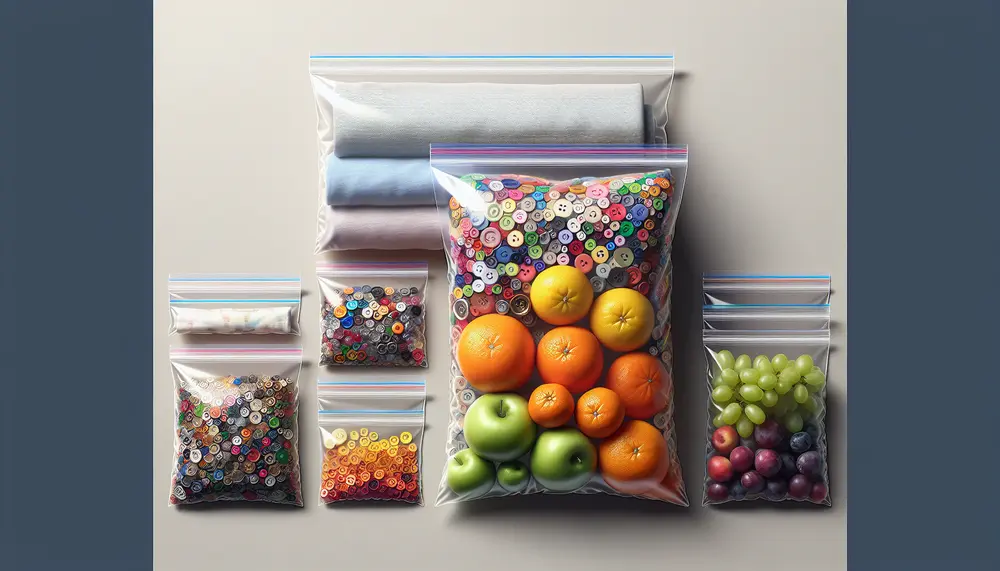
Ziplock packaging bags offer a versatile and sustainable solution for storage, organization, and transportation needs across various industries. They are reusable, come in different sizes with additional features, and advancements include recycled material options to reduce environmental impact. Recycled ziplock packaging...
 AI-generated
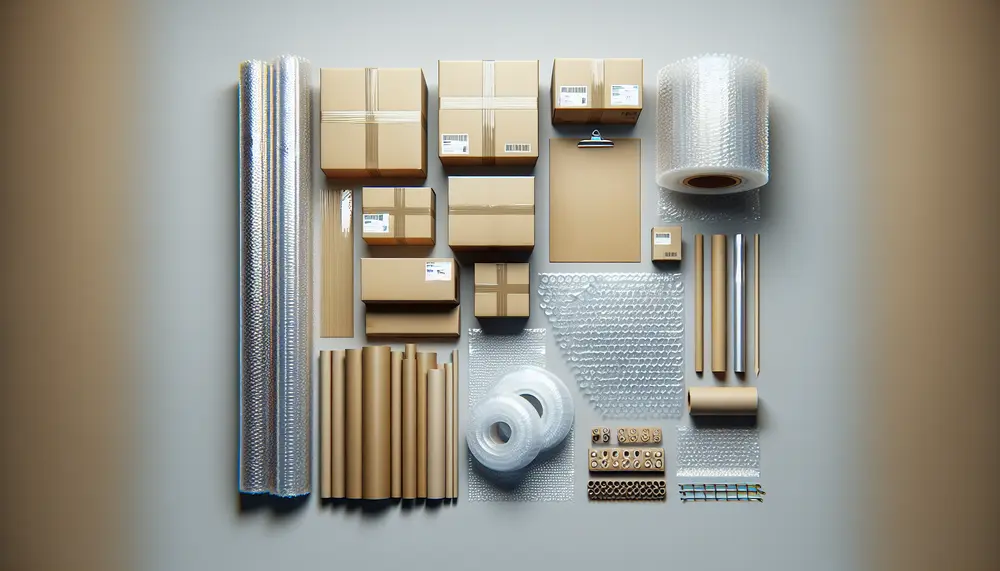
Packaging hazards pose risks to product safety during transportation and storage, stemming from physical damage, environmental conditions, and human error; addressing these requires a comprehensive design strategy. Shipping hazards are categorized into shock damage, vibrations, compression forces, and atmospheric conditions;...
 AI-generated
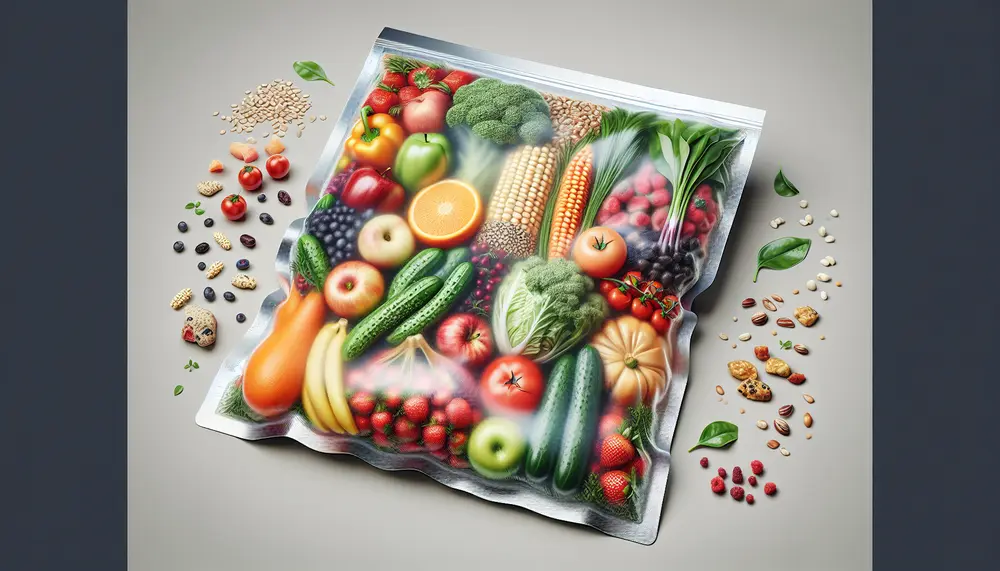
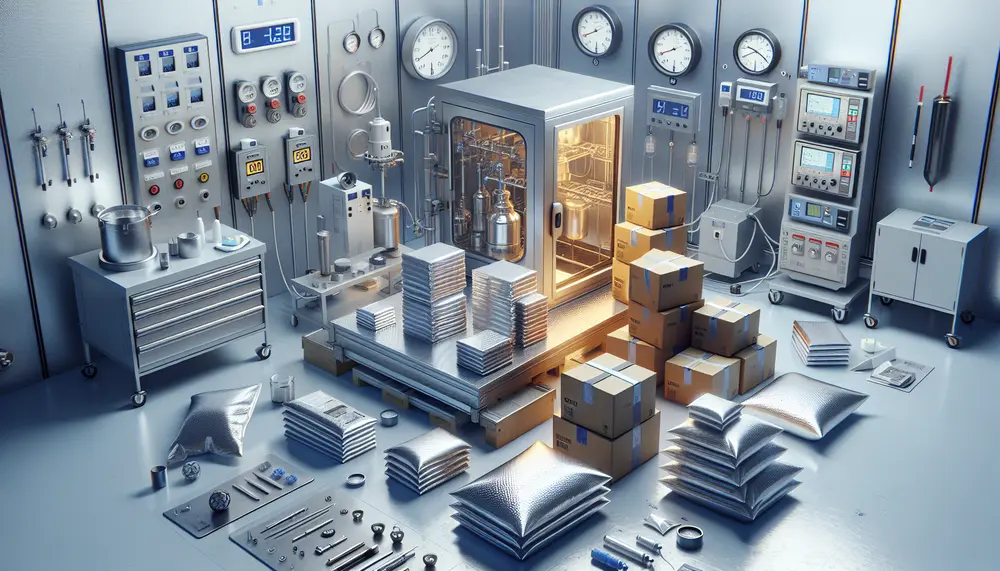
Vacuum packaging extends food shelf life by removing air to prevent microbial growth, oxidation, and moisture changes. It's versatile for various products and involves specialized machinery that creates a low-oxygen environment to protect against spoilage....
 AI-generated
Heat resistant packaging materials are designed to protect contents from high temperatures during transportation or storage, with various forms for different applications and levels of protection. Innovations aim to enhance heat resilience while considering cost-effectiveness and environmental impact. Thermal stability...
 AI-generated
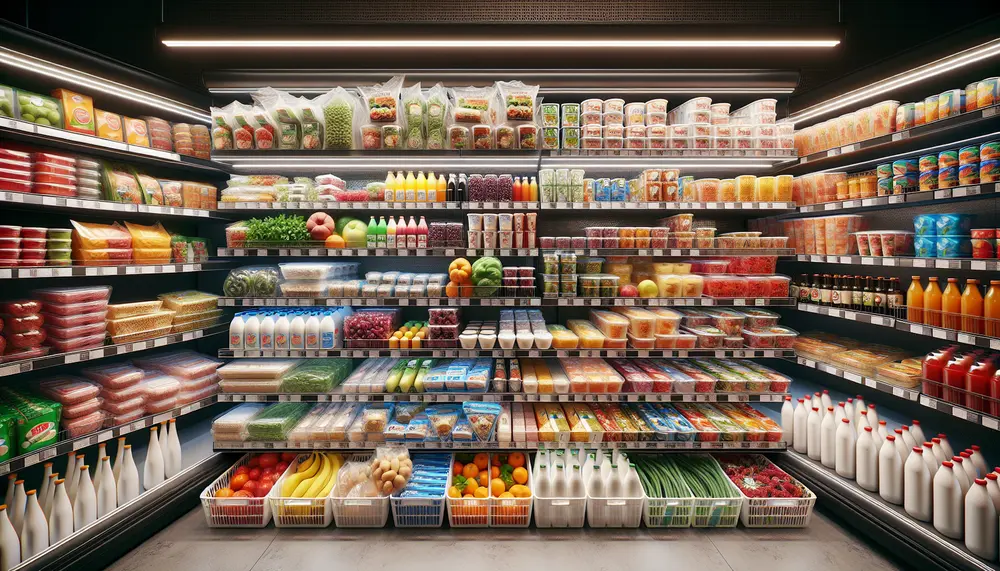
The packaging industry is governed by a complex legal framework aimed at ensuring safety, health, and environmental protection. Key regulations include material restrictions like RoHS and REACH, compostability standards such as BPI certification, and heavy metal limitations under CONEG legislation. Regulatory...
 AI-generated
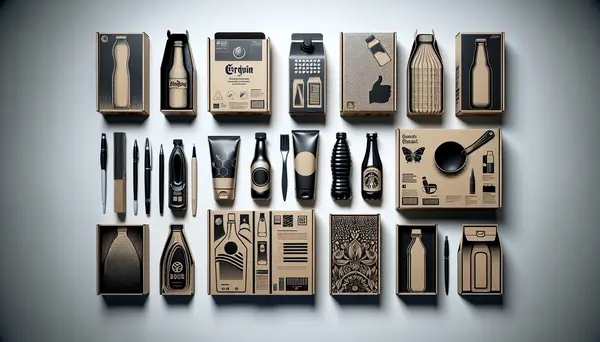
High Density Polyethylene (HDPE) is a crucial material in food packaging due to its durability, chemical resistance, and ability to maintain product integrity under various conditions. It offers advantages such as cost-effectiveness, lightweight nature, customization flexibility, and significant contributions to...
 AI-generated
The article discusses the importance of innovative packaging solutions in today's business landscape, highlighting their role in product differentiation, quality preservation and consumer communication. It explores several game-changing trends such as eco-friendly packaging, smart packaging that offers interactive features like...