
In-mold labeling
In-mold labeling
In-mold Labeling
In-mold labeling (IML) is a modern packaging technique where labels are applied during the molding process. This method integrates the label into the packaging, creating a seamless and durable finish.
How In-mold Labeling Works
In-mold labeling involves placing a pre-printed label inside the mold before injecting the plastic. When the plastic fills the mold, it fuses with the label. This creates a single, unified product.
Benefits of In-mold Labeling
IML offers several advantages:
- Durability: The label is resistant to wear and tear.
- Quality: High-quality graphics and finishes are achievable.
- Efficiency: The process reduces production steps and costs.
Applications of In-mold Labeling
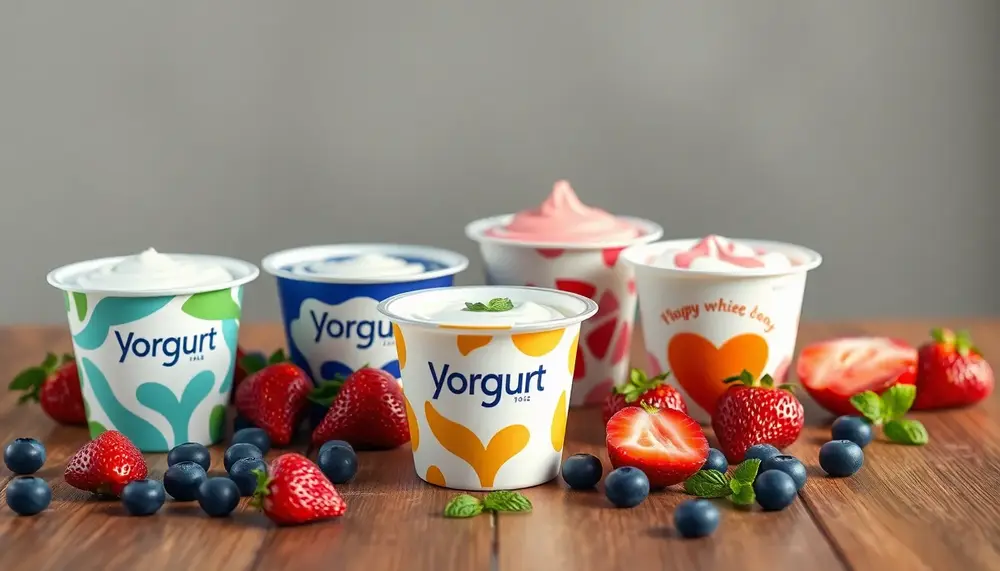
In-mold labeling is used in various industries, including food packaging, automotive parts, and consumer goods. For example, yogurt containers and detergent bottles often use IML for their labels.
Conclusion
In-mold labeling is a valuable technique in the packaging industry. It enhances product durability, improves visual appeal, and streamlines production. Understanding IML can help businesses choose the best packaging solutions.
Blog Posts with the term: In-mold labeling
 AI-generated
Yogurt cup packaging design is vital for influencing consumer perceptions and purchasing decisions, balancing aesthetics with functionality while addressing sustainability concerns. Key factors include market trends, consumer behavior, regulatory compliance, cost efficiency, technological advancements, and material choices that enhance both...