
Table of Contents:
Importance of Packaging Design in Yogurt Cups
The design of yogurt cup packaging plays a crucial role in shaping consumer perceptions and influencing purchasing decisions. In a market saturated with options, effective packaging can be the differentiating factor that sets a brand apart. Here are several key aspects highlighting the importance of packaging design:
- First Impressions Matter:Packaging is often the first point of contact between the consumer and the product. An appealing design can capture attention and spark interest within just a few seconds. This initial interaction can significantly affect whether a consumer chooses to buy the product.
- Brand Identity: The packaging serves as a canvas for a brand’s identity. Unique designs, colors, and logos help create a memorable image that resonates with consumers. For instance, a brand that emphasizes sustainability can utilize eco-friendly materials and earthy tones to convey its values.
- Functionality and Convenience: Beyond aesthetics, packaging must also be functional. Easy-to-open lids, resealable features, and portion control options can enhance user experience. This convenience can lead to repeat purchases, as satisfied customers are likely to return for more.
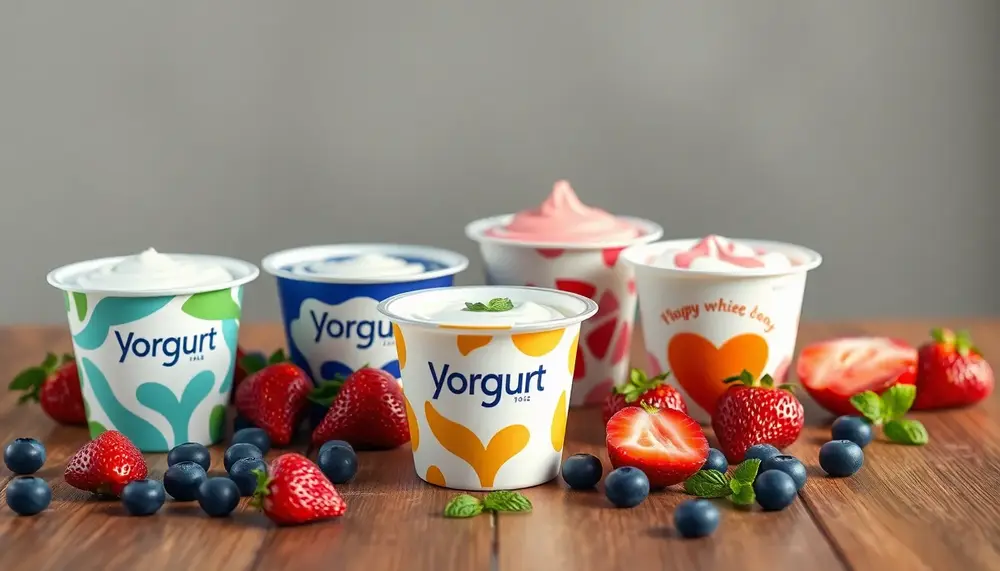
- Visual Appeal: The size and shape of yogurt cups influence how they are perceived on shelves. For example, unique shapes can attract attention, while vibrant colors can evoke feelings of freshness and health. Additionally, innovative designs can help products stand out in a crowded market, making them more likely to be noticed by consumers.
- Communication of Values: Packaging is a powerful tool for communicating a brand’s values, such as health benefits or sustainability efforts. Clear labeling and informative graphics can educate consumers about the product, reinforcing its appeal.
- Sustainability Concerns: With increasing consumer awareness around environmental issues, sustainable packaging has become essential. Brands that prioritize eco-friendly materials and processes can attract environmentally conscious consumers, thus enhancing their market position.
In conclusion, the design of yogurt cup packaging is not merely an aesthetic choice; it’s a strategic decision that impacts consumer behavior, brand perception, and market success. By focusing on innovative and appealing designs, brands can create a lasting impression that drives sales and fosters loyalty.
Key Factors Influencing Yogurt Cup Packaging
When it comes to yogurt cup packaging, several key factors significantly influence the design and functionality. Understanding these factors can lead to more effective packaging solutions that resonate with consumers and stand out on the shelves.
- Market Trends: Staying attuned to current market trends is crucial. For instance, the shift towards health-conscious eating has prompted brands to highlight natural ingredients and nutritional benefits on their packaging. This necessitates clear and attractive labeling that communicates these attributes effectively.
- Consumer Behavior: Analyzing consumer behavior is vital in understanding what drives purchasing decisions. Research indicates that consumers are increasingly drawn to products that reflect their values, such as sustainability and health. Packaging that aligns with these values can enhance brand loyalty.
- Regulatory Requirements: Compliance with food safety and labeling regulations is non-negotiable. Packaging must not only protect the product but also provide essential information about ingredients, allergens, and expiration dates in a clear and concise manner.
- Cost Efficiency: Balancing quality with cost is a continual challenge in packaging design. Manufacturers must consider the cost of materials, production processes, and logistics while ensuring that the packaging meets performance standards. This often requires innovative approaches to materials and design.
- Technological Advancements: The integration of new technologies can enhance packaging efficiency and effectiveness. For example, advancements in printing technology allow for high-quality graphics and labels that capture consumer attention. Additionally, smart packaging solutions, such as QR codes, can provide added value through interactive content.
- Environmental Impact: With growing concerns about environmental sustainability, many consumers prefer packaging that minimizes ecological impact. Brands are increasingly opting for recyclable materials and sustainable production processes, which not only appeal to eco-conscious consumers but can also enhance the brand's reputation.
In summary, the design of yogurt cup packaging is influenced by a complex interplay of market trends, consumer preferences, regulatory requirements, cost considerations, technological advancements, and environmental impact. By addressing these factors thoughtfully, brands can create packaging that not only attracts consumers but also supports their broader business goals.
Advantages and Disadvantages of Innovative Yogurt Cup Packaging Designs
| Advantages | Disadvantages |
|---|---|
| Attracts consumer attention with unique designs | Higher production costs may increase retail prices |
| Enhances brand identity and recognition | Complex designs may complicate recycling efforts |
| Improves user experience through functionality | Innovation might not resonate with all consumer segments |
| Supports sustainability through eco-friendly materials | Potential for increased waste if not properly designed |
| Encourages repeat purchases due to memorable packaging | Regulatory compliance may pose design limitations |
Material Choices: Balancing Sustainability and Functionality
When it comes to yogurt cup packaging, choosing the right materials is essential for balancing sustainability and functionality. The materials selected not only affect the product's shelf life and consumer experience but also play a significant role in the overall environmental impact. Here are some critical considerations regarding material choices:
- Recyclability: Consumers are increasingly conscious of environmental issues, making recyclability a vital factor. Using materials like polypropylene (PP), which is fully recyclable, ensures that packaging can be effectively processed after use. This commitment to sustainability resonates with eco-minded consumers and can enhance brand loyalty.
- Barrier Properties: Yogurt requires packaging that provides adequate barrier properties to protect against moisture, oxygen, and light. Selecting materials that offer these protective qualities is essential to maintaining product freshness and extending shelf life. This can involve using multilayer materials that combine different polymers for optimal performance.
- Cost-Effectiveness: While sustainability is a priority, manufacturers must also consider cost implications. Innovative materials that are both sustainable and affordable need to be sourced. This might involve exploring alternative materials or production methods that reduce costs without compromising quality.
- Consumer Safety: The chosen materials must comply with food safety regulations. It is crucial to ensure that any packaging material is safe for contact with food and free from harmful substances. Brands that prioritize safety can build trust with their consumers.
- Functionality: Packaging must not only be sustainable but also practical. Features such as easy opening, resealability, and durability are essential for enhancing user experience. Consumers appreciate packaging that makes their lives easier, and this functionality can drive repeat purchases.
- Branding Opportunities: The choice of material can also affect branding. For instance, using biodegradable or compostable materials can signal a brand's commitment to sustainability, appealing to environmentally conscious consumers. Attractive finishes and textures can also enhance the visual appeal of the packaging, making it stand out on the shelf.
In summary, material choices in yogurt cup packaging involve a complex balance between sustainability and functionality. By considering factors such as recyclability, barrier properties, cost, safety, and consumer preferences, brands can create packaging solutions that not only protect the product but also resonate with consumers in today's environmentally conscious market.
Size and Shape: Enhancing Visual Appeal
The size and shape of yogurt cups are pivotal in enhancing their visual appeal and overall marketability. Consumers often make quick decisions based on how products look on the shelf, making these design elements crucial for attracting attention. Here are some insights into how size and shape contribute to the effectiveness of yogurt packaging:
- Proportions and Dimensions: The height and diameter of yogurt cups can influence how they are perceived. Taller cups can suggest a premium product, while wider ones may imply value and shareability. Brands must carefully consider these dimensions to align with their target audience's expectations and preferences.
- Unique Shapes: Innovative shapes, such as square or oval designs, can create a memorable identity for the product. These distinctive forms not only stand out on retail shelves but also allow for more efficient use of space during transportation and storage. Moreover, unique shapes can become a recognizable aspect of a brand's identity.
- Stackability: The ability to stack yogurt cups efficiently can optimize shelf space in stores. Designing cups that fit neatly together can enhance the visual presentation and make them more appealing when displayed in multipacks. This functionality also aids in maximizing storage during distribution.
- Light Reflection and Color: The shape of the cup can affect how light interacts with it, impacting visual appeal. For example, a conical shape may reflect light differently than a cylindrical one, creating varied visual effects. Coupled with vibrant colors or graphics, this can significantly enhance shelf presence.
- Consumer Interaction: Ergonomic designs that fit comfortably in hand can improve the consumer's experience. Cups that are easy to hold and pour from can enhance usability, encouraging consumers to choose these products over others that may be less convenient.
- Multipack Configuration: For products sold in multipacks, the overall design must consider how individual cups fit together. A well-thought-out arrangement can create an eye-catching display that draws consumers' attention and reinforces the brand's visual messaging.
In summary, the size and shape of yogurt cups are integral to their visual appeal and market success. By focusing on proportions, unique designs, stackability, and consumer interaction, brands can create packaging that not only stands out but also enhances the overall user experience.
Innovative Decoration Techniques for Yogurt Packaging
Innovative decoration techniques play a vital role in yogurt packaging by enhancing visual appeal and communicating brand identity. These techniques not only attract consumers but also convey essential product information. Here are some noteworthy decoration methods that can elevate yogurt packaging:
- In-Mold Labeling (IML): This technique involves embedding labels within the packaging during the molding process. IML offers high-quality graphics and durability, making it resistant to wear and tear. It allows for vibrant colors and intricate designs, which can significantly enhance shelf appeal.
- Flexographic Printing: A popular choice for packaging, flexographic printing provides flexibility in design and the ability to print on various surfaces. This method is cost-effective for large runs and can produce eye-catching designs, making it suitable for brands looking to make a strong visual impact.
- Dry Offset Printing: This technique is known for its ability to create high-resolution images. It allows for detailed graphics and can be used on curved surfaces, making it ideal for yogurt cups. The result is packaging that looks premium and professional.
- Digital Printing: As technology advances, digital printing has become more prevalent in packaging. It allows for short runs with quick turnaround times and customization. Brands can create limited-edition designs or personalized packaging, which appeals to consumers looking for unique products.
- Textured Finishes: Adding a textured finish to yogurt cups can enhance tactile experience and visual interest. Techniques such as embossing or debossing can create a premium feel, making the product more appealing to consumers who value quality and craftsmanship.
- Eco-Friendly Inks: With sustainability on the rise, using eco-friendly inks for decoration is increasingly important. These inks not only reduce the environmental impact but also align with consumer preferences for greener products. Brands that adopt sustainable practices can improve their image and attract eco-conscious buyers.
In conclusion, innovative decoration techniques are essential for creating yogurt packaging that stands out. By employing methods such as IML, flexographic printing, and digital options, brands can enhance their visual appeal while effectively communicating their message. These techniques help to capture consumer attention and foster brand loyalty in a competitive market.
Consumer Preferences: Trends in Yogurt Packaging
Consumer preferences in yogurt packaging are evolving rapidly, driven by trends that reflect changing lifestyles and values. Understanding these preferences is essential for brands aiming to connect with their target audience effectively. Here are some of the key trends shaping consumer choices in yogurt packaging:
- Health and Wellness Focus: Consumers are increasingly seeking products that promote health and well-being. Packaging that highlights nutritional information, such as low sugar content or added probiotics, is gaining traction. Eye-catching designs that emphasize these health benefits can significantly influence purchasing decisions.
- Convenience and Portability: Busy lifestyles drive the demand for convenient packaging solutions. Single-serve cups and portable multipacks are particularly popular among consumers looking for on-the-go options. Packaging that is easy to carry and consume without additional utensils is highly favored.
- Transparency and Clean Labels: There is a growing preference for transparency in food labeling. Consumers want to know exactly what they are consuming, leading to a demand for clear and honest packaging. Labels that list simple, recognizable ingredients without additives or preservatives resonate well with health-conscious buyers.
- Eco-Friendly Options: Sustainability is becoming a non-negotiable aspect of consumer preferences. Many shoppers actively seek out yogurt packaging made from recyclable or biodegradable materials. Brands that communicate their commitment to sustainability through their packaging can attract environmentally conscious consumers.
- Innovative Designs: Unique and artistic packaging designs are increasingly important in a crowded market. Consumers are drawn to visually appealing packaging that stands out on shelves. Innovative shapes, colors, and graphics can create a memorable impression and encourage trial purchases.
- Customization and Personalization: Many consumers appreciate brands that offer customizable options. Packaging that allows for personalization, such as special edition designs or interactive features (like QR codes leading to recipes or nutritional tips), can enhance consumer engagement and loyalty.
In summary, consumer preferences in yogurt packaging are influenced by a variety of trends, including health consciousness, convenience, transparency, sustainability, innovative design, and personalization. Brands that adapt to these evolving preferences can strengthen their market presence and build lasting relationships with their consumers.
Sustainability Practices in Yogurt Cup Production
Sustainability practices in yogurt cup production have become increasingly important as consumers demand more environmentally responsible products. Brands are now focusing on various strategies to minimize their ecological footprint while maintaining quality and functionality. Here are some key sustainability practices being adopted in yogurt cup production:
- Use of Recycled Materials: Many manufacturers are incorporating recycled plastics into their yogurt cup production. This not only reduces the demand for virgin materials but also helps divert waste from landfills. Using post-consumer recycled (PCR) content in packaging can significantly lower the overall carbon footprint of the product.
- Biodegradable Alternatives: Some brands are exploring biodegradable materials that decompose naturally over time. These materials, such as plant-based plastics, provide an alternative to traditional petroleum-based plastics, aligning with consumer preferences for eco-friendly solutions.
- Energy-Efficient Production Processes: Implementing energy-efficient technologies in the manufacturing process can greatly reduce energy consumption. Techniques such as optimizing production schedules and using renewable energy sources help manufacturers lower their greenhouse gas emissions.
- Water Conservation: Sustainable practices also include reducing water usage in the production process. Brands are adopting technologies that recycle water during manufacturing, ensuring minimal waste and a lower environmental impact.
- Supply Chain Transparency: Brands are increasingly focusing on the sustainability of their entire supply chain. By ensuring that suppliers adhere to eco-friendly practices, manufacturers can enhance their overall sustainability profile. This transparency builds consumer trust and loyalty.
- Consumer Education: Educating consumers about recycling and disposal of packaging is essential. Many brands are now including clear recycling instructions on their packaging to encourage responsible consumer behavior and increase recycling rates.
In conclusion, sustainability practices in yogurt cup production encompass a wide range of strategies, from using recycled and biodegradable materials to enhancing energy efficiency and promoting consumer education. By adopting these practices, brands can meet consumer demand for environmentally responsible products while contributing to a healthier planet.
Creating a Strong Brand Identity through Packaging
Creating a strong brand identity through packaging is essential for yogurt brands aiming to differentiate themselves in a competitive market. The packaging serves as a visual representation of the brand and communicates its core values and personality to consumers. Here are some strategies for leveraging packaging to build a compelling brand identity:
- Consistent Branding Elements: Utilizing consistent colors, logos, and typography across all packaging helps establish brand recognition. Consumers quickly associate specific visual elements with the brand, making it easier for them to identify products on shelves.
- Storytelling Through Design: Packaging can tell a story about the brand’s heritage, values, or production methods. Incorporating elements that reflect the brand’s mission—such as illustrations, narratives, or even QR codes that link to videos—can engage consumers and create an emotional connection.
- Target Audience Alignment: Understanding the target audience is crucial. Packaging should resonate with the preferences and lifestyles of the intended consumers. For instance, a brand targeting health-conscious individuals may opt for clean, minimalist designs emphasizing natural ingredients.
- Limited Edition and Seasonal Packaging: Introducing limited edition or seasonal designs can create excitement around the brand. This strategy not only encourages trial but also reinforces the brand's presence during specific times of the year, fostering a sense of urgency among consumers.
- Interactive Features: Incorporating interactive elements, such as peel-off labels or augmented reality (AR) experiences, can enhance consumer engagement. These features provide additional value and can make the packaging more memorable, encouraging consumers to share their experiences on social media.
- Sustainability Messaging: With the increasing importance of sustainability, brands that communicate their eco-friendly practices through their packaging can strengthen their identity. Highlighting sustainable materials or ethical sourcing practices not only attracts eco-conscious consumers but also positions the brand as a responsible choice.
In conclusion, effective packaging design is a powerful tool for creating a strong brand identity in the yogurt market. By focusing on consistent branding elements, storytelling, audience alignment, interactive features, and sustainability messaging, brands can forge deeper connections with consumers and enhance their market presence.
Maximizing Shelf Impact with Strategic Design
Maximizing shelf impact through strategic design is essential for yogurt brands looking to capture consumer attention in a competitive marketplace. Effective packaging not only attracts eyes but also communicates key brand messages and product attributes. Here are several strategies that can enhance shelf impact:
- Color Psychology: The choice of colors in packaging can evoke emotions and influence consumer behavior. Bright, vibrant colors can create a sense of excitement, while softer tones may convey health and natural qualities. Understanding the psychological effects of color helps brands make informed design choices that resonate with their target audience.
- Clear Product Visibility: Transparent or semi-transparent packaging options allow consumers to see the product inside, reinforcing freshness and quality. This visibility can be a deciding factor for consumers who prefer to know what they are purchasing, particularly in categories like yogurt where texture and appearance are important.
- Unique Shapes and Sizes: Innovative shapes can create visual intrigue on the shelf. For example, unconventional cup shapes or sizes can differentiate a product from standard offerings, making it more memorable. Additionally, varying sizes can cater to different consumer needs, from single servings to family packs.
- High-Quality Graphics: Investing in high-resolution graphics and finishes can elevate the perceived quality of the product. Glossy finishes, matte textures, or even tactile elements can enhance the packaging's appeal. Brands that prioritize visual aesthetics can create a luxurious feel that attracts discerning consumers.
- Informative Labeling: Packaging should effectively communicate key product benefits and features. Highlighting nutritional information, sourcing details, or unique selling points on the label can guide consumer choices. Clear and concise messaging helps consumers make informed decisions quickly, which is crucial in a fast-paced shopping environment.
- Seasonal and Limited Edition Designs: Introducing seasonal or limited-edition packaging can create urgency and excitement around a product. This strategy not only boosts visibility but also encourages consumers to try new flavors or varieties, fostering a sense of novelty and engagement with the brand.
In conclusion, maximizing shelf impact through strategic design involves a combination of color psychology, product visibility, innovative shapes, high-quality graphics, informative labeling, and limited-edition offerings. By implementing these strategies, yogurt brands can significantly enhance their presence on store shelves and attract more consumers.
Customizable Solutions for Unique Market Needs
Customizable solutions for yogurt packaging are increasingly essential for brands aiming to meet unique market needs and consumer demands. By offering tailored packaging options, companies can enhance their product appeal and create a stronger connection with their target audience. Here are several approaches to customization in yogurt packaging:
- Personalized Packaging: Brands can leverage personalization by allowing consumers to choose specific designs, colors, or even labels that reflect their preferences. This approach not only creates a unique consumer experience but also encourages customer loyalty and engagement.
- Flexible Volume Options: Offering yogurt cups in various sizes caters to different consumer needs, from single-serving cups for on-the-go consumption to larger family-sized options. This flexibility allows brands to reach a broader audience and accommodate varying consumption habits.
- Seasonal and Thematic Designs: Customizing packaging for seasonal promotions or special events can generate excitement and attract consumer attention. Limited-time designs that celebrate holidays or local events can encourage trial purchases and enhance brand visibility during peak shopping periods.
- Targeted Marketing Campaigns: Brands can align packaging designs with specific marketing campaigns aimed at particular demographics. For instance, packaging that features trendy graphics or health-focused messages can appeal to younger, health-conscious consumers, while more traditional designs may resonate with older audiences.
- Interactive Elements: Incorporating interactive features, such as QR codes or augmented reality experiences, into packaging can enhance consumer engagement. These elements provide additional information, recipes, or promotions that encourage consumers to interact with the brand beyond the shelf.
- Sustainability Customization: As consumers increasingly prioritize sustainability, brands can offer customizable packaging options that reflect eco-friendly practices. This can include the use of recyclable materials, biodegradable options, or designs that communicate the brand's commitment to environmental responsibility.
In summary, customizable solutions in yogurt packaging not only enhance market differentiation but also foster consumer engagement and loyalty. By providing personalized options, flexible sizes, and interactive features, brands can effectively meet the diverse needs of their customers while reinforcing their market presence.
The Role of Technology in Yogurt Packaging Innovation
The role of technology in yogurt packaging innovation is pivotal for meeting consumer demands and enhancing product appeal. As the packaging industry evolves, various technological advancements are being integrated into the design and production processes. Here are some key technological innovations shaping yogurt packaging:
- Smart Packaging: Technologies such as QR codes and NFC (Near Field Communication) enable interactive packaging experiences. Consumers can scan codes to access product information, recipes, or promotional offers, creating a more engaging and informative experience that can drive brand loyalty.
- Automated Production Techniques: Automation in manufacturing processes has significantly increased efficiency and precision. Robotics and AI-driven systems allow for faster production rates and consistent quality, reducing errors and waste during the packaging process.
- 3D Printing: This technology is being explored for creating prototypes and even final packaging solutions. 3D printing allows for rapid design iterations, enabling brands to test and modify packaging concepts quickly, which can lead to more innovative designs that resonate with consumers.
- Advanced Material Development: Research into new materials, such as bio-based plastics and advanced barrier films, enhances the sustainability and functionality of yogurt packaging. These materials can provide better protection for the product while reducing environmental impact.
- Data Analytics: Companies are utilizing data analytics to understand consumer preferences and optimize packaging designs. By analyzing purchasing behavior and feedback, brands can make informed decisions about design elements that are most appealing to their target audience.
- Environmental Monitoring: Technologies that monitor the condition of the product within its packaging are becoming more prevalent. Sensors can detect changes in temperature or humidity, ensuring that yogurt maintains its freshness and quality throughout its shelf life.
In summary, technology plays a crucial role in driving innovation in yogurt packaging. By leveraging smart packaging, automation, advanced materials, and data analytics, brands can enhance product appeal, improve efficiency, and meet the evolving demands of consumers. These innovations not only contribute to better packaging solutions but also align with sustainability efforts in the industry.
Case Studies: Successful Yogurt Packaging Examples
Case studies provide valuable insights into successful yogurt packaging strategies that have effectively captured consumer attention and driven sales. Here are some noteworthy examples of brands that have excelled in their packaging design:
- Chobani: Known for its commitment to natural ingredients, Chobani utilizes clear, simple packaging that emphasizes transparency. Their use of vibrant colors and bold typography makes their products stand out on shelves. The brand also frequently updates its packaging to reflect seasonal flavors, engaging consumers with limited-edition designs that create excitement and urgency.
- Oikos: Oikos has successfully leveraged its iconic blue packaging to establish a strong brand identity. The yogurt cups feature a sleek, modern design that appeals to health-conscious consumers. Their innovative use of In-Mold Labeling (IML) has allowed for high-quality graphics that effectively communicate the product's attributes, such as its rich and creamy texture.
- Fage: Fage's packaging is designed to highlight its Greek yogurt's authenticity and quality. The dual-compartment cup allows consumers to mix in toppings or flavors at their convenience, enhancing the product's appeal. This innovative packaging not only provides a unique consumer experience but also reinforces Fage's position as a premium yogurt brand.
- Activia: Activia has focused on health benefits in its packaging design, prominently displaying messages about digestive health and probiotics. The use of calming colors and clean designs helps convey a sense of wellness. Additionally, Activia has introduced eco-friendly packaging options, appealing to environmentally conscious consumers while maintaining its health-focused branding.
- Yoplait: Yoplait has embraced vibrant, eye-catching designs that resonate with a younger audience. Their playful graphics and diverse flavor offerings cater to various tastes and preferences. The brand frequently engages consumers through social media campaigns that encourage them to share their yogurt experiences, creating a community around their products.
These case studies illustrate how effective packaging can enhance brand identity, attract consumer attention, and drive sales. By focusing on transparency, innovative designs, and strong messaging, these yogurt brands have successfully navigated the competitive landscape and resonated with their target audiences.
Future Trends in Yogurt Cup Design and Sustainability
As the yogurt industry continues to evolve, future trends in yogurt cup design and sustainability are poised to reshape the market. These trends are driven by consumer preferences, technological advancements, and a growing emphasis on environmental responsibility. Here are some anticipated trends that will likely define the future of yogurt packaging:
- Increased Use of Sustainable Materials: The shift towards eco-friendly materials is expected to accelerate, with more brands adopting biodegradable and compostable packaging solutions. Innovations in plant-based plastics and other sustainable materials will become more prevalent, catering to environmentally conscious consumers.
- Smart Packaging Solutions: The integration of technology into packaging will likely expand, with smart labels and sensors becoming commonplace. These features can provide real-time information about freshness, temperature, and storage conditions, enhancing the consumer experience and ensuring product quality.
- Personalization and Customization: Brands will increasingly focus on offering customizable packaging options. This trend allows consumers to choose flavors, designs, or even nutritional information that resonates with their personal preferences, creating a more engaging and personalized shopping experience.
- Minimalist Design Aesthetics: As consumers gravitate towards simplicity and transparency, minimalist packaging designs that emphasize natural ingredients and clean labeling will become more popular. This trend not only enhances visual appeal but also aligns with the growing demand for authenticity in food products.
- Enhanced Recycling Initiatives: Brands will likely implement more comprehensive recycling programs, encouraging consumers to return packaging for reuse or recycling. Collaborations with recycling organizations and clear consumer education on disposal methods will play a crucial role in promoting sustainability.
- Focus on Functional Packaging: Future yogurt packaging will increasingly prioritize functionality, with designs that facilitate ease of use and portability. Features like resealable lids, portion control, and easy-open designs will cater to busy lifestyles, enhancing consumer satisfaction.
In summary, the future of yogurt cup design and sustainability will be characterized by innovations that prioritize environmental responsibility, consumer engagement, and functionality. By staying attuned to these trends, brands can effectively meet the evolving demands of consumers while contributing to a more sustainable future.
FAQ about Innovative Yogurt Cup Packaging
What are the key factors in designing yogurt cup packaging?
Key factors include functionality, visual appeal, sustainability, consumer preferences, and compliance with regulatory requirements. These elements work together to create packaging that attracts consumers while ensuring product safety and convenience.
How does packaging design influence consumer behavior?
Packaging design captures attention and conveys brand identity. Attractive and functional designs enhance user experience and can lead to repeat purchases, as consumers are more likely to return for products that offer both visual appeal and usability.
What role does sustainability play in yogurt cup packaging?
Sustainability is increasingly important for consumers. Brands are adopting recyclable materials and innovative designs that minimize environmental impact. Eco-friendly packaging helps attract environmentally conscious consumers and can enhance brand loyalty.
What innovative decoration techniques are used in yogurt packaging?
Techniques such as In-Mold Labeling (IML), flexographic printing, and digital printing enhance visual appeal and allow high-quality graphics. Textured finishes and eco-friendly inks are also popular, contributing to both aesthetics and sustainability.
How can packaging sizes and shapes impact marketing success?
The size and shape of yogurt cups influence shelf presence and consumer perception. Unique designs can create a memorable identity, while varying sizes cater to different consumption needs, helping brands appeal to a broader audience.