
Table of Contents:
Sustainable Packaging Solutions for Your Business
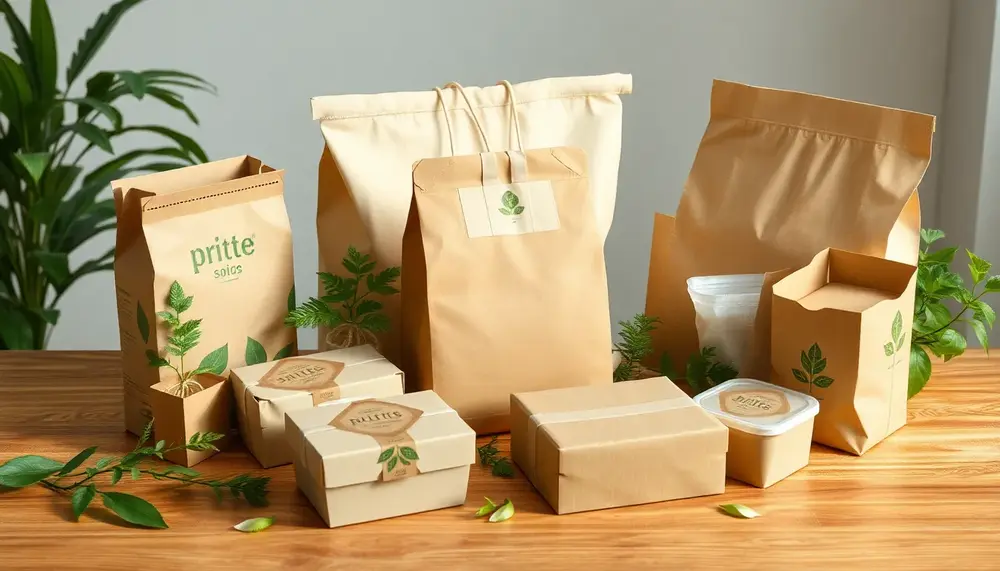
In today's market, adopting packaging ramah lingkungan is not just a trend; it's a necessity for businesses aiming to stand out and make a positive impact. Sustainable packaging solutions can significantly enhance your brand's image while contributing to environmental conservation. These solutions not only reduce waste but also help in cutting costs and meeting consumer demand for eco-friendly practices.
One of the key benefits of implementing packaging ramah lingkungan is the potential for increased customer loyalty. Consumers are becoming increasingly conscious of their purchasing choices, often opting for brands that prioritize sustainability. By choosing eco-friendly packaging options, your business signals its commitment to the environment, which can resonate deeply with your target audience.
Moreover, sustainable packaging can lead to operational efficiencies. For instance, using recyclable materials reduces the amount of waste generated, while compostable options can simplify disposal for consumers. This not only enhances customer experience but also aligns with global sustainability goals.
Investing in packaging ramah lingkungan can also open new market opportunities. As more retailers and distributors seek to partner with eco-conscious brands, your commitment to sustainability can provide a competitive edge. Furthermore, regulatory bodies are increasingly favoring environmentally friendly practices, making it vital for businesses to adapt.
In conclusion, embracing sustainable packaging solutions is a strategic move for any business looking to thrive in a competitive landscape. Not only does it help the planet, but it also positions your brand as a leader in innovation and responsibility. Transitioning to packaging ramah lingkungan is more than just a change; it’s a commitment to a better future.
Eco-Friendly Packaging Options
When it comes to packaging ramah lingkungan, businesses have a variety of eco-friendly options that can significantly reduce their environmental impact. These solutions not only help protect the planet but also enhance your brand's reputation and appeal to a growing demographic of eco-conscious consumers.
Here are some of the most effective eco-friendly packaging options available:
- Biodegradable Packaging: This type of packaging breaks down naturally over time, reducing landfill waste. It’s made from materials that decompose into non-toxic components, making it a popular choice for businesses aiming for sustainability.
- Plant-Based Plastics: Derived from renewable resources, plant-based plastics are an alternative to traditional petroleum-based plastics. They offer similar functionality while reducing reliance on fossil fuels.
- Recyclable Materials: Utilizing recyclable materials in your packaging not only promotes responsible waste management but also encourages customers to participate in recycling programs. This can lead to a positive brand image among environmentally conscious consumers.
- Minimalist Packaging: Reducing the amount of packaging used can significantly decrease waste. Companies can opt for simple designs that require fewer materials, ultimately lowering production costs and environmental impact.
- Reusable Packaging: Offering packaging that can be reused by consumers not only reduces waste but also provides an incentive for repeat purchases. Examples include containers that can be refilled or returned for discounts.
Incorporating these packaging ramah lingkungan options into your business model not only supports sustainability goals but can also attract a loyal customer base that values eco-friendly practices. By making informed choices about packaging, your brand can lead the way in responsible consumerism.
Pros and Cons of Sustainable Packaging Solutions
| Pros | Cons |
|---|---|
| Enhances brand image and appeal to eco-conscious consumers | Initial costs may be higher compared to traditional packaging |
| Increases customer loyalty through sustainability commitment | Limited availability of some sustainable materials |
| Aligns with global sustainability goals and regulations | Consumer education required for proper disposal practices |
| Can lead to operational efficiencies and waste reduction | Potential challenge in maintaining product protection and shelf life |
| Opens new market opportunities with eco-conscious retailers | Need for continuous adaptation to evolving sustainability standards |
Recyclable PE Film for Optimal Protection
The use of recyclable PE film is a cornerstone of packaging ramah lingkungan, offering businesses a robust solution for protecting their products while minimizing environmental impact. This innovative material is designed to provide excellent barrier properties, ensuring that products remain fresh and undamaged during transport and storage.
One of the standout features of recyclable PE film is its versatility. It can be used for various applications, including:
- Food Packaging: Ideal for snacks, frozen foods, and beverages, ensuring safety and freshness.
- Cosmetics and Personal Care: Protects sensitive products from contamination and damage.
- Household Goods: Provides a reliable barrier for cleaning supplies and other household items.
Moreover, this type of packaging aligns with consumer preferences for sustainability. As more customers demand eco-friendly options, businesses that adopt recyclable PE film can enhance their brand image and appeal to a wider audience.
Another significant advantage of using recyclable PE film is its compatibility with existing recycling programs. This allows consumers to easily dispose of the packaging responsibly, contributing to a circular economy where materials are reused rather than discarded. In addition, the film can be produced with a lower carbon footprint compared to traditional plastic options, further supporting your company's sustainability goals.
In summary, recyclable PE film is not just a protective solution; it is a strategic move towards embracing packaging ramah lingkungan. By choosing this option, businesses can achieve optimal protection for their products while actively participating in environmental conservation efforts.
Post-Consumer Recycled (PCR) Film Benefits
The benefits of using Post-Consumer Recycled (PCR) film in your packaging ramah lingkungan strategy are multifaceted, making it a compelling choice for brands committed to sustainability. PCR film is produced from materials that have already been used and discarded, which helps to close the recycling loop and reduce the demand for new raw materials.
Here are some of the key advantages of utilizing PCR film:
- Reduced Resource Consumption: By incorporating approximately 28% less virgin polymer, PCR film significantly lowers the extraction of natural resources required for production.
- Lower Carbon Footprint: Utilizing PCR materials can reduce greenhouse gas emissions by around 15.25%, contributing to a smaller carbon footprint for your products.
- Enhanced Brand Image: Companies that adopt PCR film demonstrate a commitment to environmental responsibility, appealing to consumers who prioritize eco-friendly practices in their purchasing decisions.
- Compliance with Regulations: As environmental regulations become more stringent, using PCR film can help businesses stay compliant while showcasing their sustainability efforts.
- Market Differentiation: Offering products packaged in PCR film can set your brand apart in a crowded marketplace, attracting eco-conscious consumers and potentially leading to increased sales.
Incorporating Post-Consumer Recycled (PCR) film into your packaging solutions is an effective step towards achieving packaging ramah lingkungan goals. It not only helps in conserving resources but also promotes a circular economy, where materials are reused and recycled, fostering a healthier planet for future generations.
Compostable Film: Nourishing the Soil
Compostable film represents a transformative step in the realm of packaging ramah lingkungan, offering an innovative solution that not only protects products but also enriches the soil after disposal. This type of packaging is designed to break down naturally, contributing to a more sustainable waste management system.
Here are some notable benefits of using compostable film:
- Soil Enrichment: When compostable film decomposes, it returns valuable nutrients to the soil, promoting healthier plant growth. This process supports sustainable agriculture by enhancing soil quality.
- Reduced Landfill Waste: Compostable materials significantly decrease the amount of waste sent to landfills. Instead of lingering for decades, these materials break down efficiently, reducing environmental pollution.
- Consumer Appeal: As more consumers seek out eco-friendly options, compostable packaging can enhance your brand’s appeal. It aligns with the values of environmentally conscious shoppers, potentially increasing customer loyalty.
- Compliance with Eco-Friendly Regulations: Many regions are implementing stricter regulations regarding waste and packaging. Using compostable film can help your business stay ahead of these regulations, showcasing a commitment to sustainability.
- Versatile Applications: Compostable film can be used across various sectors, from food packaging to retail, making it a flexible choice for businesses looking to adopt more sustainable practices.
Incorporating compostable film into your packaging strategy not only fulfills the growing demand for sustainable options but also plays a crucial role in fostering a healthier environment. By choosing compostable solutions, your business can contribute to a circular economy, where materials are continuously reused and revitalized.
Environmentally Friendly Printing and Inks
In the realm of packaging ramah lingkungan, the choice of printing methods and inks plays a crucial role in minimizing environmental impact. Environmentally friendly printing and inks not only enhance the aesthetic appeal of your packaging but also contribute to sustainability goals by reducing harmful emissions and waste.
Here are some key aspects of environmentally friendly printing options:
- Water-Based Inks: Unlike traditional solvent-based inks, water-based inks contain fewer volatile organic compounds (VOCs), making them less harmful to both the environment and human health. They are easier to clean up and can significantly reduce air pollution during the printing process.
- Vegetable-Based Inks: These inks are derived from renewable resources and are biodegradable. They provide vibrant colors and are less toxic than petroleum-based inks, offering a safer alternative for both printers and consumers.
- Eco-Friendly Printing Processes: Techniques such as digital printing and UV printing utilize less energy and produce less waste compared to traditional methods. These processes can also allow for on-demand printing, which minimizes overproduction and excess inventory.
- Recyclable and Compostable Inks: Some companies are now offering inks that are designed to be recyclable or compostable, ensuring that they do not hinder the recycling process of the packaging materials.
- Certifications and Standards: Look for inks that are certified by environmental standards such as the Forest Stewardship Council (FSC) or the Sustainable Green Printing Partnership (SGP). These certifications indicate a commitment to sustainable practices in the printing industry.
Incorporating environmentally friendly printing and inks into your packaging ramah lingkungan strategy not only boosts your brand's sustainability credentials but also resonates with consumers who are increasingly prioritizing eco-conscious choices. By making informed decisions in this area, your business can contribute significantly to a greener future.
Solvent-Free Laminating Techniques
Solvent-free laminating techniques are an essential component of packaging ramah lingkungan, offering a sustainable alternative to traditional laminating methods that often rely on harmful solvents. By eliminating solvents from the process, businesses can significantly reduce volatile organic compounds (VOCs) and other harmful emissions, contributing to a cleaner environment.
Here are some advantages of adopting solvent-free laminating techniques:
- Improved Safety: Solvent-free laminating processes minimize health risks for workers by reducing exposure to toxic chemicals. This creates a safer working environment and aligns with health and safety regulations.
- Lower Environmental Impact: Without solvents, the environmental footprint of the laminating process is significantly reduced. This is crucial for companies aiming to enhance their sustainability practices and meet eco-friendly standards.
- Enhanced Adhesion: Solvent-free laminates often provide superior bonding strength, resulting in durable packaging solutions that maintain product integrity over time. This durability is particularly important for perishable goods.
- Compatibility with Recyclable Materials: Many solvent-free laminating options are designed to work seamlessly with recyclable materials, ensuring that the end product can be effectively processed in recycling systems.
- Cost Efficiency: While initial setup costs may vary, solvent-free techniques can lead to long-term savings by reducing waste and improving production efficiency. This can ultimately lower operational costs for businesses.
By integrating solvent-free laminating techniques into your packaging ramah lingkungan strategy, your business can achieve significant sustainability goals while enhancing product quality. This commitment not only benefits the environment but also positions your brand as a leader in responsible manufacturing practices.
Recyclable Zipper Features
The inclusion of recyclable zippers in packaging ramah lingkungan represents a significant advancement in sustainable packaging solutions. These zippers provide functionality and convenience while ensuring that the packaging remains eco-friendly throughout its lifecycle.
Here are some notable features and benefits of using recyclable zippers:
- Material Composition: Recyclable zippers are often made from materials that can be processed in existing recycling systems, allowing consumers to dispose of them responsibly.
- Enhanced Product Integrity: These zippers provide a secure seal, ensuring that products remain fresh and protected from external elements, which is crucial for food and other perishable items.
- Consumer Convenience: The ease of use provided by recyclable zippers enhances the customer experience, making it simple for users to access contents while still being environmentally conscious.
- Compatibility with Various Packaging Types: Recyclable zippers can be integrated into different packaging formats, such as pouches and bags, making them versatile for various industries, including food, cosmetics, and household goods.
- Support for Brand Sustainability Goals: By incorporating recyclable zippers into packaging, brands can effectively communicate their commitment to sustainability, appealing to eco-conscious consumers and enhancing brand loyalty.
In summary, recyclable zippers are an essential element of packaging ramah lingkungan, combining practicality with environmental responsibility. By choosing this option, businesses can improve product packaging while actively participating in the movement towards a more sustainable future.
Recycling-Friendly Labels for Compliance
Recycling-friendly labels are an integral part of packaging ramah lingkungan, ensuring that packaging not only protects products but also complies with environmental standards. These labels are designed to facilitate the recycling process, making it easier for consumers to dispose of packaging responsibly.
Here are some key features and benefits of recycling-friendly labels:
- Material Selection: Labels made from recyclable materials enhance the overall recyclability of the packaging. By choosing paper or film that can be easily processed, businesses can contribute to a more sustainable lifecycle.
- Clear Recycling Instructions: Including clear, easy-to-understand recycling symbols and instructions on labels helps consumers make informed decisions about disposal, promoting participation in recycling programs.
- Adhesive Technology: Utilizing adhesives that are compatible with recycling processes ensures that labels can be removed without contaminating the recyclable materials underneath. This improves the efficiency of recycling operations.
- Reduced Environmental Impact: By prioritizing recyclable labels, brands can minimize their environmental footprint, aligning with consumer expectations for sustainability in product packaging.
- Regulatory Compliance: Many regions have specific regulations regarding packaging waste. Recycling-friendly labels help businesses comply with these regulations, avoiding potential fines and enhancing their reputation as responsible manufacturers.
Incorporating recycling-friendly labels into your packaging ramah lingkungan strategy not only aids in compliance but also reinforces your brand's commitment to sustainability. This approach not only appeals to eco-conscious consumers but also contributes to a cleaner environment.
Waste Reduction Strategies in Packaging
Implementing effective waste reduction strategies is essential for companies seeking to enhance their packaging ramah lingkungan initiatives. By focusing on minimizing waste, businesses can not only reduce their environmental footprint but also achieve cost savings and improve operational efficiency.
Here are some innovative strategies for waste reduction in packaging:
- On-Demand Printing: This approach allows companies to print packaging materials as needed, which significantly reduces excess inventory and waste. By eliminating overproduction, businesses can save on materials and storage costs.
- Right-Sizing Packaging: Adopting smaller or customized packaging reduces material usage and minimizes waste. Tailoring packaging to fit the product precisely ensures that less material is used, while also enhancing the unboxing experience for consumers.
- Returnable Packaging: Implementing a system for returnable packaging encourages customers to send back containers for reuse. This not only cuts down on waste but also fosters customer loyalty and reinforces your brand's commitment to sustainability.
- Supplier Collaboration: Working closely with suppliers to optimize packaging materials can lead to innovative solutions that reduce waste. Joint efforts can identify more sustainable materials and processes that benefit both parties.
- Consumer Education: Educating customers about proper disposal and recycling practices can significantly improve recycling rates and reduce contamination. Clear instructions on packaging can empower consumers to make environmentally friendly choices.
In conclusion, by integrating these waste reduction strategies into your packaging ramah lingkungan practices, your business can not only contribute to a more sustainable future but also enhance its operational efficiency and reduce costs. Adopting these methods is a proactive step towards a greener planet and a more responsible brand image.
Customer Testimonials on Sustainable Packaging
Customer testimonials play a vital role in showcasing the effectiveness and appeal of packaging ramah lingkungan. These real-world experiences provide valuable insights into how sustainable packaging solutions are perceived by consumers and businesses alike.
For instance, Andrew Dunbar from Kakosi Chocolate Company shared his enthusiasm for the environmentally friendly packaging options offered by ePac. He emphasized that switching to sustainable materials not only aligned with the company's values but also resonated with their customer base, leading to increased brand loyalty. Dunbar noted, "Our customers appreciate our commitment to sustainability, and the new packaging has become a talking point among our clientele."
Other businesses have reported similar positive outcomes. Companies that have adopted packaging ramah lingkungan have found that their sales increased as consumers actively seek out products with eco-friendly credentials. Feedback from customers often highlights the importance of sustainability in their purchasing decisions, reinforcing the idea that environmentally responsible packaging can enhance brand perception.
Additionally, many brands have noted improved operational efficiencies. By using sustainable packaging, companies have not only reduced their waste but also optimized their supply chains, resulting in cost savings. As one brand owner put it, "Implementing sustainable packaging solutions has streamlined our processes and made us more competitive in the market."
In summary, customer testimonials regarding packaging ramah lingkungan underscore the growing demand for sustainable solutions. These real experiences illustrate the tangible benefits that come from adopting eco-friendly practices, from increased customer loyalty to enhanced operational efficiency, paving the way for a more sustainable future.
Key Features of Eco-Friendly Packaging
When discussing the key features of eco-friendly packaging, it’s important to highlight aspects that not only contribute to sustainability but also enhance the overall functionality and appeal of the packaging. Here are some essential features that define packaging ramah lingkungan:
- High Barrier Properties: Eco-friendly packaging often includes high barrier films that protect products from moisture, oxygen, and light, ensuring longer shelf life while using sustainable materials.
- Customizable Designs: Many eco-friendly packaging solutions can be tailored to fit specific product needs, allowing brands to maintain their unique identity while adhering to sustainable practices.
- Visual Appeal: Advanced printing techniques, including the use of eco-friendly inks, enhance the aesthetic quality of packaging. This is crucial for attracting consumers while still being environmentally responsible.
- Transparency Options: Some eco-friendly packaging features transparent windows made from recyclable materials, allowing consumers to see the product inside without compromising sustainability.
- Easy-to-Use Closures: Incorporating convenient closure systems, such as resealable zippers, helps maintain product freshness while promoting user-friendliness, which is essential for consumer satisfaction.
These features not only align with the goals of packaging ramah lingkungan but also cater to the evolving demands of consumers who are increasingly looking for sustainable choices. By focusing on these key attributes, brands can effectively communicate their commitment to environmental responsibility while delivering high-quality products.
FAQs on Stand-Up Pouch Options
When considering stand-up pouch options for your packaging ramah lingkungan strategy, you may have several questions about their features, benefits, and applications. Here are some frequently asked questions that can help clarify your understanding of this eco-friendly packaging solution:
- What materials are used in stand-up pouches? Stand-up pouches can be made from a variety of materials, including recyclable films, biodegradable plastics, and laminates that enhance durability while maintaining sustainability. This flexibility allows businesses to choose the best option for their products.
- Are stand-up pouches suitable for all types of products? Yes, stand-up pouches are versatile and can be used for a wide range of products, including snacks, beverages, cosmetics, and pet food. Their design helps maintain product freshness and visibility, making them ideal for many applications.
- How do stand-up pouches contribute to sustainability? These pouches typically use less material than traditional packaging and can be designed with recyclable or compostable components. This reduces waste and supports a more sustainable lifecycle for packaging.
- Can stand-up pouches be printed with eco-friendly inks? Absolutely! Many manufacturers now offer printing options that utilize sustainable inks, ensuring that your branding aligns with your commitment to packaging ramah lingkungan.
- What are the advantages of using stand-up pouches over traditional packaging? Stand-up pouches are lightweight, space-efficient, and often more cost-effective than rigid packaging. They also provide excellent shelf presence, attracting consumers while reducing shipping costs due to their compact design.
By addressing these common questions, businesses can make informed decisions about incorporating stand-up pouches into their packaging ramah lingkungan solutions, ensuring that they meet both consumer expectations and sustainability goals.
Request a Price Quote for Sustainable Packaging
Requesting a price quote for sustainable packaging solutions is a straightforward process that allows businesses to explore the benefits of packaging ramah lingkungan tailored to their specific needs. Understanding the costs involved can help in making informed decisions that align with both budgetary constraints and sustainability goals.
To request a price quote, consider the following steps:
- Define Your Requirements: Clearly outline the type of packaging you need, including dimensions, materials, and any specific features such as recyclable or compostable options. This information will help suppliers provide accurate quotes.
- Research Suppliers: Look for manufacturers or suppliers specializing in sustainable packaging. Evaluate their offerings, sustainability practices, and customer reviews to ensure they align with your business values.
- Contact Suppliers: Reach out to selected suppliers through their websites or customer service lines. Provide them with your defined requirements and request a detailed price quote. Be sure to ask about minimum order quantities and lead times.
- Compare Quotes: Once you receive quotes from different suppliers, compare them not only based on price but also on the quality of materials, sustainability certifications, and additional services such as design support.
- Ask About Customization: Inquire if the supplier offers customization options for your packaging ramah lingkungan needs. Tailored solutions can enhance your brand identity while maintaining eco-friendly practices.
By following these steps, businesses can efficiently navigate the process of requesting price quotes for sustainable packaging. This proactive approach not only supports the transition to packaging ramah lingkungan but also fosters partnerships with suppliers committed to environmental responsibility.
Learn More About Digital Printing and Sustainability
Understanding the connection between digital printing and sustainability is crucial for businesses aiming to adopt packaging ramah lingkungan. Digital printing technologies have evolved significantly, providing innovative solutions that align with eco-friendly practices while meeting the needs of modern consumers.
Here are some key aspects to consider when exploring digital printing and its sustainability benefits:
- Reduced Waste: Digital printing allows for print-on-demand capabilities, significantly minimizing excess inventory and reducing waste. Businesses can produce only what they need, eliminating overproduction and the associated environmental impact.
- Lower Energy Consumption: Compared to traditional printing methods, digital printing typically consumes less energy, contributing to a smaller carbon footprint. This efficiency is vital for companies committed to sustainability.
- Eco-Friendly Inks: Many digital printing processes utilize water-based or vegetable-based inks, which are less harmful to the environment. These inks offer vibrant colors without the toxic chemicals found in conventional inks.
- Customization and Flexibility: Digital printing provides the flexibility to create customized packaging solutions tailored to specific products or marketing campaigns. This adaptability can lead to more effective branding while minimizing the use of resources.
- Improved Recycling Compatibility: Digital printing can be designed to ensure that printed packaging remains compatible with recycling processes, supporting a circular economy and helping consumers dispose of materials responsibly.
By integrating digital printing into your packaging ramah lingkungan strategy, your business can not only enhance its sustainability profile but also meet the evolving expectations of consumers who prioritize eco-friendly practices. Embracing these innovative printing technologies is a proactive step towards a greener future.
FAQs on Eco-Friendly Packaging Solutions
What is eco-friendly packaging?
Eco-friendly packaging refers to packaging solutions that are sustainable and have a minimal impact on the environment. This includes using materials that are recyclable, biodegradable, or made from renewable resources.
How does eco-friendly packaging benefit my business?
Using eco-friendly packaging can enhance your brand image, attract environmentally conscious consumers, reduce waste, and often lead to cost savings over time. It can also help your business comply with increasingly stringent environmental regulations.
What are some common materials used in sustainable packaging?
Common materials for sustainable packaging include recycled paper, biodegradable plastics, plant-based materials, and recyclable films. These materials help reduce the environmental impact associated with traditional packaging.
Can eco-friendly packaging still be visually appealing?
Yes, eco-friendly packaging can be designed to be visually appealing. Advanced printing techniques and sustainable design options allow businesses to create attractive packaging that resonates with consumers without compromising environmental values.
How can I ensure my packaging is fully recyclable?
To ensure your packaging is fully recyclable, use materials that are commonly accepted in recycling programs, avoid mixed materials, and clearly label recycling instructions on your packaging. This helps consumers know how to dispose of it responsibly.