
Mechanical properties
Mechanical properties
Mechanical Properties in Packaging
Understanding mechanical properties is crucial in the packaging industry. These properties determine how a material behaves under various forces. They affect the strength, durability, and flexibility of packaging materials.
What Are Mechanical Properties?
Mechanical properties refer to the physical characteristics of a material when it is subjected to mechanical forces. These forces can include tension, compression, and shear. Key mechanical properties include tensile strength, elasticity, and hardness.
Importance in Packaging
In packaging, mechanical properties ensure that materials can protect products during shipping and handling. For example, a package with high tensile strength can withstand pulling forces without breaking. Elasticity allows materials to return to their original shape after being stretched or compressed.
Common Mechanical Properties in Packaging
Some common mechanical properties in packaging include:
- Tensile Strength: The resistance of a material to breaking under tension.
- Elasticity: The ability of a material to return to its original shape after deformation.
- Hardness: The resistance of a material to surface indentation or scratching.
Examples in Packaging Materials
Different packaging materials have different mechanical properties. For instance, cardboard has good tensile strength and is often used for boxes. Plastic films are highly elastic and used for wrapping products. Metal cans are hard and durable, making them ideal for preserving food.
Conclusion
Knowing the mechanical properties of packaging materials helps in selecting the right material for the job. It ensures that products are well-protected and reach consumers in perfect condition.
Blog Posts with the term: Mechanical properties
 AI-generated
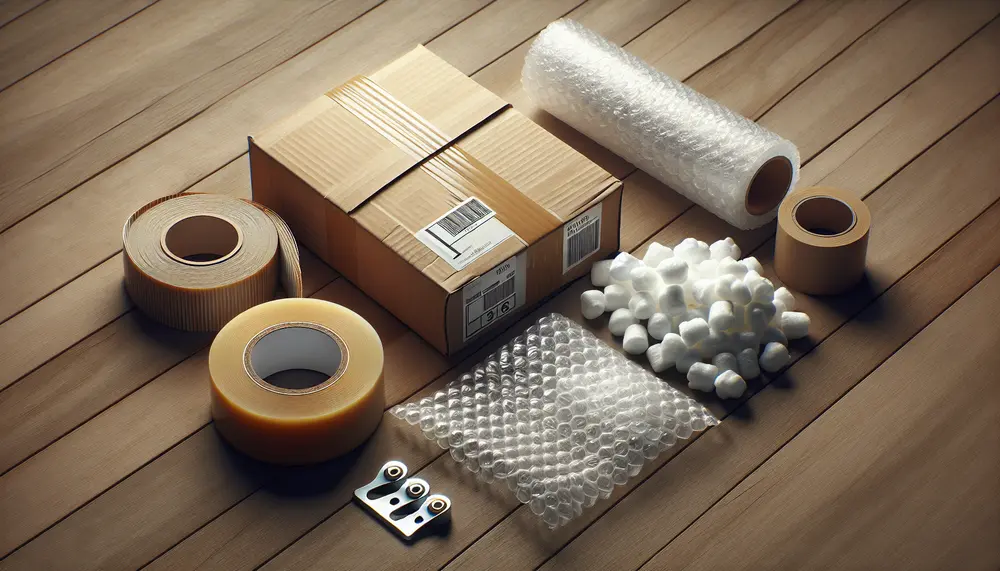
Packaging materials are essential for product protection, information dissemination, and marketing; material selection is based on factors like durability and sustainability. Plastic packaging offers versatility but faces environmental concerns, glass provides purity and recyclability, metal ensures strength and long-term preservation...
 AI-generated
HDPE bags are known for their strength, flexibility, and eco-friendliness due to their robust molecular structure; they resist impacts, chemicals, moisture, and temperature variations while being recyclable. Their durability allows multiple uses and secure transportation of goods with less environmental...
 AI-generated
Packaging nylon bags are valued for their strength, durability, and versatility in protecting products from damage and contamination across various industries. However, they pose environmental concerns due to non-biodegradability and potential release of harmful chemicals if improperly disposed of....
 AI-generated
Bio bags are eco-friendly alternatives to traditional plastic, made from renewable materials like corn starch and decompose under composting conditions. They reduce environmental impact if disposed of correctly but require specific conditions for proper decomposition. Bio bags consist mainly of bioplastics...
 AI-generated
Composite materials are transforming the packaging industry by providing improved performance and durability, with their unique composition allowing for tailored properties to meet specific needs. Innovations in technology like smart composites, nanocomposites, and 3D printing are further advancing these materials'...
 AI-generated
Material and Technology verstehen und nutzen. Umfassender Guide mit Experten-Tipps und Praxis-Wissen....
 AI-generated
Sustainability and Environment verstehen und nutzen. Umfassender Guide mit Experten-Tipps und Praxis-Wissen....
 AI-generated
Research and Development verstehen und nutzen. Umfassender Guide mit Experten-Tipps und Praxis-Wissen....
 AI-generated
Pharmaceutical packaging is forecast to grow strongly through 2035, but estimates vary by scope; analysts should separate revenue, units, materials, and packaging layers to distinguish demand from pricing and premiumization....