
Table of Contents:
Definition and Importance of the Pharmaceutical Packaging Department
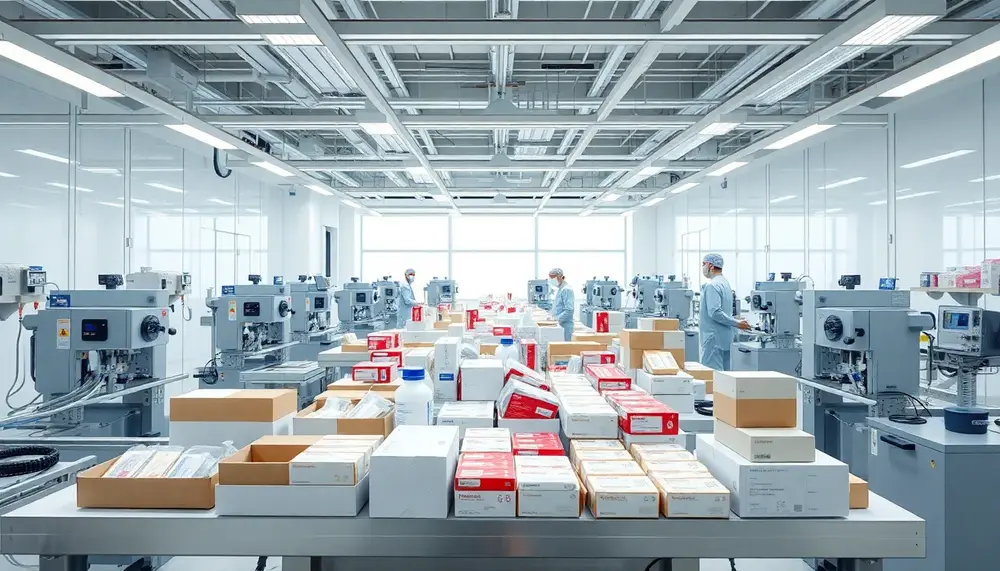
The pharmaceutical packaging department plays a crucial role in the healthcare industry, ensuring that medications are delivered safely and effectively to patients. This department is responsible for the entire packaging process, which includes selecting appropriate materials, designing packaging solutions, and adhering to regulatory requirements.
Definition and Importance: The pharmaceutical packaging department encompasses all activities related to the packaging of pharmaceutical products. This includes primary packaging, which directly holds the medication, as well as secondary and tertiary packaging for storage and distribution. The significance of this department cannot be overstated; it not only protects the integrity and stability of the products but also ensures compliance with stringent regulations set by authorities like the FDA.
Moreover, the packaging serves as the first point of interaction between the product and the consumer, making it essential for the packaging to provide clear information and instructions. This helps in minimizing medication errors and enhances patient safety.
The department is also pivotal in optimizing the packaging process to reduce waste and improve efficiency. By incorporating innovative materials and technologies, such as tamper-evident features and smart packaging solutions, the pharmaceutical packaging department can enhance product security and traceability.
In summary, the pharmaceutical packaging department is not just about aesthetics; it’s a vital component that safeguards public health by ensuring that medications are packaged correctly, remain uncontaminated, and are delivered in a manner that supports patient safety and compliance.
Key Responsibilities of the Pharmaceutical Packaging Department
The pharmaceutical packaging department has several key responsibilities that are critical to ensuring the safety, efficacy, and compliance of pharmaceutical products. These responsibilities encompass a range of functions that support both the manufacturing process and the ultimate delivery of medications to patients.
- Design and Development: The department is tasked with designing packaging that meets the specific needs of different products. This includes selecting materials that protect the medication from environmental factors and choosing designs that facilitate ease of use for patients and healthcare professionals.
- Regulatory Compliance: Adhering to strict regulations is a core responsibility. The department must ensure that all packaging meets the guidelines established by regulatory bodies such as the FDA. This includes proper labeling, safety features, and documentation.
- Quality Control: Implementing rigorous quality control measures is essential. The department conducts tests and inspections to verify that the packaging meets safety and performance standards, thus preventing contamination or degradation of the product.
- Supply Chain Coordination: Effective communication with suppliers and manufacturers is crucial. The department coordinates with various stakeholders to ensure timely delivery of packaging materials and manage inventory levels efficiently.
- Innovation and Sustainability: The department is increasingly focused on incorporating sustainable practices into packaging solutions. This involves researching and implementing eco-friendly materials and processes that reduce environmental impact.
- Training and Education: Providing training for staff on packaging processes, safety protocols, and regulatory requirements is another important responsibility. This ensures that everyone involved in the packaging process is well-informed and compliant.
In summary, the pharmaceutical packaging department is a vital part of the healthcare industry, ensuring that products are packaged correctly to maintain their integrity, comply with regulations, and enhance patient safety. Its multifaceted role highlights the importance of packaging in the overall pharmaceutical supply chain.
Advantages and Disadvantages of the Pharmaceutical Packaging Department
| Advantages | Disadvantages |
|---|---|
| Ensures product safety and integrity through proper packaging. | High compliance costs due to stringent regulations. |
| Enhances patient adherence with clear labeling and instructions. | Material sourcing can be limited and costly. |
| Improves product traceability and security with advanced technologies. | Complex integration of new technologies into existing systems. |
| Supports sustainability efforts through the use of eco-friendly materials. | Challenging to keep up with changing regulations and consumer expectations. |
| Facilitates efficient supply chain coordination and communication. | Requires continuous training for staff to maintain compliance. |
Regulatory Compliance and Quality Assurance
Regulatory compliance and quality assurance are fundamental components of the pharmaceutical packaging department's responsibilities. Ensuring that packaging meets stringent regulatory standards is crucial for maintaining product integrity and consumer safety.
Regulatory Compliance: The packaging department must navigate a complex landscape of regulations set forth by organizations such as the FDA, EMA, and other global regulatory bodies. These regulations cover various aspects of packaging, including:
- Labeling Requirements: Accurate and clear labeling is vital. This includes essential information such as dosage instructions, expiration dates, and safety warnings, which must comply with regulatory guidelines.
- Material Safety: Packaging materials must be tested for safety and compatibility with the pharmaceutical products they contain. Regulations dictate that materials should not leach harmful substances into the medication.
- Traceability: Compliance with traceability regulations ensures that each packaged product can be tracked throughout the supply chain, which is crucial in the event of a recall.
Quality Assurance: Quality assurance (QA) processes are integral to the packaging department, aimed at preventing defects and ensuring that every package meets predefined quality standards. Key elements of QA in pharmaceutical packaging include:
- Standard Operating Procedures (SOPs): SOPs are established to outline every step of the packaging process, ensuring consistency and compliance with industry standards.
- Regular Audits: Conducting internal and external audits helps identify areas for improvement and ensures adherence to regulatory requirements and company policies.
- Training Programs: Continuous training for staff on compliance and quality standards is essential. This helps maintain a knowledgeable workforce that understands the importance of their role in ensuring product safety.
In conclusion, the pharmaceutical packaging department plays a pivotal role in regulatory compliance and quality assurance. By adhering to strict regulations and implementing robust quality control measures, this department safeguards the health and safety of patients while enhancing the overall reliability of pharmaceutical products.
Packaging Process Optimization Strategies
Optimizing the packaging process in the pharmaceutical industry is essential for enhancing efficiency, reducing costs, and ensuring compliance with regulatory standards. Several strategies can be implemented to achieve these goals, each focusing on specific aspects of the packaging workflow.
- Market Research and Consumer Insights: Conducting thorough market research helps identify the needs and preferences of healthcare providers and patients. Understanding these insights allows the packaging department to tailor solutions that enhance usability and improve patient adherence.
- Automation of Packaging Processes: Implementing automated systems can significantly streamline packaging operations. Automated machinery reduces manual errors, increases speed, and allows for consistent quality. Additionally, automation can free up human resources for more complex tasks that require critical thinking.
- Material Innovation: Utilizing advanced materials that are both high-quality and compliant can lead to significant improvements in packaging efficiency. For instance, lightweight materials can decrease shipping costs, while sustainable options can enhance brand reputation and meet environmental regulations.
- Process Validation: Validating the packaging processes according to FDA and DSCSA standards is vital. This ensures that all procedures are effective and that products are consistently packaged in a manner that meets safety and quality requirements.
- Data Analytics: Employing data analytics tools can provide insights into production metrics, allowing for real-time monitoring and adjustments. This data-driven approach can identify bottlenecks and optimize resource allocation across the packaging line.
- Feedback Loops: Establishing feedback mechanisms with end-users, including pharmacists and healthcare professionals, can provide valuable insights for continuous improvement. Regularly soliciting feedback allows the packaging department to adapt and enhance its processes based on practical experiences.
By implementing these optimization strategies, pharmaceutical packaging departments can not only improve operational efficiency but also enhance the overall quality and safety of pharmaceutical products. This proactive approach ultimately contributes to better health outcomes and greater patient satisfaction.
Material Selection and Sustainability Practices
Material selection and sustainability practices are increasingly becoming essential considerations in the pharmaceutical packaging industry. As the demand for environmentally responsible practices grows, packaging departments must focus on choosing materials that not only protect the product but also minimize environmental impact.
Material Selection: The choice of packaging materials significantly influences the overall effectiveness of pharmaceutical packaging. Key factors to consider include:
- Compatibility: The selected materials must be compatible with the pharmaceutical products to prevent any chemical interactions that could compromise the medication's integrity.
- Barrier Properties: Effective barrier properties are crucial to protect against moisture, oxygen, and light, which can affect the stability and shelf life of the medication.
- Recyclability: Utilizing recyclable materials helps reduce the carbon footprint. Materials such as certain plastics and glass can be repurposed, aligning with sustainability goals.
- Cost Efficiency: While sustainability is important, cost-effectiveness cannot be overlooked. Packaging departments must balance quality and sustainability with budgetary constraints.
Sustainability Practices: Implementing sustainable practices in the packaging process can significantly reduce environmental impact. Some effective strategies include:
- Source Reduction: Minimizing the amount of material used in packaging not only cuts costs but also reduces waste. Lightweight designs and compact packaging can contribute to this goal.
- Eco-Friendly Materials: Opting for biodegradable or compostable materials can help decrease the long-term environmental impact. Innovations in plant-based plastics and sustainable paper products are examples of this trend.
- Energy Efficiency: Streamlining production processes to consume less energy contributes to sustainability. This can include using energy-efficient machinery and optimizing workflow to reduce energy consumption.
- Supply Chain Collaboration: Working closely with suppliers who prioritize sustainable practices can enhance the overall sustainability of the packaging process. This includes sourcing materials that have lower environmental impacts.
In conclusion, the integration of careful material selection and sustainable practices within the pharmaceutical packaging department is vital for meeting regulatory demands and addressing consumer expectations. By focusing on these aspects, the industry can contribute to a healthier planet while ensuring the safety and efficacy of pharmaceutical products.
Role of Technology in Pharmaceutical Packaging
Technology plays a transformative role in the pharmaceutical packaging industry, enhancing efficiency, safety, and compliance. The integration of advanced technologies not only streamlines processes but also ensures that packaging meets the highest standards of quality and security.
Automation: Automation in packaging processes allows for greater precision and speed. Automated systems can handle tasks such as filling, sealing, and labeling, significantly reducing the risk of human error. This leads to increased productivity and consistency in packaging quality.
Smart Packaging: The advent of smart packaging technologies, including RFID (Radio-Frequency Identification) and QR codes, facilitates real-time tracking of pharmaceutical products. This technology enhances supply chain visibility, allowing manufacturers and distributors to monitor the movement of products throughout the distribution network. Additionally, it supports compliance with regulatory requirements by ensuring accurate data collection and reporting.
Data Analytics: Utilizing data analytics tools enables packaging departments to gather insights from various stages of the packaging process. This data can highlight inefficiencies, predict maintenance needs, and enhance decision-making processes. By analyzing trends and patterns, companies can optimize their operations and improve overall performance.
Environmental Monitoring: Advanced monitoring technologies allow for real-time observation of environmental conditions during the packaging process. This is particularly important for sensitive pharmaceuticals that require specific temperature and humidity levels. By ensuring optimal conditions, manufacturers can safeguard product integrity and maintain compliance with quality standards.
Sustainable Innovations: Technology is also driving the development of sustainable packaging solutions. Innovations in biodegradable materials and eco-friendly processes are becoming increasingly prevalent, aligning with global sustainability goals. These advancements not only reduce environmental impact but also cater to the growing demand for responsible packaging options from consumers.
In summary, the role of technology in pharmaceutical packaging is pivotal. From automation and smart packaging to data analytics and sustainability innovations, technology enhances the efficiency, safety, and compliance of packaging processes. Embracing these advancements positions companies to meet evolving industry demands and consumer expectations effectively.
Collaboration with Other Departments
Collaboration with other departments is essential for the pharmaceutical packaging department to function effectively and efficiently. This interdisciplinary approach ensures that all aspects of packaging align with the overall goals of the organization, enhancing product quality and safety.
Cross-Functional Communication: Establishing open lines of communication between the packaging department and other key areas such as R&D, manufacturing, and quality assurance is vital. Regular meetings and updates can facilitate the sharing of insights and feedback, leading to improved packaging solutions that meet the needs of all stakeholders.
Integration with Research and Development (R&D): Close collaboration with R&D allows the packaging department to understand the specific requirements of new products. This includes considerations such as stability, compatibility, and usability. Early involvement in the development phase can lead to innovative packaging designs that enhance product performance and user experience.
Partnership with Manufacturing: The packaging process must align with manufacturing capabilities to optimize production efficiency. By working closely with manufacturing teams, the packaging department can identify potential bottlenecks and adjust packaging designs or materials accordingly, ensuring seamless integration into the production line.
Quality Assurance Collaboration: Quality assurance teams play a critical role in maintaining compliance with regulatory standards. By collaborating with these teams, the packaging department can ensure that all packaging meets necessary safety and quality benchmarks. This partnership helps in implementing robust quality control measures and addressing any issues promptly.
Logistics and Supply Chain Coordination: Effective packaging also requires close cooperation with logistics and supply chain departments. Understanding shipping requirements and distribution challenges can inform packaging design choices that enhance product protection during transit while also optimizing space and reducing costs.
Feedback Mechanisms: Establishing structured feedback loops with other departments can drive continuous improvement. Gathering input from sales and customer service teams can provide valuable insights into customer preferences and pain points, enabling the packaging department to make informed adjustments that enhance user satisfaction.
In conclusion, collaboration with other departments is not just beneficial but essential for the success of the pharmaceutical packaging department. By fostering teamwork and open communication, organizations can create packaging solutions that are efficient, compliant, and tailored to meet the needs of both the industry and consumers.
Challenges Faced by the Pharmaceutical Packaging Department
The pharmaceutical packaging department faces a variety of challenges that can impact its efficiency, compliance, and overall effectiveness. Addressing these challenges is critical for maintaining the integrity of pharmaceutical products and ensuring patient safety.
- Regulatory Changes: The landscape of regulations governing pharmaceutical packaging is constantly evolving. Keeping up with new guidelines from regulatory agencies can be daunting. This necessitates continuous training and adaptation to ensure compliance, which can strain resources.
- Supply Chain Disruptions: Global events, such as pandemics or geopolitical tensions, can disrupt the supply chain for packaging materials. These disruptions can lead to shortages, increased costs, and delays in production, forcing packaging departments to find alternative solutions quickly.
- Material Limitations: The availability of suitable packaging materials that meet both performance and sustainability criteria can be a challenge. Sourcing materials that comply with regulations while also being environmentally friendly may limit options and increase costs.
- Technological Integration: While technology offers numerous benefits, integrating new packaging technologies into existing systems can be complex. Staff must be trained to use new equipment and software, which can lead to temporary disruptions in the workflow during the transition period.
- Cost Management: Balancing the costs associated with high-quality packaging materials and processes while adhering to budget constraints is an ongoing challenge. Packaging departments must continually seek innovative solutions that reduce costs without compromising quality.
- Consumer Expectations: With increasing consumer awareness and demand for transparency, packaging must not only be functional but also appealing and informative. Meeting these expectations while ensuring compliance and safety can complicate the design process.
- Product Complexity: As pharmaceutical products become more complex, including personalized medications and biologics, the packaging requirements also evolve. This complexity can pose challenges in ensuring that packaging effectively protects and delivers the product.
In summary, the pharmaceutical packaging department encounters numerous challenges that require proactive strategies and solutions. By effectively addressing these issues, the department can ensure the safe delivery of pharmaceutical products while maintaining compliance and meeting market demands.
Future Trends in Pharmaceutical Packaging
As the pharmaceutical industry continues to evolve, several future trends are emerging in pharmaceutical packaging that will shape the landscape for years to come. These trends not only focus on enhancing product safety and efficacy but also emphasize sustainability and technological advancements.
- Personalized Packaging: With the rise of personalized medicine, packaging solutions will need to adapt to accommodate individualized dosages and formulations. This trend will require packaging that is flexible and capable of handling smaller batch sizes while maintaining compliance with safety standards.
- Increased Use of Sustainable Materials: The push for sustainability will drive the development and adoption of eco-friendly packaging materials. Biodegradable and recyclable materials will become more prevalent, reflecting the industry's commitment to reducing environmental impact.
- Smart Packaging Innovations: The integration of smart technologies will enhance packaging functionality. Features such as temperature indicators, expiration alerts, and real-time tracking will improve product safety and provide valuable data for manufacturers and consumers alike.
- Digital Transformation: The pharmaceutical packaging sector will increasingly leverage digital tools to streamline operations and improve efficiency. Technologies such as cloud computing and blockchain will facilitate better data management and traceability, enhancing supply chain transparency.
- Advanced Serialization Techniques: To combat counterfeiting and enhance product security, serialization will become more sophisticated. Packaging will incorporate advanced printing technologies that allow for unique identifiers to be embedded in the packaging, ensuring authenticity.
- Enhanced User Experience: Future packaging designs will prioritize user-friendliness, focusing on ease of opening, clear labeling, and intuitive features that enhance the overall experience for patients and healthcare providers. This will help to improve adherence and patient outcomes.
- Regulatory Adaptation: As regulations evolve, packaging solutions will need to remain agile and compliant. Ongoing collaboration with regulatory bodies will be crucial to ensure that packaging meets new standards, especially concerning safety and sustainability.
In conclusion, the future of pharmaceutical packaging is set to be influenced by personalization, sustainability, technology, and regulatory compliance. Embracing these trends will not only improve packaging efficiency but also enhance patient safety and satisfaction, ultimately contributing to better health outcomes.
Case Studies of Successful Packaging Solutions
Case studies of successful packaging solutions provide valuable insights into innovative practices and effective strategies employed by pharmaceutical companies. These examples highlight how specific challenges were addressed through creative packaging solutions, ultimately improving safety, efficiency, and customer satisfaction.
Case Study 1: Biologics Packaging Innovation
A leading biopharmaceutical company faced the challenge of packaging sensitive biologics that require strict temperature control. The solution was the development of a new insulated shipping container that integrates phase change materials (PCMs). These materials maintain the required temperature range during transit, reducing the risk of product degradation. The packaging design included clear labeling and QR codes for tracking, enhancing both compliance and usability.
Case Study 2: Sustainable Packaging Transformation
Another pharmaceutical manufacturer aimed to reduce its environmental footprint by transitioning to sustainable packaging. The company implemented a strategy to replace traditional plastic with biodegradable materials derived from renewable sources. This initiative not only met regulatory requirements but also resonated with environmentally conscious consumers. The new packaging design received positive feedback for its reduced environmental impact while maintaining product integrity.
Case Study 3: Smart Packaging Implementation
A global pharmaceutical firm introduced smart packaging solutions for its line of prescription medications. By integrating RFID technology into the packaging, the company was able to enhance traceability and combat counterfeiting. Patients received notifications via a mobile app, reminding them of dosages and refill times. This innovation led to increased adherence rates and improved patient outcomes, showcasing the potential of technology in packaging.
Case Study 4: Customizable Packaging for Patient-Centric Solutions
A healthcare company recognized the need for customizable packaging that caters to specific patient needs, particularly for geriatric patients requiring multiple medications. They developed a modular packaging system that allows healthcare providers to customize the dosage and combination of medications in a single package. This solution simplified medication management for patients and caregivers, reducing the chances of medication errors.
Conclusion
These case studies illustrate the importance of innovation and collaboration in the pharmaceutical packaging industry. By addressing specific challenges through tailored solutions, companies can enhance product safety, improve patient compliance, and contribute to sustainability efforts. The continuous evolution of packaging solutions will play a crucial role in meeting the demands of the ever-changing pharmaceutical landscape.
FAQ about Pharmaceutical Packaging Department
What are the main responsibilities of the pharmaceutical packaging department?
The pharmaceutical packaging department is responsible for designing packaging, ensuring regulatory compliance, implementing quality control measures, coordinating supply chain processes, and integrating sustainable practices.
How does the department ensure regulatory compliance?
The department ensures compliance by adhering to guidelines established by regulatory bodies such as the FDA, which include proper labeling, material safety, and maintaining detailed documentation.
What role does innovation play in pharmaceutical packaging?
Innovation is crucial as it helps the department improve packaging efficiency, enhances product security with technologies like smart packaging, and addresses sustainability challenges by using eco-friendly materials.
How does the packaging department collaborate with other departments?
Collaboration involves communication with R&D for product requirements, integration with manufacturing to ensure efficiency, and partnership with quality assurance to maintain compliance throughout the packaging process.
What are the main challenges faced by the pharmaceutical packaging department?
Challenges include keeping up with regulatory changes, managing supply chain disruptions, sourcing suitable materials, integrating new technologies, and meeting consumer expectations for transparency and sustainability.