
Table of Contents:
Pharmaceutical Packaging Workers: An Overview
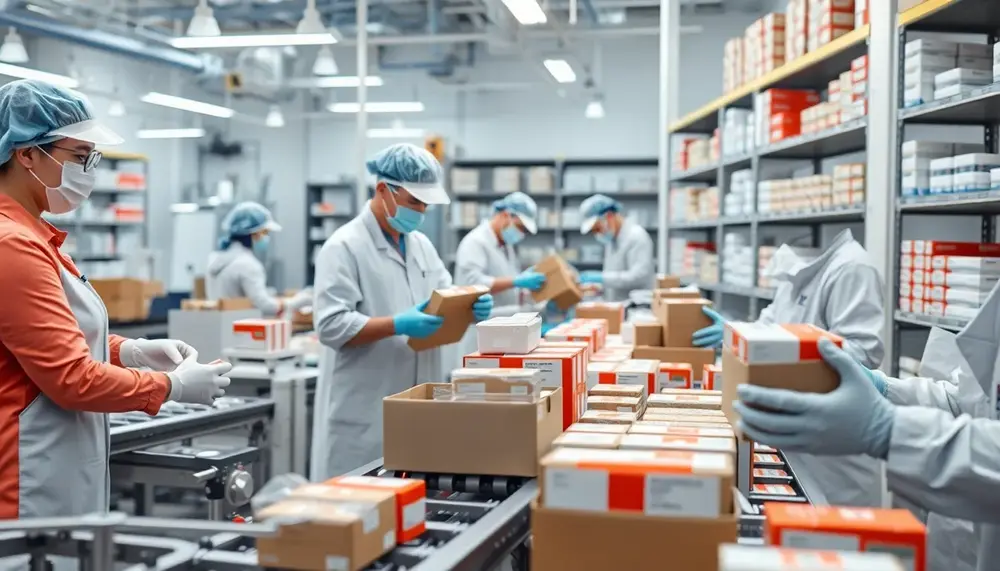
Pharmaceutical packaging workers play a crucial role in the healthcare industry, ensuring that medications are safely and efficiently packaged for distribution. Their responsibilities extend far beyond merely placing products into boxes; they are integral to maintaining the integrity and quality of pharmaceuticals throughout the supply chain.
In essence, these workers are the guardians of pharmaceutical safety. They are responsible for adhering to strict guidelines that govern how medications should be packaged, labeled, and stored. This includes understanding Good Manufacturing Practices (GMP), which are essential for compliance with regulatory bodies like the FDA. Their work directly impacts patient safety, as improper packaging can lead to contamination or misuse of medications.
Moreover, pharmaceutical packaging workers often collaborate with various departments, including quality control and production, to ensure that the packaging process aligns with the overall manufacturing goals. They must be detail-oriented, as even minor errors in packaging can have significant consequences.
With the rise of technology in the industry, the role of these workers is evolving. Automation and advanced machinery are becoming commonplace, but the human element remains irreplaceable. Workers need to adapt to these changes, learning how to operate new equipment and understand software that tracks packaging processes.
Overall, the role of pharmaceutical packaging workers is vital for the health of the public. Their expertise and diligence ensure that medications reach pharmacies and hospitals in optimal condition, ready to aid those in need.
Key Responsibilities of Pharmaceutical Packaging Workers
Pharmaceutical packaging workers hold several key responsibilities that are essential to the integrity and safety of pharmaceutical products. Their tasks are multifaceted and require a high level of attention to detail to ensure compliance with industry standards.
- Packaging Operations: Workers are responsible for setting up and operating packaging machinery. This includes monitoring the packaging process to ensure that everything runs smoothly and efficiently.
- Quality Control: They conduct regular inspections of packaging materials and finished products. This ensures that all items meet quality standards and are free from defects.
- Labeling: Accurate labeling is critical in pharmaceuticals. Workers must ensure that all products are labeled correctly, providing essential information such as dosage, expiration date, and handling instructions.
- Documentation: Maintaining thorough records of packaging activities is essential. Workers document batch numbers, quantities, and any deviations from standard procedures to ensure traceability and compliance.
- Collaboration: Pharmaceutical packaging workers often collaborate with other departments, such as production and quality assurance, to resolve any issues that may arise during the packaging process.
- Compliance: Adhering to Good Manufacturing Practices (GMP) is a fundamental responsibility. Workers must ensure that all activities comply with regulatory standards to maintain product safety and efficacy.
- Equipment Maintenance: Regular maintenance and troubleshooting of packaging equipment are part of their duties. This ensures that machinery operates efficiently and minimizes downtime.
These responsibilities highlight the importance of pharmaceutical packaging workers in ensuring that medications are packaged safely and effectively, ultimately contributing to patient safety and public health.
Pros and Cons of Pharmaceutical Packaging Workers' Contributions
| Pros | Cons |
|---|---|
| Ensure safe and effective medication packaging | High-pressure work environment due to strict regulations |
| Maintain compliance with Good Manufacturing Practices (GMP) | Potential exposure to hazardous materials |
| Contribute to patient safety and public health | Challenges with adapting to new technologies |
| Collaboration with various departments for quality assurance | Irregular shift schedules leading to fatigue |
| Job growth opportunities in a vital industry | Workplace hazards and safety concerns |
Importance of Compliance in Pharmaceutical Packaging
Compliance in pharmaceutical packaging is not just a regulatory requirement; it is a critical component that safeguards public health. The implications of non-compliance can be severe, ranging from product recalls to legal ramifications, and even jeopardizing patient safety.
One of the primary reasons compliance is vital is the potential for contamination. Pharmaceutical products are often sensitive to environmental factors, and improper packaging can lead to degradation or contamination. Compliance ensures that packaging processes minimize these risks, thus protecting the integrity of the medications.
Furthermore, compliance is a fundamental aspect of building trust with consumers and healthcare providers. Adhering to established standards demonstrates a commitment to quality and safety. This trust is essential for pharmaceutical companies, as it directly influences their reputation and marketability.
Key compliance aspects include:
- Regulatory Guidelines: Adhering to local and international regulations, such as those set forth by the FDA, is crucial for maintaining operational legitimacy.
- Documentation and Traceability: Accurate record-keeping ensures that every step of the packaging process can be traced, providing a clear history of compliance.
- Training and Education: Continuous training for workers on compliance standards is essential to ensure that everyone involved in the packaging process understands their responsibilities.
- Quality Assurance: Implementing rigorous quality assurance protocols helps to identify and rectify potential compliance issues before they escalate.
In summary, compliance in pharmaceutical packaging is an indispensable element that not only protects the products but also upholds the integrity of the entire healthcare system. By prioritizing compliance, pharmaceutical packaging workers contribute significantly to patient safety and the overall efficacy of healthcare delivery.
Skills Required for Pharmaceutical Packaging Jobs
Pharmaceutical packaging jobs require a diverse set of skills to ensure that products are packaged safely and effectively. These skills not only enhance the efficiency of the packaging process but also contribute to the overall safety of pharmaceutical products.
- Attention to Detail: Precision is paramount in pharmaceutical packaging. Workers must be meticulous in their tasks to avoid errors that could compromise product integrity.
- Technical Proficiency: Familiarity with packaging machinery and technology is essential. Workers should be able to operate, troubleshoot, and perform routine maintenance on various packaging equipment.
- Problem-Solving Skills: The ability to identify and resolve issues quickly is crucial. Workers often face challenges that require immediate attention, such as equipment malfunctions or discrepancies in packaging materials.
- Communication Skills: Effective communication is necessary for collaborating with team members and other departments. Clear communication helps ensure that everyone is aligned with production goals and compliance standards.
- Time Management: Pharmaceutical packaging workers must prioritize tasks and manage their time efficiently to meet production deadlines without sacrificing quality.
- Understanding of Compliance Standards: Knowledge of Good Manufacturing Practices (GMP) and other regulatory requirements is critical. Workers must be aware of the standards that govern packaging processes to ensure compliance.
- Teamwork: Many packaging roles require collaboration with other workers. Being a team player helps create a positive work environment and improves overall productivity.
These skills are vital for anyone looking to succeed in pharmaceutical packaging jobs, as they directly impact the quality and safety of the products being prepared for the market.
Career Opportunities in Pharmaceutical Packaging
The pharmaceutical packaging industry offers a wide range of career opportunities, reflecting its critical role in the healthcare sector. As the demand for safe and effective medications continues to grow, so does the need for skilled packaging professionals.
Entry-level positions, such as Production Technicians and Packager Operators, often serve as gateways into the industry. These roles typically require minimal experience and provide hands-on training, making them ideal for individuals looking to start their careers. As employees gain experience, they can advance to more specialized positions, such as Packaging Supervisors or Production Line Leads, which come with increased responsibilities and higher salaries.
For those interested in management, roles like Plant Manager or Shift Lead/Manufacturing Supervisor offer opportunities to oversee operations, manage teams, and implement strategic initiatives. These positions require a blend of technical knowledge and leadership skills, making them suitable for individuals with a background in both packaging and team management.
Additionally, the industry is evolving with advancements in technology. This creates new roles focused on automation and quality assurance, such as Quality Inspectors and Factory Acceptance Test Technicians. These positions emphasize the importance of compliance and quality control, ensuring that all packaging processes meet strict regulatory standards.
Overall, the pharmaceutical packaging sector not only provides diverse job opportunities but also emphasizes career growth and skill development. With competitive salaries and benefits, including health insurance and 401(k) matching, professionals in this field can look forward to a rewarding career path.
Challenges Faced by Pharmaceutical Packaging Workers
Pharmaceutical packaging workers face a variety of challenges that can impact their efficiency and job satisfaction. Understanding these challenges is crucial for both employees and employers to foster a more productive work environment.
- Regulatory Pressure: The stringent regulations governing pharmaceutical packaging can create stress for workers. They must constantly stay updated on compliance requirements, which can change frequently, leading to added pressure to perform accurately.
- Workplace Hazards: The packaging environment can present physical risks, including exposure to hazardous materials or machinery. Ensuring safety protocols are followed is essential, but it can be challenging in a fast-paced setting.
- High Production Demands: Workers often face tight deadlines and high production quotas. The pressure to meet these targets can lead to fatigue and increase the risk of errors, potentially compromising product quality.
- Technology Adaptation: With the increasing use of automation and advanced packaging technology, workers must continuously adapt to new systems. This can be overwhelming, particularly for those who may not be tech-savvy.
- Quality Control Challenges: Maintaining consistent quality is a significant challenge. Workers must be vigilant in monitoring packaging processes to prevent defects, which can be difficult under time constraints.
- Shift Work and Fatigue: Many pharmaceutical packaging jobs require shift work, including nights and weekends. This irregular schedule can lead to fatigue and impact workers' overall well-being and performance.
Addressing these challenges involves ongoing training, adequate staffing, and a supportive work culture that prioritizes safety and well-being. By recognizing and mitigating these issues, employers can enhance job satisfaction and productivity among pharmaceutical packaging workers.
Impact of Technology on Pharmaceutical Packaging
The impact of technology on pharmaceutical packaging is profound and multifaceted, reshaping how products are packaged, monitored, and delivered. With the ongoing advancements in automation, data analytics, and smart technologies, the industry is experiencing significant transformations that enhance efficiency and safety.
One of the most notable changes is the integration of automated packaging systems. These systems streamline operations, allowing for faster packaging processes while minimizing human error. Automation can handle repetitive tasks such as filling, sealing, and labeling, which not only boosts productivity but also helps maintain consistent quality across batches.
Furthermore, data analytics plays a crucial role in optimizing packaging operations. By analyzing data from production lines, companies can identify inefficiencies, predict maintenance needs, and improve overall workflow. This proactive approach reduces downtime and enhances the reliability of packaging processes.
Another technological advancement is the use of smart packaging. This includes packaging that incorporates sensors and tracking devices, enabling real-time monitoring of product conditions. Such technology helps ensure that medications remain within specified temperature and humidity ranges, which is particularly important for sensitive pharmaceuticals.
Moreover, digital labeling and printing technologies are revolutionizing how information is presented on packaging. These technologies allow for customizable labels that can be updated quickly in response to regulatory changes or product modifications. This flexibility not only improves compliance but also enhances communication with consumers.
In summary, the infusion of technology into pharmaceutical packaging is driving the industry towards greater efficiency, safety, and adaptability. As these technologies continue to evolve, they will undoubtedly shape the future of packaging roles, requiring workers to develop new skills to keep pace with innovation.
Training and Development for Packaging Workers
Training and development are critical components for success in pharmaceutical packaging roles. Given the complexity of the industry and the rapid pace of technological advancements, ongoing education helps workers stay current with best practices and regulatory requirements.
Many companies provide comprehensive training programs that cover various aspects of pharmaceutical packaging. These programs often include:
- Onboarding Training: New employees typically undergo orientation sessions that introduce them to company policies, safety protocols, and the specific machinery they will be using.
- Hands-On Training: Practical, hands-on experience is essential. Workers learn to operate packaging equipment, conduct quality checks, and understand compliance standards through supervised practice.
- Continuous Education: Many organizations encourage or require workers to participate in ongoing training sessions. These may include workshops on the latest technology, changes in regulations, or advancements in packaging methods.
- Cross-Training Opportunities: Employees may also be trained in multiple areas of packaging operations, enhancing their skill set and flexibility within the workforce.
- Certification Programs: Some companies offer certification programs that validate employees' expertise in specific areas, such as Good Manufacturing Practices (GMP) or quality control processes.
Investing in training and development not only improves the skills of the workforce but also enhances overall productivity and quality in the packaging process. As workers become more knowledgeable and skilled, they contribute significantly to maintaining high standards in pharmaceutical packaging, ultimately ensuring the safety and efficacy of the products they handle.
Safety Standards in Pharmaceutical Packaging
Safety standards in pharmaceutical packaging are essential for ensuring that products are delivered to consumers without contamination or defects. These standards are designed to protect both the end users and the integrity of the pharmaceutical products themselves.
Key components of safety standards include:
- Good Manufacturing Practices (GMP): Compliance with GMP guidelines is mandatory. These practices ensure that products are consistently produced and controlled according to quality standards. Workers are trained to understand and implement these practices in every stage of the packaging process.
- Environmental Controls: Packaging areas must be maintained under specific environmental conditions to prevent contamination. This includes controlling temperature, humidity, and cleanliness to safeguard the products being packaged.
- Personal Protective Equipment (PPE): Workers are often required to wear PPE, such as gloves, masks, and gowns, to minimize the risk of contamination. The proper use of PPE is critical in maintaining a sterile environment during the packaging process.
- Regular Audits and Inspections: Facilities undergo routine inspections and audits to ensure compliance with safety standards. These assessments help identify potential hazards and ensure corrective actions are taken promptly.
- Training Programs: Ongoing training for packaging workers on safety protocols is vital. This training ensures that all employees are aware of the latest safety standards and practices necessary to maintain a safe working environment.
- Emergency Procedures: Having clear emergency procedures in place is essential. Workers must be trained on how to respond to incidents, such as spills or equipment failures, to minimize risks to themselves and the products.
By adhering to these safety standards, pharmaceutical packaging workers contribute significantly to the overall safety and efficacy of healthcare products. Their commitment to maintaining high safety standards not only protects consumers but also upholds the reputation of the pharmaceutical industry.
The Future of Pharmaceutical Packaging Careers
The future of pharmaceutical packaging careers is poised for significant transformation, driven by advancements in technology, evolving regulatory standards, and the increasing demand for sustainable practices. As the industry adapts, new opportunities and challenges will arise for packaging professionals.
One of the most significant trends shaping the future is the integration of automation and artificial intelligence in packaging processes. These technologies are expected to enhance efficiency, reduce human error, and streamline operations. As a result, workers will need to develop new skills to operate sophisticated machinery and analyze data generated by these systems.
Moreover, the push for sustainability in packaging is becoming increasingly prominent. Companies are exploring eco-friendly materials and practices to reduce their environmental impact. This shift will create demand for professionals who specialize in sustainable packaging solutions, requiring knowledge of materials science and environmental regulations.
Additionally, as global supply chains become more complex, there will be a growing need for logisticians and supply chain experts within the pharmaceutical packaging sector. Professionals who can navigate these complexities and ensure compliance with international regulations will be highly sought after.
Another area of growth is in quality assurance and regulatory affairs. As compliance standards continue to evolve, there will be an increased demand for experts who can ensure that packaging processes meet stringent regulatory requirements. This will require ongoing education and training to stay current with changes in legislation and industry standards.
In conclusion, the future of pharmaceutical packaging careers is bright, with numerous opportunities for growth and specialization. By embracing new technologies, sustainability initiatives, and regulatory demands, professionals in this field can position themselves for success in an ever-evolving industry.
FAQ on Pharmaceutical Packaging Workers
What are the key responsibilities of pharmaceutical packaging workers?
Pharmaceutical packaging workers are responsible for packaging operations, quality control, accurate labeling, documentation, and ensuring compliance with Good Manufacturing Practices (GMP).
What skills are essential for success in pharmaceutical packaging jobs?
Essential skills include attention to detail, technical proficiency, problem-solving abilities, effective communication, and a strong understanding of compliance standards.
What challenges do pharmaceutical packaging workers face?
Workers face challenges such as regulatory pressure, workplace hazards, high production demands, and the need to adapt to new technologies.
Why is compliance important in pharmaceutical packaging?
Compliance is vital to prevent contamination, maintain product integrity, ensure trust with consumers, and adhere to regulatory standards, ultimately protecting public health.
What is the future outlook for pharmaceutical packaging careers?
The future is promising, with opportunities arising from advancements in automation, sustainability initiatives, and an increasing need for skilled professionals in quality assurance and logistics.