
Posts on the Topic Disposal
 AI-generated
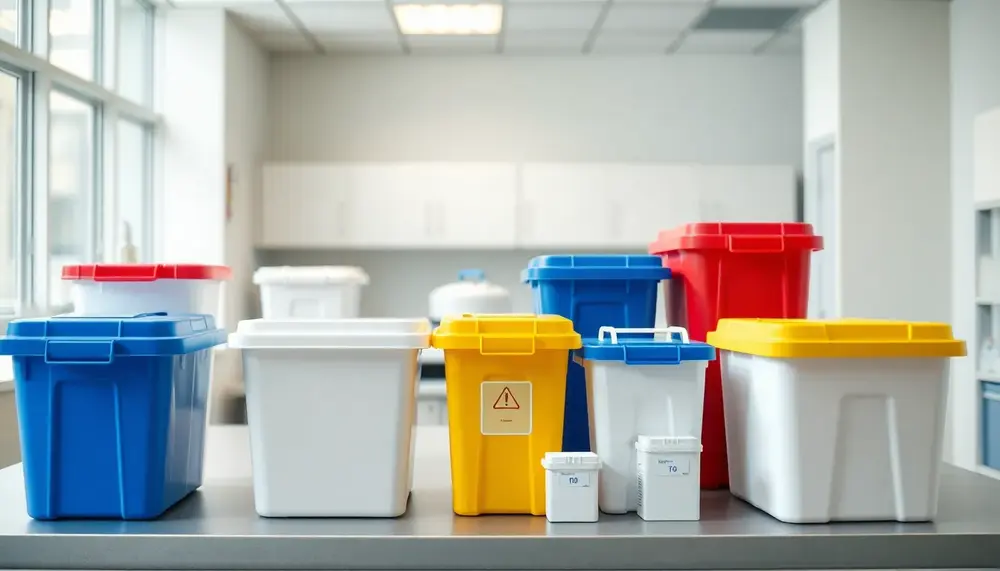
Pharmaceutical waste containers are essential for safely managing hazardous and non-hazardous pharmaceutical waste, protecting public health, the environment, and ensuring regulatory compliance. Choosing the right container involves understanding waste types, prioritizing features like durability, secure lids, clear labeling, and proper...
 AI-generated
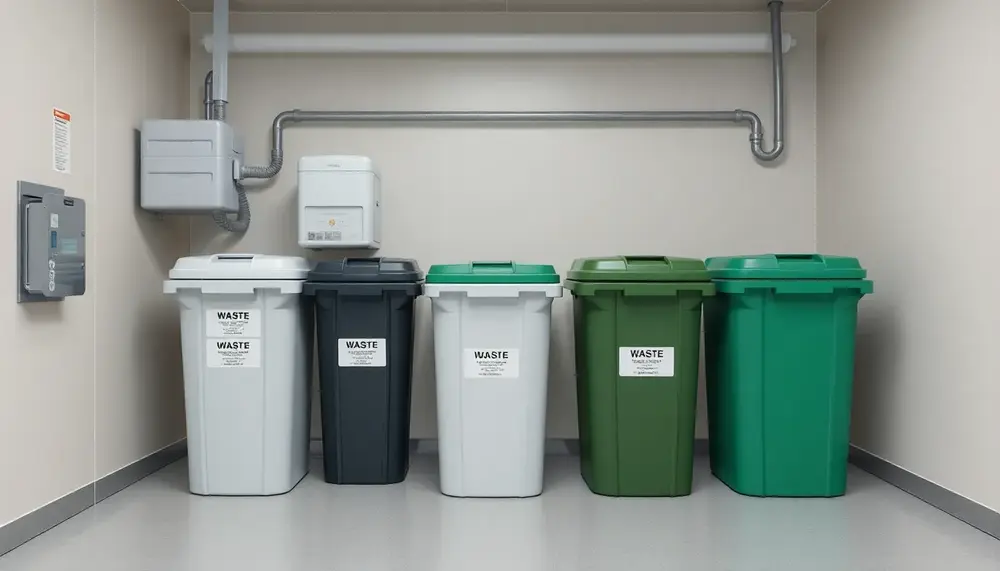
Pharmaceutical waste includes unused, expired medications that require proper disposal to prevent environmental contamination and health risks; safe disposal involves removing personal information, mixing with unpleasant substances, sealing in a durable container, and disposing of it responsibly....
 AI-generated
Plastic regulations encompass rules and policies to manage plastic production, use, and disposal, aiming to reduce environmental impact. They involve federal, state, local governments and agencies like the EPA in creating bans or incentives for responsible usage and recycling of...
 AI-generated
The plastic bag controversy involves balancing their convenience and environmental impact, with issues like non-biodegradability, pollution, and wildlife harm. Efforts are underway to find sustainable alternatives due to the extensive ecological footprint of plastic bags....
 AI-generated
Sustainable packaging minimizes environmental impact through eco-friendly, efficient, and recyclable materials. It addresses pollution concerns, meets consumer demands for green practices, and provides competitive advantages to companies. The evolution of eco-friendly packaging has progressed from reducing material use to introducing biodegradable...
 AI-generated
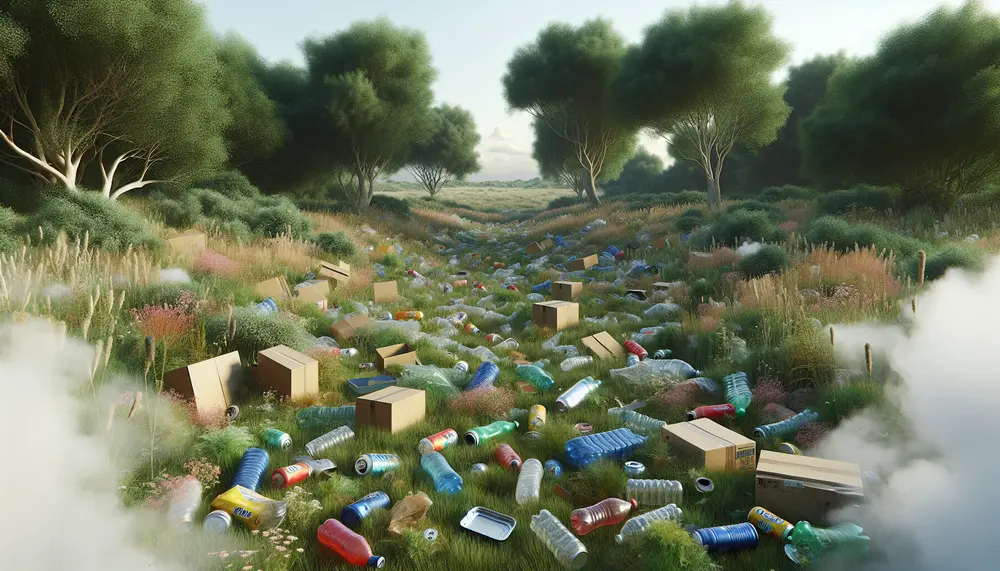
The environmental footprint of packaging is a complex issue involving the entire lifecycle from raw material extraction to disposal, with plastics contributing significantly to global warming and pollution. Strategies for reduction include resource efficiency, recycling technology advancements, renewable materials usage,...


