
Table of Contents:
The Role of Packaging Workers in Product Integrity
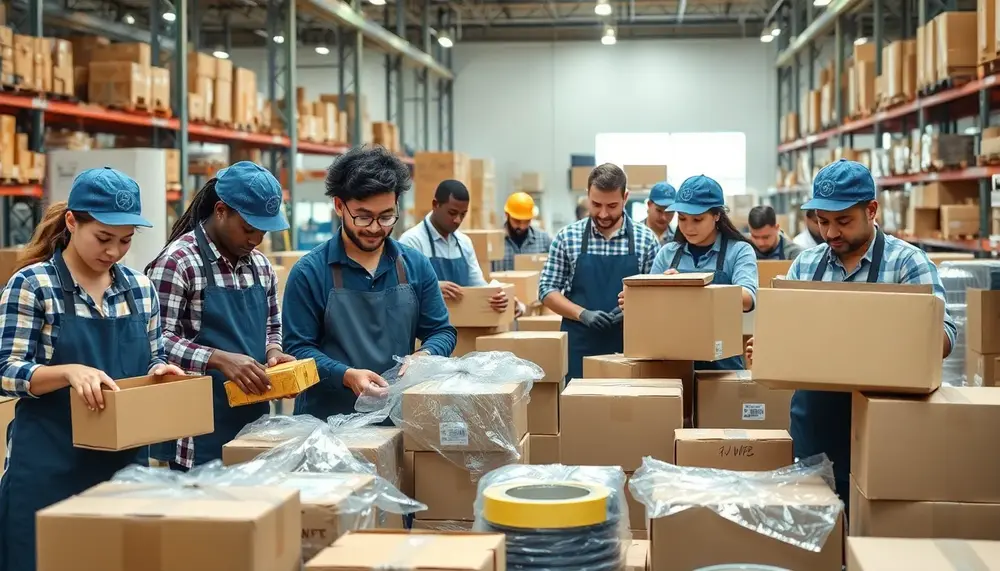
The role of packaging workers in maintaining product integrity is crucial in today’s supply chain. These individuals are responsible for ensuring that products are packaged correctly, safeguarding them against damage during transportation and storage. Their work directly impacts product quality and customer satisfaction.
Packaging workers handle a variety of tasks that are essential to preserving product integrity:
- Material Selection: They choose the right materials for packaging based on the product’s needs, considering factors like durability, moisture resistance, and insulation. This is vital for items such as food, electronics, and pharmaceuticals, where the packaging must protect against spoilage or damage.
- Attention to Detail: Packaging workers must pay close attention to details, including sealing techniques and labeling accuracy. Incorrect labeling can lead to miscommunication about product contents, which is particularly dangerous in industries like food and medicine.
- Quality Checks: Regular inspections during the packaging process help identify defects early. This proactive approach minimizes the risk of delivering damaged or substandard products to customers.
- Compliance with Standards: They ensure that all packaging meets regulatory and safety standards. This includes understanding and applying guidelines from organizations like the FDA or ISO, which can vary by industry.
Moreover, packaging workers contribute to the brand’s reputation. Well-packaged products enhance consumer trust and can lead to repeat business. In contrast, poorly packaged items can damage a brand's image, leading to lost sales and customer loyalty.
In conclusion, packaging workers play a vital role in maintaining product integrity throughout the supply chain. Their expertise not only protects the products but also supports the overall efficiency and reputation of the brand.
Impact of Packaging on Supply Chain Efficiency
The impact of packaging on supply chain efficiency cannot be overstated. Effective packaging not only protects products but also plays a significant role in streamlining operations, reducing costs, and improving overall productivity. Here are several key ways in which packaging influences supply chain efficiency:
- Optimized Space Utilization: Well-designed packaging maximizes space in transport vehicles and storage facilities. This leads to fewer shipments required to transport the same volume of goods, ultimately reducing transportation costs and minimizing carbon footprints.
- Faster Handling and Processing: Efficient packaging allows for quicker loading and unloading. Standardized sizes and shapes can simplify automation processes in warehouses, leading to faster processing times and reducing labor costs.
- Enhanced Inventory Management: Clear labeling and barcoding on packages improve tracking and inventory management. This reduces the chances of stockouts or overstock situations, enabling a smoother flow of goods throughout the supply chain.
- Reduction of Damage and Returns: Properly designed packaging minimizes the risk of damage during transit. This not only protects the product but also reduces the costs associated with returns and replacements, contributing to overall efficiency.
- Improved Customer Satisfaction: Efficient packaging that ensures products arrive intact enhances customer satisfaction. This can lead to increased customer loyalty and repeat business, which are essential for sustaining supply chain efficiency.
Moreover, advancements in packaging technology, such as smart packaging solutions, are further improving supply chain efficiency. These innovations provide real-time data on product conditions during transit, allowing for immediate responses to potential issues.
In summary, the impact of packaging on supply chain efficiency is multi-faceted. By optimizing space, speeding up processes, and ensuring product integrity, effective packaging is a crucial element in achieving a well-functioning supply chain.
Benefits and Challenges of Packaging Workers in the Supply Chain
| Benefits | Challenges |
|---|---|
| Ensures product integrity and quality | Risk of work-related injuries and health issues |
| Contributes to customer satisfaction through proper packaging | High demand for training and skill development |
| Supports sustainability initiatives through eco-friendly practices | Physical demands and repetitive tasks can lead to job dissatisfaction |
| Enhances brand reputation with well-packaged products | Compliance with constantly changing regulations can be challenging |
| Improves supply chain efficiency through optimized packaging | Dependence on machinery increases the need for technical skills |
Quality Control: The Packaging Worker’s Responsibility
Quality control is a critical responsibility of packaging workers, serving as the last line of defense before products reach consumers. Their role in maintaining high standards directly influences product safety and customer satisfaction. Here's how packaging workers contribute to quality control:
- Inspection of Packaging Materials: Workers assess the quality of packaging materials before use. This includes checking for durability, cleanliness, and compliance with safety regulations. Any substandard materials can jeopardize the integrity of the product.
- Monitoring Packaging Processes: Throughout the packaging process, workers must closely monitor operations to ensure that machines are functioning correctly. They look for any irregularities that could lead to packaging defects, such as misaligned labels or improper sealing.
- Conducting Quality Audits: Regular audits of the packaging process are essential. Workers perform checks at various stages, documenting findings to identify trends or recurring issues that need addressing.
- Implementing Standard Operating Procedures (SOPs): Adhering to established SOPs is vital for maintaining quality. Packaging workers are responsible for following these guidelines and ensuring their colleagues do the same, creating a culture of quality within the workplace.
- Feedback and Continuous Improvement: Packaging workers play a key role in providing feedback on packaging designs and processes. Their hands-on experience allows them to suggest improvements that can enhance efficiency and quality, fostering an environment of continuous improvement.
By taking these responsibilities seriously, packaging workers not only ensure that products are safe and compliant but also build consumer trust. This trust is essential for brand loyalty and long-term business success.
Safety Standards and Compliance in Packaging
Safety standards and compliance in packaging are essential for protecting both consumers and products. Adhering to these regulations not only ensures the safe delivery of goods but also upholds the integrity of the brand. Here’s a closer look at the key aspects of safety standards and compliance in the packaging industry:
- Regulatory Framework: Packaging workers must be familiar with various regulations that govern packaging safety. This includes guidelines set by organizations such as the Food and Drug Administration (FDA) for food products and the Occupational Safety and Health Administration (OSHA) for workplace safety. Compliance with these regulations is crucial to avoid legal repercussions and ensure consumer safety.
- Material Safety Data Sheets (MSDS): Packaging workers often refer to MSDS to understand the hazards associated with packaging materials. These documents provide crucial information regarding the safe handling, storage, and disposal of materials used in packaging.
- Traceability Requirements: Many industries require packaging to be traceable throughout the supply chain. This means that packaging workers must ensure that all materials used can be traced back to their source, which is vital for recalls and quality assurance.
- Testing and Certification: Packaging materials often undergo rigorous testing to meet safety standards. This may include tests for chemical migration, puncture resistance, and shelf-life stability. Workers need to be aware of these certifications, as they can impact the overall compliance of the product.
- Training and Education: Continuous training on safety standards is essential for packaging workers. Regular workshops and training sessions help them stay updated on new regulations, technologies, and best practices in packaging safety.
In conclusion, the emphasis on safety standards and compliance in packaging is vital for ensuring product integrity and consumer safety. By understanding and adhering to these regulations, packaging workers contribute significantly to the overall success and reputation of their organizations.
Training and Skill Development for Packaging Workers
Training and skill development for packaging workers are essential components that contribute to the overall efficiency and effectiveness of the packaging process. As the industry evolves, so do the skills required to meet new challenges and technological advancements. Here are key areas of focus for training and development in this field:
- Technical Skills: Workers need training on the operation of various packaging machinery and technology. This includes understanding how to set up, troubleshoot, and maintain equipment to ensure smooth operations.
- Quality Assurance Techniques: Training programs should emphasize methods for quality control, such as visual inspection techniques and the use of testing equipment. This helps workers identify defects early and ensures compliance with safety standards.
- Regulatory Compliance: Familiarity with industry regulations and standards is crucial. Workers should be educated about local and international packaging regulations, including environmental compliance and material safety guidelines.
- Sustainability Practices: As sustainability becomes increasingly important, training on eco-friendly packaging solutions is vital. Workers should learn about biodegradable materials, recycling processes, and how to minimize waste during packaging operations.
- Soft Skills Development: Effective communication, teamwork, and problem-solving skills are essential in a fast-paced packaging environment. Training programs should also focus on developing these soft skills to enhance collaboration among workers.
- Continuous Learning Opportunities: Organizations should promote a culture of continuous learning by providing access to workshops, online courses, and certifications. This encourages workers to stay updated with industry trends and enhances their career prospects.
Investing in training and skill development not only improves the proficiency of packaging workers but also boosts overall productivity and quality within the supply chain. By equipping workers with the necessary skills, companies can ensure a competitive edge in the market.
The Economic Value of Skilled Packaging Labor
The economic value of skilled packaging labor is often underestimated, yet it plays a crucial role in the overall success and profitability of businesses within the supply chain. Skilled packaging workers contribute to various aspects that lead to cost savings, improved efficiency, and enhanced product quality. Here are some key points illustrating their economic impact:
- Increased Productivity: Skilled workers can operate packaging machinery more efficiently, resulting in higher output rates. Their expertise allows for quicker setup times and fewer errors during production, which translates to significant time savings and increased productivity.
- Cost Reduction: By minimizing waste and reducing the incidence of damaged goods, skilled packaging labor directly contributes to lower operational costs. Efficient packaging processes help prevent product loss and decrease the costs associated with returns and replacements.
- Enhanced Product Quality: Skilled workers play a vital role in ensuring that products are packaged correctly and meet quality standards. High-quality packaging can reduce spoilage and extend shelf life, leading to increased sales and customer satisfaction.
- Adaptability to Market Changes: A well-trained packaging workforce can quickly adapt to new packaging materials, technologies, and consumer preferences. This flexibility allows companies to respond swiftly to market demands, maintaining a competitive edge.
- Brand Reputation: Skilled packaging labor enhances the overall presentation and protection of products, which can positively influence consumer perception. A strong brand reputation can lead to increased customer loyalty and higher sales, significantly impacting a company's bottom line.
- Investment in Workforce Development: Companies that invest in training and skill development for their packaging workforce often see a return on investment through improved performance and reduced turnover rates. A stable and skilled workforce contributes to long-term business success.
In conclusion, the economic value of skilled packaging labor extends far beyond immediate cost savings. By fostering a knowledgeable and efficient workforce, companies can enhance productivity, improve product quality, and build a strong brand reputation, ultimately driving profitability in the competitive landscape of the supply chain.
Packaging Workers and Sustainability Practices
Packaging workers play a pivotal role in implementing sustainability practices within the supply chain. As environmental concerns become more pressing, the responsibility of these workers extends beyond traditional packaging tasks to include eco-friendly practices that benefit both the planet and the business. Here are several ways in which packaging workers contribute to sustainability:
- Material Selection: Skilled packaging workers are increasingly involved in choosing sustainable materials. This includes the use of biodegradable, recyclable, or compostable packaging options that reduce the environmental impact of products.
- Reduction of Packaging Waste: Workers are trained to optimize packaging designs to minimize excess material. By using just the right amount of packaging, they help reduce waste and lower costs associated with material usage.
- Recycling Initiatives: Packaging workers can participate in recycling programs within their organizations. This includes sorting materials for recycling and ensuring that packaging waste is disposed of responsibly, thereby promoting a circular economy.
- Eco-Friendly Practices: Implementing practices such as using water-based inks and adhesives, which are less harmful to the environment, is increasingly important. Workers are educated on these alternatives to traditional materials that can be detrimental to ecological health.
- Consumer Education: Packaging workers can also play a role in educating consumers about sustainable practices. This includes clear labeling that informs customers about how to recycle or dispose of packaging responsibly.
- Collaboration with Suppliers: Engaging with suppliers to source sustainable materials is another area where packaging workers can make an impact. Building relationships with environmentally conscious suppliers helps ensure that sustainability is integrated throughout the supply chain.
In summary, packaging workers are essential in driving sustainability initiatives within the packaging industry. By adopting eco-friendly materials, reducing waste, and promoting recycling efforts, they not only enhance the environmental responsibility of their organizations but also contribute to a more sustainable future.
Technological Advancements in Packaging Processes
Technological advancements in packaging processes are transforming the industry, enhancing efficiency, and improving product quality. Innovations in this field are driven by the need for sustainability, cost reduction, and meeting consumer demands. Here are some key technological developments reshaping packaging:
- Automation and Robotics: The integration of automated systems and robotics in packaging lines has increased speed and accuracy. Automated machines can handle repetitive tasks such as filling, sealing, and labeling, which minimizes human error and enhances productivity.
- Smart Packaging: Technologies like RFID (Radio Frequency Identification) and NFC (Near Field Communication) are being used in smart packaging. These technologies allow for real-time tracking of products, providing valuable data on inventory levels and supply chain dynamics.
- 3D Printing: The use of 3D printing in packaging design allows for rapid prototyping and customization. This technology enables companies to create unique packaging shapes and designs, reducing the time from concept to market.
- Eco-Friendly Innovations: Advances in biodegradable and compostable materials are gaining traction. New technologies are being developed to create packaging from renewable resources, such as plant-based plastics, which offer a sustainable alternative to traditional materials.
- Digital Printing: Digital printing technology is revolutionizing packaging by allowing for short runs and personalized packaging. This flexibility enables brands to tailor their packaging for specific marketing campaigns or customer preferences without incurring high costs.
- Enhanced Barrier Technologies: Innovations in barrier materials are improving the shelf life of products. New coatings and films can protect against moisture, oxygen, and light, thereby preserving product freshness and reducing food waste.
These technological advancements not only streamline packaging processes but also align with the growing demand for sustainability and efficiency in the supply chain. As the industry continues to evolve, embracing these innovations will be crucial for companies looking to stay competitive.
Collaboration Between Packaging and Other Supply Chain Functions
Collaboration between packaging and other supply chain functions is essential for optimizing operations and enhancing overall efficiency. When different departments work together seamlessly, they can address challenges more effectively and drive innovation. Here are some key areas where collaboration is critical:
- Product Development: Early involvement of packaging teams in product development ensures that packaging design aligns with product requirements. This collaboration helps identify potential packaging challenges before they arise, leading to more efficient solutions and reduced time to market.
- Logistics Coordination: Packaging workers need to collaborate closely with logistics teams to ensure that packaging designs facilitate efficient transportation. Understanding shipping methods, storage conditions, and handling requirements can lead to packaging solutions that minimize damage and optimize space utilization.
- Marketing Alignment: Close cooperation between packaging and marketing departments is vital for creating packaging that not only protects products but also attracts consumers. Marketing insights can inform design choices, ensuring that packaging aligns with brand messaging and consumer preferences.
- Quality Assurance Integration: Collaboration with quality assurance teams allows packaging workers to incorporate necessary standards and testing protocols into the packaging process. This ensures that packaging meets safety and quality standards from the outset, reducing the risk of issues later in the supply chain.
- Sustainability Initiatives: Working together with sustainability teams can enhance the adoption of eco-friendly practices. Packaging workers can provide insights into material sourcing and design choices that align with the company's sustainability goals, creating a unified approach to environmental responsibility.
In conclusion, fostering collaboration between packaging and other supply chain functions is crucial for achieving a well-integrated operation. By breaking down silos and encouraging open communication, companies can enhance efficiency, reduce costs, and improve product quality, ultimately benefiting the entire supply chain.
Case Studies: Successful Packaging Strategies in Supply Chains
Examining case studies of successful packaging strategies reveals how companies can effectively enhance their supply chains. These examples highlight innovative approaches that have not only improved efficiency but also increased customer satisfaction and sustainability.
Here are some notable case studies:
- Unilever: Unilever implemented a packaging redesign for its personal care products, focusing on reducing plastic usage. By introducing refillable packaging options and utilizing recycled materials, the company reduced its plastic footprint significantly. This strategy not only appealed to environmentally conscious consumers but also resulted in cost savings in material procurement.
- Coca-Cola: Coca-Cola launched its "World Without Waste" initiative, aiming to make all of its packaging recyclable by 2025. The company collaborated with various stakeholders, including suppliers and recyclers, to improve the recyclability of its products. This initiative has not only enhanced Coca-Cola’s brand reputation but has also fostered a more sustainable supply chain.
- Amazon: Amazon introduced its "Frustration-Free Packaging" program, which focuses on minimizing packaging waste while ensuring products are easy to open. By collaborating with manufacturers, Amazon developed packaging that reduces excess materials and improves the overall unboxing experience. This strategy has led to increased customer satisfaction and decreased shipping costs.
- Procter & Gamble: Procter & Gamble (P&G) adopted a strategy of using smaller, more efficient packaging for its Tide Pods. This change not only reduced the amount of plastic used but also optimized transportation efficiency by allowing more units to fit in shipping containers. The result was a significant reduction in transportation costs and a positive environmental impact.
- PepsiCo: PepsiCo launched its "Beyond the Bottle" initiative, focusing on alternative packaging solutions. The company has explored innovations such as plant-based packaging and reusable containers for its beverages. By investing in these sustainable practices, PepsiCo aims to meet consumer demand for eco-friendly products while also reducing its carbon footprint.
These case studies illustrate that effective packaging strategies can lead to enhanced operational efficiency, cost savings, and improved consumer perceptions. By learning from these examples, other companies can adopt similar strategies to strengthen their own supply chains.
Frequently Asked Questions about Packaging Workers' Impact on Supply Chain
What are the key responsibilities of packaging workers?
Packaging workers are responsible for selecting appropriate materials, ensuring product integrity through quality checks, adhering to safety regulations, and maintaining efficient packaging processes that minimize damage during transit.
How do packaging workers contribute to customer satisfaction?
By ensuring that products are packaged correctly and securely, packaging workers help to prevent damage and spoilage. This attention to detail directly translates to higher customer satisfaction and loyalty.
What impact do packaging workers have on supply chain efficiency?
Packaging workers enhance supply chain efficiency by optimizing space utilization, facilitating faster handling and processing, and ensuring that products meet quality standards, which minimizes returns and damages.
What challenges do packaging workers face in their roles?
Packaging workers often face challenges such as the physical demands of the job, the need for compliance with evolving regulations, and the risk of work-related injuries due to repetitive tasks and machinery.
How can training improve the effectiveness of packaging workers?
Training can enhance the skills of packaging workers in areas like equipment operation, quality assurance, regulatory compliance, and sustainability practices, leading to improved efficiency and product quality across the supply chain.