Table of Contents:
The Environmental Footprint of Conventional Packaging: Lifecycle Analysis and Pollution Metrics
Packaging accounts for roughly 40% of all plastic produced globally — approximately 170 million metric tons annually — and the vast majority of this material is designed for a single use that lasts minutes or hours, while its environmental persistence stretches centuries. Understanding where that burden actually falls requires moving beyond simple waste statistics and examining the full lifecycle: raw material extraction, manufacturing, distribution, consumer use, and end-of-life management. Each stage carries distinct environmental costs that aggregate into a damage profile far more complex than what ends up in landfill tallies.
Upstream Impacts: Where the Damage Begins
The production phase is consistently underweighted in public discourse. Manufacturing a single ton of virgin polyethylene terephthalate (PET) — the resin behind most beverage bottles — generates approximately 2.3 to 3.0 tons of CO₂ equivalent and requires roughly 17,000 liters of water. For corrugated cardboard, the numbers look different but remain substantial: pulp production drives deforestation pressure, chemical bleaching introduces dioxins and chlorinated compounds into waterways, and energy consumption in paper mills in the US alone exceeds 400 trillion BTU annually. A thorough look at how deeply packaging shapes environmental outcomes reveals that upstream extraction and processing frequently contribute more than 60% of a package's total lifecycle emissions before a single unit reaches retail.
Glass is often positioned as the clean alternative, but its lifecycle tells a more nuanced story. Producing virgin glass requires temperatures above 1,500°C, making it one of the most energy-intensive packaging substrates. Only when recycled cullet replaces 50% or more of raw materials do glass containers achieve meaningful GHG reductions — a threshold many municipal recycling programs still fail to reliably hit.
Distribution, Degradation, and the Pollution Cascade
Transportation emissions compound manufacturing impacts significantly. The packaging-to-product weight ratio directly determines freight carbon intensity — a metric most procurement teams track poorly. Lightweight flexible plastic pouches, despite their end-of-life problems, can reduce transport emissions by 60–70% compared to glass alternatives for equivalent product volumes. This trade-off sits at the core of why lifecycle analysis must replace single-metric thinking across the industry.
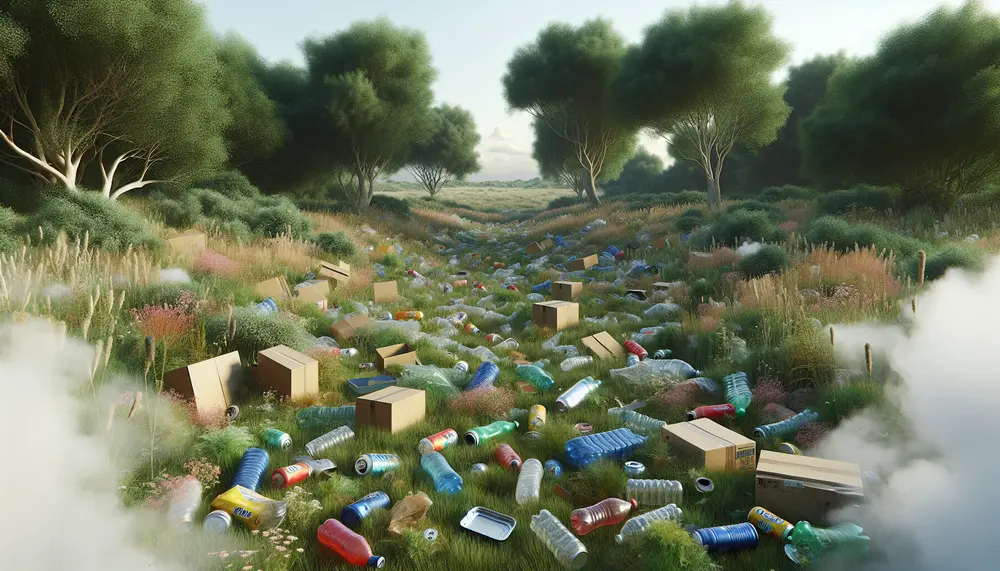
At the disposal stage, conventional packaging fractures into three distinct pollution streams. First, macroplastic waste entering terrestrial and marine ecosystems — an estimated 8 million metric tons reach the ocean annually. Second, microplastic fragmentation: UV degradation and mechanical stress break packaging films into particles below 5mm, now detected in human blood, placental tissue, and Arctic ice cores. Third, chemical leaching from additives including plasticizers, flame retardants, and colorants that migrate into soil and groundwater. The broader effort toward cutting emissions across the entire packaging supply chain requires addressing all three streams simultaneously, not optimizing one at the expense of another.
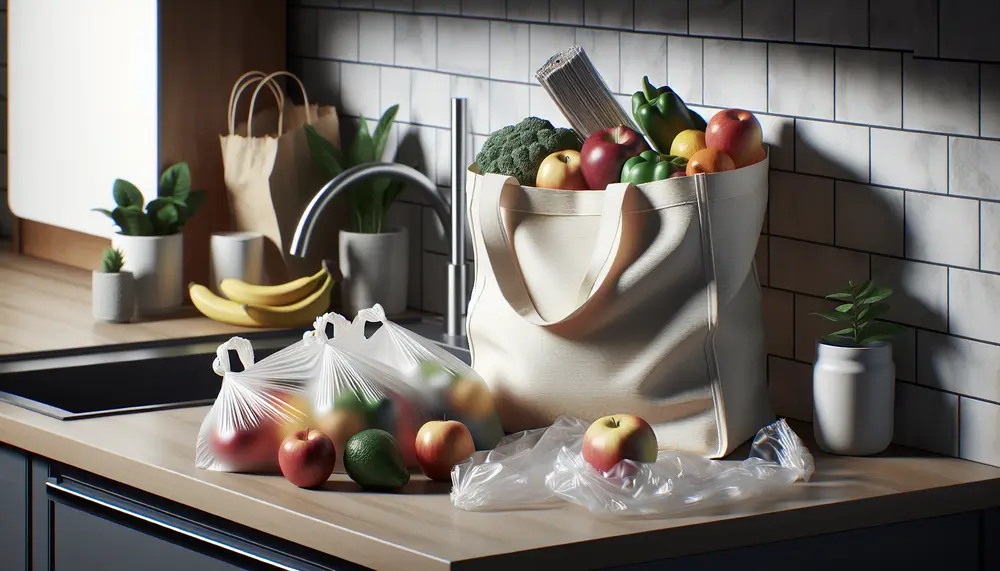
Nowhere is the complexity of this debate more visible than with flexible retail packaging. The ongoing controversy around single-use carrier bags illustrates how comparing environmental impact across material categories demands consistent functional unit definitions — a standard lifecycle assessment (LCA) methodology, using ISO 14040/44, that accounts for reuse rates, regional energy mixes, and actual end-of-life infrastructure rather than theoretical recycling rates. Without that rigor, sustainability claims remain largely performative.
- Carbon footprint benchmarks: PET bottle (0.5L) ≈ 83g CO₂e; aluminum can (330ml) ≈ 170g CO₂e from virgin material; glass bottle (330ml) ≈ 300–400g CO₂e
- Recycling reality gap: Global plastic packaging recycling rates hover at 14–18%, versus 85%+ for corrugated cardboard in mature markets
- Infrastructure dependency: Compostable packaging degrades to specification only in industrial facilities operating at 55–60°C — less than 12% of US municipalities provide this service
Material Innovation: Biodegradable, Compostable, and Bio-Based Packaging Alternatives
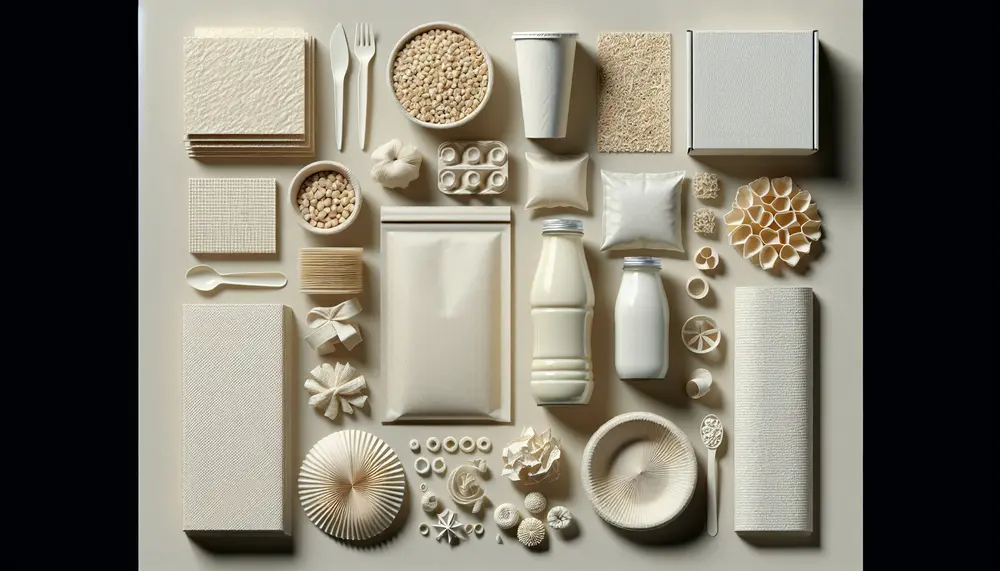
The shift away from conventional petroleum-based plastics has accelerated dramatically over the past decade, driven by tightening regulation — the EU Single-Use Plastics Directive alone affected over 10 product categories — and measurable consumer pressure at point-of-sale. Yet material innovation in sustainable packaging is far more nuanced than simply swapping plastic for paper. Understanding the technical distinctions between biodegradable, compostable, and bio-based materials is essential for anyone making sourcing or procurement decisions today.
Defining the Terminology: Why Labels Matter
Biodegradable is arguably the most misused term in packaging. It legally means a material will break down biologically, but without specifying timeframe or environmental conditions, the claim is nearly meaningless. Conventional plastic technically biodegrades — over 400 years. Compostable packaging, by contrast, must meet defined standards: EN 13432 in Europe requires 90% disintegration within 12 weeks under industrial composting conditions at 58°C. Home-compostable certifications (such as TÜV Austria's OK compost HOME) apply stricter ambient-temperature conditions. Bio-based simply refers to the feedstock origin — a material can be 100% plant-derived yet still non-biodegradable, as with bio-based PE or PET. Confusing these categories leads to greenwashing exposure and, more critically, to materials entering the wrong end-of-life infrastructure.
Among the most commercially mature bio-based alternatives, PLA (polylactic acid) derived from corn starch has gained significant traction in food service packaging. Applications range from cold drink cups to clamshells and films. Corn-derived packaging materials offer a 60–80% reduction in fossil resource use compared to conventional plastic, though their industrial composting requirement remains a genuine infrastructure bottleneck in many markets.
Emerging Materials Gaining Commercial Traction
Beyond PLA, several material categories deserve close attention from packaging professionals:
- PBAT and PHA blends: Polyhydroxyalkanoates (PHAs) are microbially produced polyesters that biodegrade in marine and soil environments — something PLA cannot claim. Costs remain high (€4–8/kg versus €1.5–2/kg for PLA), but scale is improving with producers like Danimer Scientific and CJ BIO entering the market.
- Flexible bio-based films: Next-generation biodegradable bag solutions now combine PBAT with TPS (thermoplastic starch) to achieve certified compostability with mechanical properties suitable for retail carry bags and produce packaging.
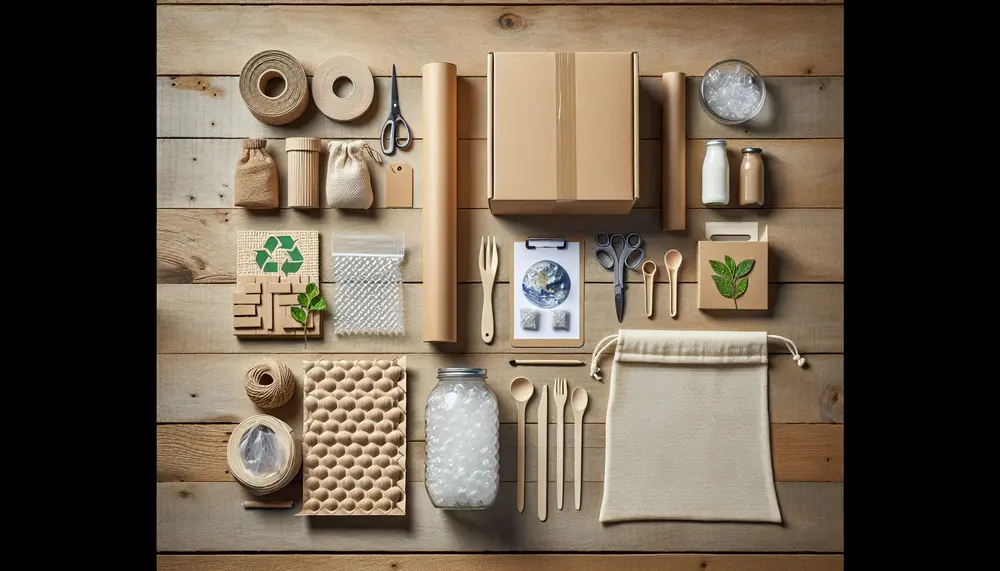
- Wood and cellulose-derived formats: Cellulose acetate films and sustainably sourced wooden utensils address the food service sector, where single-use cutlery regulations are already in force across the EU.
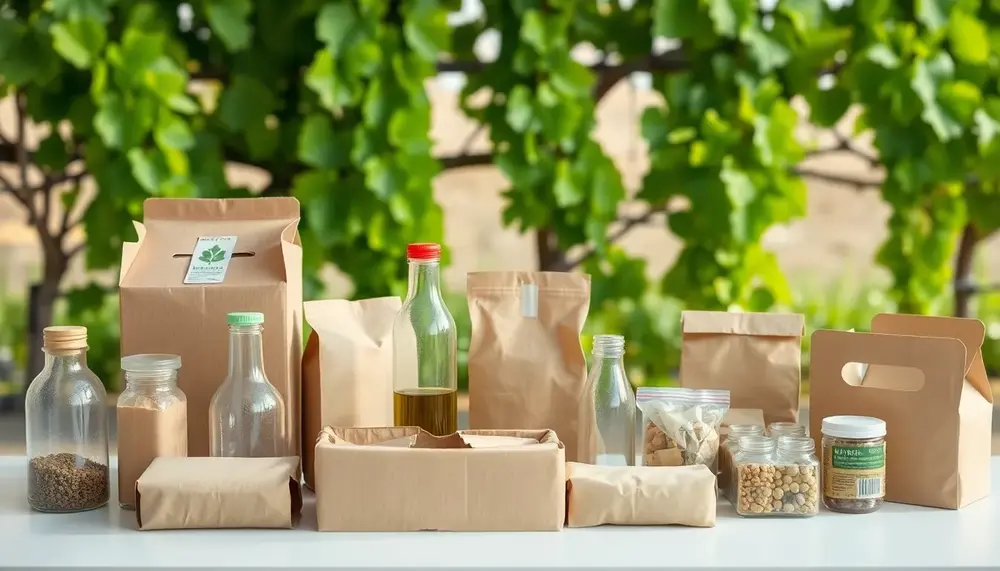
- Recycled fiber-based packaging: High post-consumer recycled (PCR) content paper and board remain the most scalable sustainable option. Recycled paper solutions with 80–100% PCR content are now viable for primary, secondary, and transport packaging in most categories.
Selecting the right material requires mapping the entire value chain: production carbon footprint, available end-of-life infrastructure in your key markets, regulatory compliance timelines, and total cost of ownership. A compostable solution that reaches landfill or incineration delivers none of its intended environmental benefit. Conduct waste stream audits for your top five markets before committing to a single material strategy — regional infrastructure gaps will frequently override any material-level performance advantage.
Pros and Cons of Implementing Sustainable Practices in Packaging
| Pros | Cons |
|---|---|
| Reduces environmental footprint and carbon emissions | Higher initial costs for sustainable materials |
| Improves brand reputation and customer loyalty | Challenges with supply chain and infrastructure |
| Aligns with regulatory compliance and anticipated future laws | Potential for greenwashing if efforts are not genuine |
| Encourages innovation in materials and processes | Limited options for certain product categories |
| Supports the circular economy and reduces waste | Need for extensive consumer education and awareness |
RPET and Closed-Loop Recycling: How Recycled Plastics Are Reshaping Sustainable Supply Chains
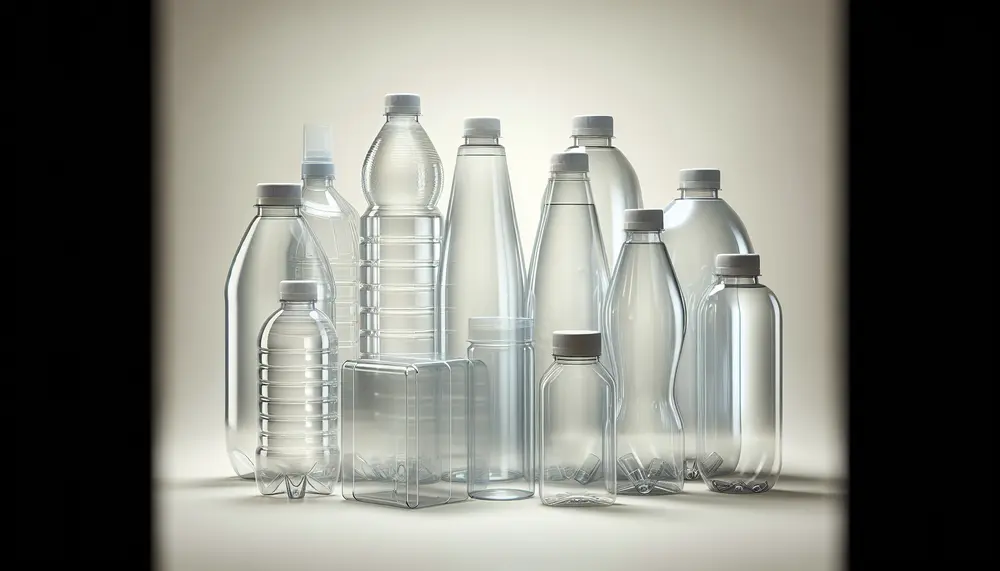
Recycled polyethylene terephthalate — better known as RPET — has moved well beyond its early reputation as a niche material for fleece jackets and carpet fibers. Today, it sits at the center of serious closed-loop strategies adopted by food manufacturers, retailers, and packaging suppliers across Europe and North America. The core principle is straightforward: post-consumer PET bottles and containers are collected, mechanically or chemically processed, and reintegrated into new packaging — ideally completing the loop back into food-contact applications. What makes this transition commercially significant is not just the environmental logic, but the measurable reduction in carbon footprint: producing RPET generates approximately 60–70% less CO₂ compared to virgin PET, a figure that holds up across multiple lifecycle assessments published by the European PET Bottle Platform (EPBP).
From Bottle to Food-Grade Packaging: The Technical Reality
Achieving food-grade RPET is technically demanding and remains one of the key barriers to broader adoption. The material must pass stringent decontamination processes — typically super-clean mechanical recycling or solvent-based purification — to eliminate potential migrants from previous product contact. The EFSA (European Food Safety Authority) and FDA both maintain strict protocols for approving recycled content in direct food-contact packaging. This is precisely why the growth of fully recycled packaging solutions meeting food-contact standards represents a genuine milestone, not simply a marketing claim. Suppliers who can demonstrate EFSA-compliant RPET for deli containers, trays, and cups are operating at the frontier of what the technology currently allows.
The shift toward 100% RPET content — as opposed to blends of 25% or 50% recycled content — signals a maturing supply chain. Several European supermarket chains, including Lidl and Rewe, have already committed to minimum recycled content thresholds in private-label packaging. For procurement managers, this creates direct pressure on suppliers to certify material provenance, track chain-of-custody through systems like Recyclass or RecyClass, and document the actual percentage of post-consumer resin in each batch.
Closed-Loop Applications in Food Service and Delicatessen
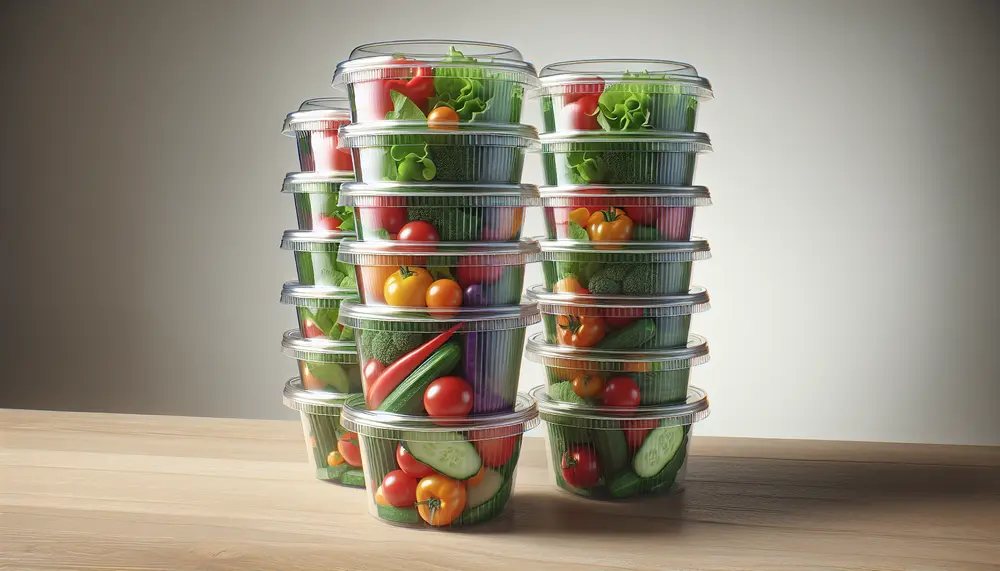
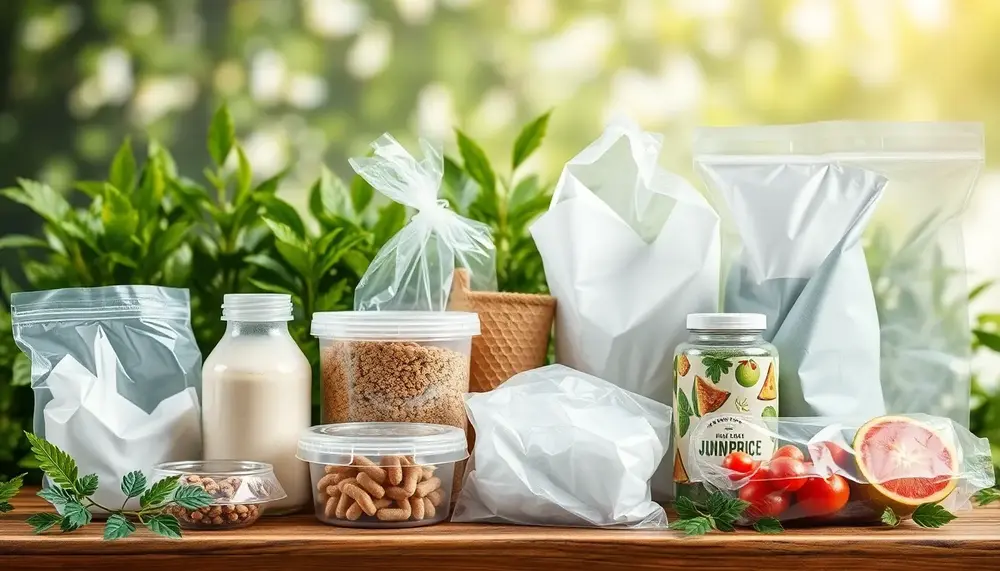
One of the most practical demonstrations of closed-loop thinking is happening in fresh food and deli retail. Rigid containers for prepared salads, marinated proteins, and ready meals represent a high-volume, high-visibility category where the growing adoption of fully recycled rigid containers is becoming a key differentiator for sustainability-conscious buyers. The challenge here is dual: the packaging must maintain optical clarity for consumer appeal while withstanding cold chain temperatures and potential leakage. RPET performs comparably to virgin PET in both respects when processed correctly.
Deli-specific applications deserve particular attention. The introduction of RPET-based deli cups designed for direct food contact demonstrates how even niche formats can be transitioned away from virgin plastics without compromising hygiene or structural integrity. For buyers evaluating these formats, the critical specification checklist should include:
- Recycled content certification (minimum 95% post-consumer resin for "100% RPET" claims)
- EFSA or equivalent food-contact compliance documentation
- RecyClass recyclability rating for the target market's waste stream
- Clarity and haze index comparable to virgin material standards
The broader question for supply chain professionals is not whether RPET works — it does — but whether collection infrastructure in their region can actually feed a reliable closed loop. In Germany and the Netherlands, deposit-return systems (DRS) achieve PET collection rates above 90%, creating a stable recycled feedstock. Markets without DRS face significantly higher contamination rates and supply volatility. The technical specifications behind purpose-built RPET deli formats only deliver their full environmental benefit when paired with effective end-of-life collection — making infrastructure advocacy as important as material innovation for any serious sustainability strategy.
Regulatory Frameworks and Compliance: Navigating Packaging Waste Legislation in Europe
Europe's packaging legislation landscape has undergone a fundamental shift in the past three years. The revised Packaging and Packaging Waste Regulation (PPWR), which replaces the 1994 Directive, moves from a minimum-harmonisation directive to a directly applicable regulation — a distinction with enormous practical consequences for manufacturers, retailers, and brand owners operating across multiple EU member states. Where companies previously adapted to fragmented national transpositions, they now face a single, binding ruleset with uniform deadlines and measurable targets.
The core ambition of the PPWR centres on three pillars: reducing overall packaging volumes, increasing recyclability, and scaling recycled content. By 2030, all packaging placed on the EU market must be recyclable at scale. By 2040, the regulation mandates a 15% reduction in packaging waste per member state relative to 2018 levels. For specific formats — single-use plastics in the hospitality sector, for instance — restrictions are already in force under the Single-Use Plastics Directive (SUP), and enforcement actions from national authorities have accelerated. To understand how these interlinked measures affect operations end-to-end, it's worth examining how recent regulatory changes are reshaping the entire packaging value chain.
Extended Producer Responsibility: The Compliance Engine
Extended Producer Responsibility (EPR) schemes are the primary compliance mechanism most businesses encounter directly. Under harmonised EU rules, producers must register in each member state where they sell packaged goods, report packaging volumes, and pay fees that fund collection and sorting infrastructure. Germany's dual system, France's REP emballages through CITEO, and Austria's ARA scheme operate differently in fee structures and reporting cadences — companies underestimate this administrative burden at real financial risk. Penalties for non-registration can reach six figures in Germany alone. Practically, organisations with cross-border sales need dedicated compliance management, either in-house or through an authorised representative, and should audit their product portfolios annually against updated fee category tables.
Recyclability requirements demand equal attention. The PPWR introduces recyclability performance grades (A through E), assessed against criteria including material mono-composition, label removability, and compatibility with existing sorting infrastructure. Packaging graded D or E will be prohibited by 2030 and subject to higher EPR fees from 2028 onwards. Several forward-thinking brands — including Unilever and Nestlé — have already published packaging redesign roadmaps aligned to these grades, treating early compliance as a commercial differentiator rather than a cost centre.
Reuse Targets and Format-Specific Obligations
Beyond recyclability, the PPWR introduces mandatory reuse targets for specific packaging categories: 10% of beverages must be offered in reusable formats by 2030, rising to 40% by 2040. For transport packaging in B2B contexts, the targets are even more demanding. Companies operating in food service, logistics, or retail need to map their current portfolio now against these category-specific obligations, since product development and supplier negotiations require long lead times. Examining how leading European companies have restructured their packaging strategies reveals that early movers are already building refill infrastructure and deposit-return partnerships that lock in market advantages.
Compliance in this environment is no longer purely a legal function. Procurement, R&D, marketing, and finance all carry ownership. The most effective organisations have established cross-functional packaging governance committees with quarterly review cycles, connecting regulatory monitoring directly to product development pipelines. Recognition programmes have emerged as valuable benchmarking tools — industry award schemes that highlight breakthrough packaging solutions provide concrete proof-of-concept examples that compliance teams can reference when building the internal business case for investment in compliant formats.
Circular Economy in Practice: Reusable Packaging Systems and Waste Reduction Strategies
The linear "take-make-dispose" model costs the global economy an estimated $80–120 billion annually in lost packaging material value alone, according to the Ellen MacArthur Foundation. Transitioning to circular systems isn't a philosophical exercise — it's an economic imperative backed by measurable ROI. Companies like Unilever and Loop Industries have already demonstrated that closed-loop packaging architectures can reduce material costs by 20–35% over a five-year horizon while simultaneously cutting scope 3 emissions.
The core principle is straightforward: packaging should be designed to re-enter the supply chain rather than exit it. This requires a fundamental rethink of material selection, logistics infrastructure, and consumer incentive structures. Deposit-return systems (DRS), for example, achieve collection rates of 85–95% in markets like Germany and Norway — compared to 30–50% for curbside recycling programs in most EU and North American markets.
Building Reusable Packaging Infrastructure That Works at Scale
The failure mode of most reusable packaging pilots is insufficient attention to reverse logistics. A reusable container that isn't returned is worse than a recyclable single-use alternative — it carries higher embodied carbon with no second-life benefit. Successful programs from companies like Coca-Cola's refillable bottle network in Latin America and Algramo's dispensing model in Chile demonstrate that the return rate must exceed 75% before environmental break-even points are reached. Below that threshold, the system may actually increase net environmental burden.
Standardization across competitors is the most underutilized lever in this space. When multiple brands share a common bottle format — as practiced in Belgium's Torfs shoe chain's packaging consortium or in Germany's Mehrweg system for beverages — washing and redistribution costs drop dramatically. The broader landscape of reusable product innovation shows that interoperability between brands can reduce per-unit logistics costs by up to 40% compared to proprietary closed-loop systems.
When Reuse Isn't Feasible: Maximizing Recycling Efficiency
Not every product category can support reusable formats — flexible pouches, medical packaging, and e-commerce fulfillment materials present genuine technical and hygienic barriers. For these streams, the priority shifts to design for recyclability: eliminating mixed-material laminates, reducing colorants that contaminate recycling streams, and integrating chemical markers (such as HolyGrail 2.0 digital watermarks) that enable automated sorting. The gap between "technically recyclable" and "actually recycled" remains significant — the real-world potential of packaging recycling systems only materializes when design, collection, and processing infrastructure are aligned.
Practical implementation steps for operations teams include:
- Packaging audits segmented by material type, volume, and existing end-of-life infrastructure in your key markets
- Supplier scorecards that incorporate recyclability and reusability metrics alongside cost and lead time
- Consumer testing of deposit-return incentive levels — research shows €0.25 triggers behavioral change in urban demographics, while rural markets often require €0.50+
- Piloting before scaling — run reusable formats in 2–3 geographic markets with controlled reverse logistics before national rollout
The most sophisticated organizations now treat packaging circularity as a cross-functional discipline spanning product development, procurement, marketing, and logistics. Long-term packaging sustainability depends not on any single material switch, but on systematically closing material loops at every node of the value chain — from raw material sourcing through to post-consumer recovery.
Sustainable Packaging Manufacturing: Process Design, Supply Chain Optimization, and Industry Benchmarks
Transforming sustainability commitments into manufacturable products demands a level of engineering rigor that most sustainability roadmaps underestimate. The gap between a material specification sheet and a validated production line running at commercial volumes is where most sustainable packaging initiatives stall. Understanding how prototype concepts evolve into scalable production systems is foundational for any procurement or R&D leader serious about measurable impact rather than marketing claims.
Process Design: Where Material Choices Meet Engineering Reality
Sustainable materials routinely behave differently under industrial processing conditions than their conventional counterparts. Recycled PET, for instance, has a narrower processing window—typically 265–280°C versus 280–310°C for virgin PET—requiring recalibrated extruder settings, adjusted screw geometries, and more rigorous pre-drying protocols to prevent hydrolytic degradation. Compostable biopolymers like PLA present comparable challenges: moisture absorption during storage can reduce molecular weight significantly, directly compromising barrier performance and seal integrity at line speeds above 300 units per minute.
Effective process design for sustainable packaging involves three non-negotiable engineering steps: material qualification testing under simulated production conditions, tooling modification assessments for existing converting equipment, and inline quality control calibration specific to new material properties. Skipping any of these phases is the single most common reason pilot projects fail to scale. Brands that build sustainability into their manufacturing briefs from the outset—rather than retrofitting it—consistently report 15–25% lower conversion costs per unit at full production volumes.
Supply Chain Architecture for Responsible Sourcing
A sustainable end-product is only as credible as its upstream supply chain. Certified feedstock sourcing—FSC for paper-based substrates, ISCC PLUS for bio-based polymers—adds verifiable traceability but also introduces lead time variability that procurement teams must actively buffer. Leading manufacturers are addressing this through dual-source supplier strategies, maintaining at least two geographically distinct certified suppliers per critical raw material. This approach has proven essential during disruption events: companies with single-source certified inputs experienced 40–60 day supply gaps during 2021–2022 logistics crises, while dual-source operators maintained continuity with under 10-day delays.
Transportation emissions constitute a frequently overlooked element of sustainable packaging's overall footprint. Switching to regional converting partners—even at a 5–8% cost premium—can reduce scope 3 transport emissions by 30–45% for European or North American supply chains. The full picture of where the packaging sector is heading in terms of decarbonization and circular sourcing points clearly toward regionalized, vertically integrated supply models as the dominant structure by 2030.
Industry benchmarks currently used by leading FMCG companies and retailers include:
- Recycled content targets: 30% PCR minimum for rigid plastics by 2025 (aligned with EU Packaging Regulation proposals)
- Carbon intensity: below 1.2 kg CO₂e per kg of packaging produced, across full cradle-to-gate scope Recyclability rate: 90%+ of packaging portfolio certifiable under established schemes (How2Recycle, OPRL) by 2025
- Water consumption: under 8 liters per kg of substrate for paper-based converting operations
Achieving these benchmarks requires embedding next-generation material innovations into existing infrastructure rather than waiting for greenfield investment cycles. Manufacturers that have adopted modular line configurations—allowing rapid changeovers between conventional and sustainable substrate runs—report payback periods of 18–24 months on retrofit investments, substantially outperforming initial projections. The operational discipline required mirrors what integrated eco-design practices demand at the organizational level: cross-functional ownership, measurable KPIs, and zero tolerance for data gaps in lifecycle reporting.
FAQ on Sustainability and Environmental Impact
What is corporate sustainability?
Corporate sustainability refers to a company's commitment to conducting business in an environmentally, socially, and economically responsible manner, ensuring long-term growth while minimizing negative impacts on the environment.
Why is measuring carbon emissions important?
Measuring carbon emissions is crucial for understanding a company's environmental impact and for setting realistic targets for reduction. It allows businesses to identify key areas for improvement and comply with regulations like the EU's Corporate Sustainability Reporting Directive.
What are Scope 1, 2, and 3 emissions?
Scope 1 emissions are direct greenhouse gas emissions from owned or controlled sources. Scope 2 refers to indirect emissions from the generation of purchased electricity, steam, heating, and cooling. Scope 3 encompasses all other indirect emissions that occur in a company's value chain.
What role does packaging play in environmental sustainability?
Packaging is a significant contributor to waste and environmental pollution, accounting for a large percentage of plastic production. Sustainable packaging practices aim to reduce impacts through material innovation, recycling, and reducing single-use items.
What is the importance of the circular economy?
The circular economy focuses on reusing, recycling, and refurbishing materials to create a closed-loop system, minimizing waste and making the most out of resources. This approach significantly reduces environmental impacts compared to the traditional linear economy model.