
Table of Contents:
The Strategic Role of Packaging Design in Brand Identity and Consumer Perception
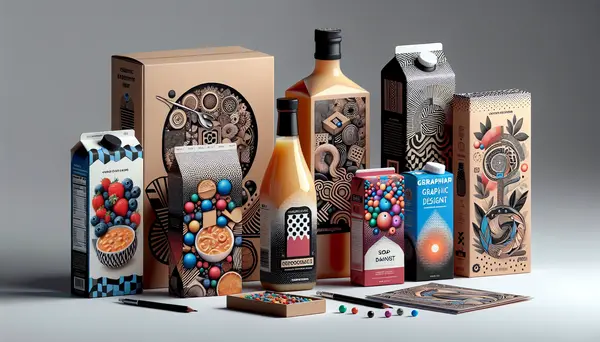
Packaging is the single most efficient marketing touchpoint a brand controls entirely. Unlike a social media campaign or a TV spot, packaging reaches 100% of buyers at the exact moment of purchase decision — and yet most companies still treat it as an operational cost rather than a strategic asset. Research from the Paper and Packaging Board consistently shows that 72% of American consumers say packaging design influences their purchasing decisions, while shelf studies reveal that buyers form initial product judgments in under 400 milliseconds. That window is not long enough to read a tagline. It is only long enough to perceive.
Packaging as the Physical Manifestation of Brand Strategy
A brand exists in the mind of the consumer as a cluster of associations — quality, trustworthiness, personality, price positioning. Packaging is the physical object that either reinforces or contradicts those associations at every single touchpoint: the retail shelf, the unboxing moment, the kitchen counter, the recycling bin. Apple's packaging, for instance, is engineered to create a specific slowing-down effect when opening — the lid resistance is precisely calibrated. That friction is not accidental; it communicates deliberateness and premium quality before the product is even seen. What packaging actually communicates goes far beyond protecting the product inside — it encodes brand values, category positioning, and target audience signals into a three-dimensional object.
Strong packaging systems share several structural characteristics that distinguish them from purely aesthetic exercises:
- Visual architecture hierarchy: Brand mark, product name, key benefit, and variant differentiation each occupy a defined visual tier with intentional weight and spacing
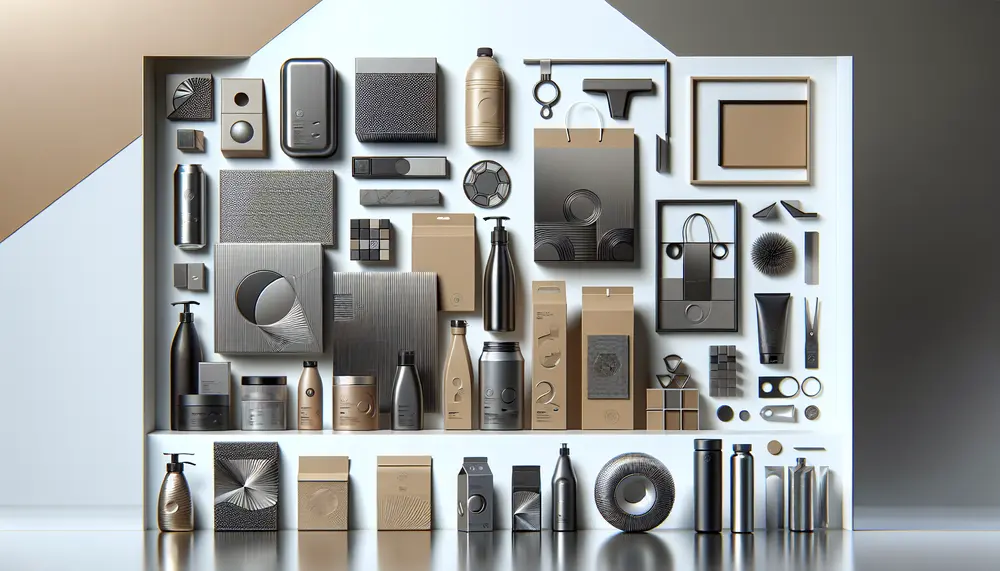
- Material honesty: The substrate, finish, and weight reinforce the price-quality signal — matte lamination reads differently than gloss, and uncoated stock signals transparency and naturality
- Scalability across SKUs: The system must hold coherence whether applied to a flagship SKU or a limited edition variant — inconsistency erodes brand equity faster than most marketing mistakes
- Shelf impact vs. hand impact: Designs that perform at 3 meters on shelf often lose their effect at 30 centimeters in hand — great packaging solves both scales simultaneously
From Brief to Shelf: Where Strategy Becomes Structure
The gap between brand intention and executed packaging is where most equity leaks. A brand positioning document might describe a product as "premium, natural, and approachable" — three values that can easily contradict each other in physical form if the design process lacks rigorous translation mechanisms. The process of moving from concept to retail-ready packaging involves far more structural decision-making than most brand managers anticipate, including substrate selection, print process constraints, regulatory copy requirements, and retailer-specific shelf dimension standards.
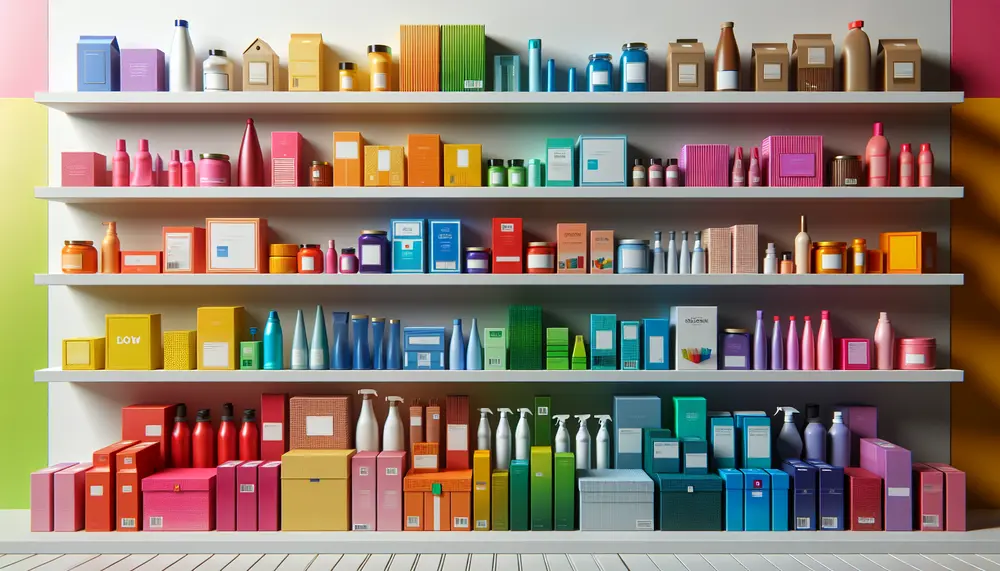
Practitioners who study how leading brands execute their packaging across different categories quickly identify a pattern: the most effective designs make one primary strategic claim, executed with exceptional craft, rather than attempting to communicate everything simultaneously. Innocent Drinks uses illustration and conversational copy to own "friendly and honest." Aesop uses a consistent amber bottle and typographic restraint to own "considered and intellectual." Neither brand hedges its positioning through packaging.
For teams building or auditing a packaging system, the most useful starting point is a structured framework that maps brand strategy directly to packaging decisions — covering color systems, typographic hierarchies, material palettes, and structural formats in one integrated document. This prevents the organizational fragmentation that causes packaging inconsistency across product lines, markets, and production cycles.
Structural Foundations: Primary, Secondary, and Tertiary Packaging Levels Explained
Every packaging system operates across three distinct structural layers, each carrying specific functional responsibilities and design constraints. Understanding how these layers interact — and where they diverge — is what separates competent packaging design from truly strategic work. Conflating them leads to costly mistakes: over-engineered primary packaging that adds unnecessary weight, or tertiary solutions that fail under real warehouse conditions.
The Three Layers and Their Distinct Roles
Primary packaging is the first and most intimate layer — the material that makes direct contact with the product. Think of a glass perfume bottle, a blister pack for pharmaceuticals, or the inner liner of a coffee bag. This layer must satisfy regulatory compliance requirements, protect product integrity, and simultaneously serve as the primary brand communication surface. For food products, primary packaging must meet FDA or EFSA material safety standards, which severely limits material choices and requires documented migration testing for any new substrate.
Secondary packaging groups primary units together and serves as the primary retail display vehicle. A cardboard box holding six individually packaged protein bars, or a sleeve that bundles three deodorant sticks, are classic examples. This is the layer where understanding how packaging hierarchies function becomes operationally critical — because secondary packaging decisions directly affect shelf velocity, retail compliance requirements, and the replenishment workflow in distribution centers. Retailers like Target or Walmart often mandate specific secondary pack configurations (12-count shippers, PDQ trays) as a condition of shelf placement.
Tertiary packaging is the logistics layer: pallets, stretch wrap, corrugated master cartons. It rarely touches the consumer but can account for 15–25% of total packaging costs in categories like beverages or consumer electronics. Designing tertiary packaging without running compression tests (ISTA 2A or ISTA 6-Amazon for e-commerce) is a common failure point that leads to product damage rates exceeding 3%, triggering costly chargebacks from major retailers.
Where Design Decisions Cascade Across Levels
Changes at one level propagate consequences upward and downward through the system. Increasing primary pack dimensions by just 4mm to accommodate a larger label can break an existing secondary carton configuration, requiring a full tooling revision — typically $8,000–$25,000 for custom folding carton dies. This cascading effect is why experienced designers always model the full pack architecture before finalizing any single component. The relationship between structural packaging decisions and brand design execution is far more interdependent than most brand managers initially recognize.
The structural hierarchy also intersects directly with product development timelines. When packaging and product evolve simultaneously — as they do in most new product launches — the co-development of product and its containment system prevents expensive late-stage redesigns. Companies like Apple have made this integration a competitive advantage: the primary packaging for an iPhone is engineered to the millimeter alongside the device itself, achieving an unboxing experience that functions as a brand touchpoint while optimizing for logistics efficiency.
- Conduct cube utilization analysis early: Target 85%+ pallet efficiency before finalizing primary dimensions
- Specify board grades with drop testing data, not just visual appearance — ECT-32 versus ECT-44 corrugated has real performance implications
- Document layer interactions in a packaging brief that travels with the project through every revision cycle
- Validate retailer compliance requirements at secondary level before any primary tooling investment
Pros and Cons of Effective Packaging Design
| Pros | Cons |
|---|---|
| Influences 72% of purchasing decisions | Requires investment in material quality and design expertise |
| Enhances brand identity and consumer perception | Can be costly if not designed with production efficiency in mind |
| Communicates product values and quality effectively | Inadequate packaging can lead to negative customer experiences |
| Facilitates differentiation on the shelf | Maintaining sustainability standards can complicate design choices |
| Guides user behavior and enhances functionality | Requires continuous market research to stay relevant |
Core Design Principles: Layout, Typography, and Visual Hierarchy in Packaging
A consumer's eyes land on a package for an average of 1.5 seconds before moving on — that's the window your design has to communicate brand identity, product benefit, and purchase motivation simultaneously. Achieving that requires far more than aesthetic instinct. It demands a disciplined understanding of how layout, type, and visual hierarchy work together as an integrated system. These aren't stylistic preferences; they're functional tools that drive shelf performance and conversion.
Layout: Structuring the Visual Story
Packaging layout is fundamentally about controlling the sequence in which information is absorbed. The primary display panel (PDP) — the face-forward surface a shopper sees first — must establish brand recognition within the top third of the composition and deliver a product identifier in the middle zone. Studies from Nielsen indicate that packaging with a clear focal point converts at rates up to 30% higher than cluttered alternatives. If you're building layout structures from the ground up, the principles covered in how professional designers approach compositional flow on packaging provide a precise framework for zoning and hierarchy mapping.
Grid systems are non-negotiable for multi-SKU product lines. A consistent grid ensures that when your oat milk and your almond milk sit side by side, the brand block registers instantly while variant differentiation happens within a controlled visual language. Breaking the grid should be a deliberate choice — think Innocent Drinks' handwritten label notes — not an accident of iteration.
Typography as a Functional Design Element
Typography on packaging carries dual responsibility: it must communicate information precisely and reinforce brand personality visually. A common mistake is treating font selection as secondary to imagery. In reality, the typeface choice, weight variation, and letter-spacing define whether a product reads as premium, playful, clinical, or artisanal within milliseconds. Hierarchy through type means your brand name should typically be set at 1.5–2× the size of your product descriptor, with usage directions and legal copy occupying a clearly subordinate tier.
Legibility constraints in packaging are stricter than in any other medium. A font that performs beautifully at 72pt in a brand presentation may become completely unreadable at 8pt on a side panel. Always test type at actual print size — including for colorblind users, who represent roughly 8% of the male population. Contrast ratios should meet at minimum a 4.5:1 standard for body copy, even on colored backgrounds.
The relationship between graphic elements and typography is where packaging design becomes genuinely complex. Understanding how graphic composition shapes consumer perception reveals why typography rarely operates in isolation — it interacts with illustration, photography, and structural shape to create a unified communication. Similarly, scalable artwork is critical for any design meant to appear across multiple package sizes; using vector-based artwork to maintain precision at every scale eliminates the resolution problems that plague raster-dependent workflows.
Visual hierarchy ultimately determines what gets noticed, what gets read, and what gets ignored. The rule of three applies cleanly here: no packaging front panel should ask the consumer to process more than three visual priorities simultaneously — brand, product name, and one key differentiator. Everything else supports those three anchors. For a consolidated view of how these principles interact across all design decisions, the foundational rules that define effective packaging remain an essential reference point regardless of category or format.
- Primary display panel: Brand mark in upper third, product name center, hero visual or key claim below
- Type hierarchy: Minimum 3 size tiers — brand, descriptor, legal/nutritional
- Contrast compliance: 4.5:1 ratio minimum for readable body copy
- Grid discipline: Define column and margin structures before placing any element
- Focal point clarity: One dominant visual entry point per panel, no exceptions
The Packaging Design Process: From Brief and Concept to Final Production
Most packaging projects that fail do so before a single design is created. The brief is either too vague, too restrictive, or completely disconnected from production realities. A solid packaging design process runs in distinct phases, each with defined deliverables and decision gates — not a continuous creative free-for-all. Understanding how professional packaging projects are structured from discovery through delivery separates studios that consistently hit shelves on time from those perpetually stuck in revision loops.
Phase 1: Brief, Research, and Concept Development
The design brief should answer five non-negotiable questions: Who is the target consumer? What is the retail environment (e-commerce, grocery, specialty)? What are the structural constraints (material, dimensions, weight)? What regulatory requirements apply? What does success look like, and how will it be measured? Brands that invest two to three weeks in a rigorous brief process typically reduce revision rounds by 40% compared to projects that rush straight into sketching.
Research runs parallel to briefing. Competitive shelf audits — photographing actual category shelves rather than relying on brand presentations — reveal whitespace opportunities. For example, a beverage brand entering a crowded energy drink category might discover that 80% of competitors use black or dark backgrounds, making a clean white or pastel design an immediate differentiator. Category conventions exist for a reason, but understanding them precisely tells you which ones you can break strategically.
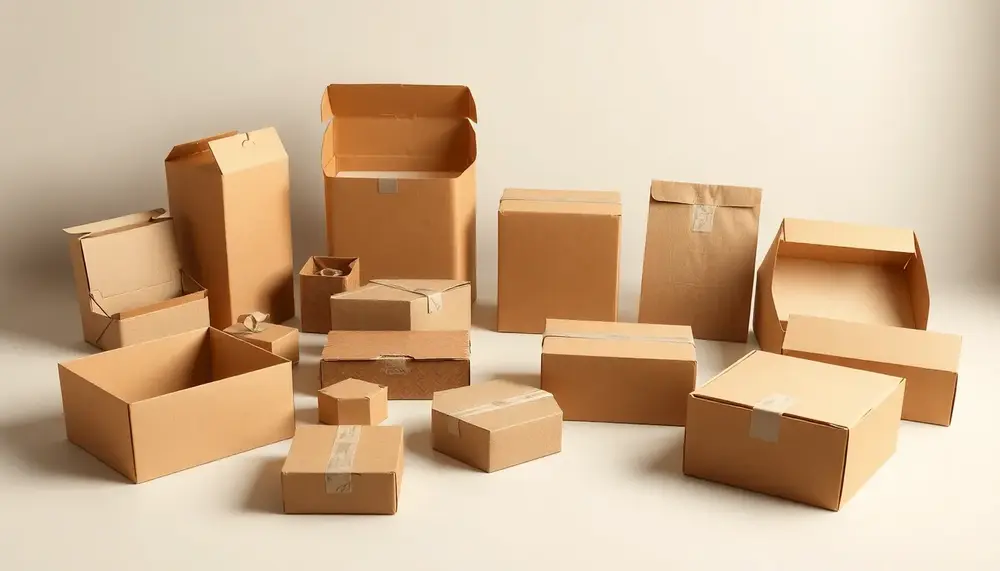
Concept development should generate at least three genuinely distinct directions — not variations on the same idea. Each concept needs a strategic rationale, not just aesthetic justification. Presenting concepts without the "why" behind each decision forces clients into subjective gut reactions rather than informed choices. For box-based formats in particular, concept exploration should address all six faces of the structure, since a design that works on the front panel often collapses when applied to the full three-dimensional form.
Phase 2: Refinement, Prototyping, and Pre-Production
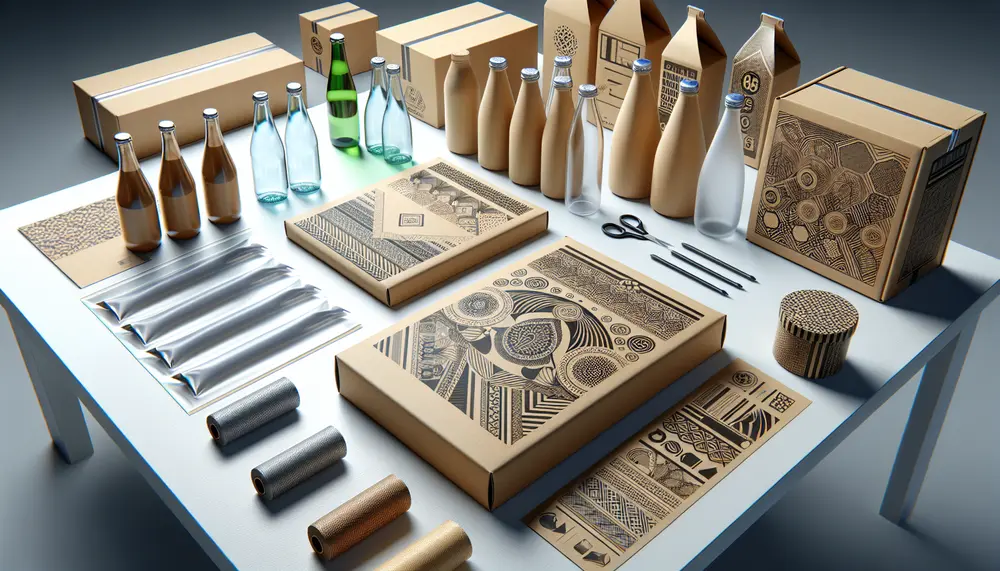
Once a concept direction is selected, refinement moves into dieline-accurate artwork. This is where most junior designers stumble — working in flat layouts without accounting for bleed zones, fold distortions, or how colors shift across different substrates. Spot colors specified in Pantone may look radically different when printed on kraft paper versus coated white board. Always request printed proofs on the actual substrate before sign-off, not just screen-accurate PDFs.
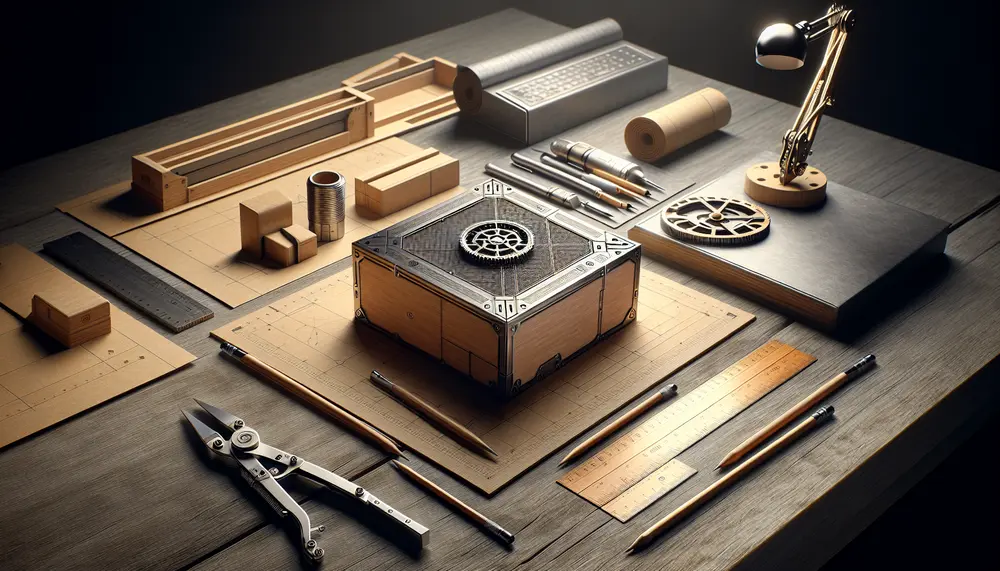
Physical mockups are non-negotiable before committing to production. Studying well-executed mockup examples shows how light, texture, and structure interact in ways no digital rendering fully captures. A prototype that takes three days and costs $200 can prevent a $15,000 production error. High-fidelity mockups also allow shelf-placement testing — put your prototype among real competitor products and photograph it at eye level, from three feet away, exactly as a shopper would encounter it.
Pre-production sign-off requires a complete technical package: final dielines, color callouts with Pantone and CMYK equivalents, finish specifications (matte/gloss laminate, spot UV, emboss), and a print-ready PDF with all fonts outlined and images embedded at 300 dpi minimum. Production specifications should reference the specific printer's guidelines, not generic standards. The goal at this stage is zero ambiguity — because packaging that performs on shelf is only possible when every production detail is locked before the press runs.
- Brief phase: Define audience, channel, constraints, and success metrics before any creative work begins
- Concept phase: Develop minimum three distinct strategic directions with documented rationale
- Refinement phase: Work exclusively in dieline-accurate files from the first refinement round
- Prototyping: Physical samples on actual substrate, tested in real retail context
- Pre-production: Complete technical package with zero ambiguity handed off to printer
Structural Innovation: Shape, Perforation, and Functional Design Elements
Packaging structure is not decoration — it's engineering with a consumer-facing purpose. The physical form of a package communicates quality, guides user behavior, and directly influences shelf performance. Brands that treat structural design as an afterthought consistently underperform against competitors who've integrated form and function from the earliest concept stages. The geometry of a package, its opening mechanisms, and its tactile details all operate as silent salespeople.
Geometry as a Brand Language
Shape carries meaning before a single word is read. Cylindrical tubes signal precision and pharmaceuticals. Rectangular boxes imply efficiency and economy. But it's the less conventional geometries that create real differentiation. Conical and tapered forms have gained significant traction across premium categories — from single-serve coffee pods to cosmetics — because they combine structural stability with a visual elegance that rectangular formats simply cannot replicate. The tapered sidewall also solves a practical stacking challenge, reducing storage footprint by up to 30% compared to straight-sided equivalents.
When developing structural geometry, designers must account for packing efficiency, material stress points, and the ergonomic reality of how a consumer holds and interacts with the package. A form that looks spectacular in a 3D render can fail completely when a customer tries to pour, squeeze, or close it one-handed. Prototype testing with real users — not just focus groups — should happen at the geometry stage, not after tooling has been ordered.
Perforation, Closures, and Interaction Design
How a package opens is as critical as what it contains. Poorly engineered tear strips, stiff flap closures, and misaligned perforations generate immediate negative associations — research from consumer packaging institutes shows that a difficult opening experience reduces repurchase intent by up to 22%. The engineering behind clean, predictable tear lines involves precise scoring depth, paper grain direction, and material tension calculations that most generalist designers never encounter in formal training.
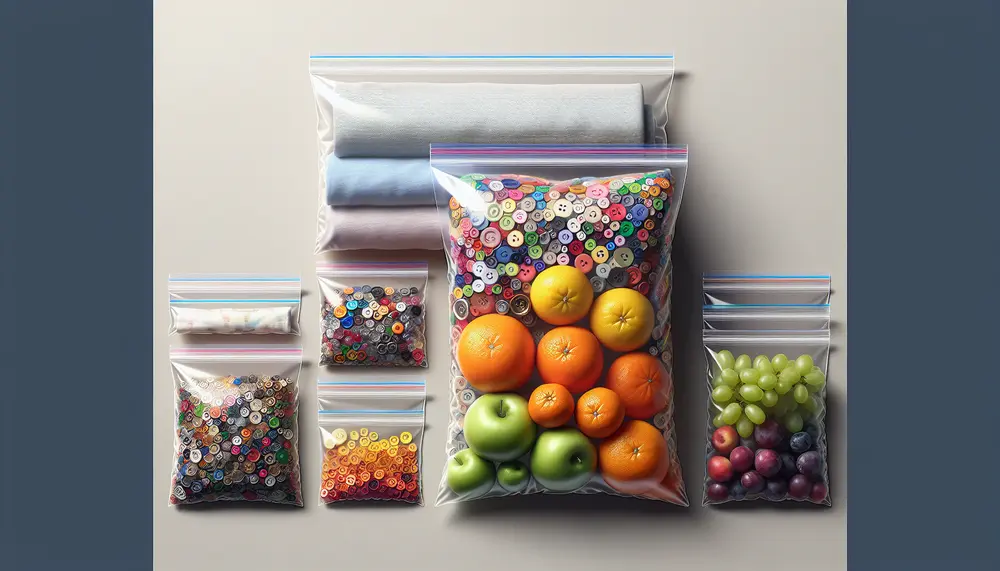
Resealable closures represent one of the highest-value functional upgrades available across food, pharmaceutical, and hardware categories. Zipper-style closures have evolved well beyond the basic food bag, now appearing in medical device packaging, retail apparel pouches, and subscription box formats where the reseal function reinforces perceived value and extends product freshness. The key specification challenge is matching closure force — the resistance required to open and reseal — with the target user's dexterity profile, particularly for elderly demographics or children's products.
Functional design elements extend beyond openings. Consider:
- Integrated handles — die-cut carry handles in corrugated cases reduce secondary packaging needs entirely
- Ventilation patterns — microperforated films for fresh produce extend shelf life by 3–7 days through controlled atmosphere management
- Dispensing geometry — angled spouts, dosing chambers, and flow-restrictor inserts that reduce product waste and improve dosage consistency
- Stackability features — recessed bases, interlocking ribs, and ledge profiles that stabilize shelf displays without additional fixtures
Every structural decision ultimately connects back to the core packing parameters that govern how geometry, material weight, and fill volume interact. Changes to wall thickness affect compression strength. Changes to base geometry affect filling line speeds. A 2mm adjustment in shoulder radius can mean the difference between a package that runs at 400 units per minute and one that jams continuously. Structural innovation without manufacturing validation is simply expensive concept art.
Sustainability Strategies and Eco-Friendly Material Choices in Modern Packaging
Sustainability has moved far beyond a marketing checkbox — it now drives fundamental decisions in material sourcing, structural design, and supply chain logistics. The EU Packaging and Packaging Waste Regulation (PPWR), set to reshape compliance requirements by 2030, mandates that all packaging must be recyclable, and virgin plastic use must be significantly reduced. Brands that treat these requirements as a last-minute constraint rather than a design opportunity are already behind. The most competitive packaging strategies embed sustainability from the very first concept sketch.
Material Selection: Beyond the "Recyclable" Label
Choosing sustainable materials requires understanding the entire lifecycle — not just end-of-life recyclability. Post-consumer recycled (PCR) content is currently one of the most impactful levers: using 30% PCR resin in a standard PET bottle reduces carbon emissions by approximately 30% compared to virgin plastic. Companies like Unilever and L'Oréal have committed to 50% PCR content across their packaging portfolios by 2025, pushing supplier innovation across the entire industry. If you're designing packaging with environmental impact in mind, material selection and structural efficiency must be optimized together, not independently.
Beyond recycled plastics, the material landscape now includes genuinely viable alternatives:
- Mono-material flexible packaging — replaces multi-layer laminates that are practically unrecyclable; brands like Nestlé have already launched mono-PE pouches for several product lines
- Molded fiber and pulp — expanding beyond egg cartons into electronics and cosmetics; Apple's move away from polystyrene to molded fiber inserts set a visible industry benchmark
- Bio-based plastics (PLA, PHA) — useful in closed-loop or industrial composting systems, but misapplied when sent to conventional recycling streams
- Lightweight glass and aluminum — both infinitely recyclable with minimal quality degradation; aluminum recycling uses 95% less energy than primary production
Design Strategies That Reduce Waste Structurally
Right-sizing packaging is one of the highest-ROI sustainability moves available. Amazon's Frustration-Free Packaging program demonstrated that eliminating oversized boxes reduces dimensional weight charges and cuts corrugate use by up to 40% for certain SKUs. Structural redesign — thinner walls, elimination of unnecessary secondary packaging, replacing rigid containers with refillable formats — often delivers cost savings alongside measurable emissions reductions. Brands entering the pharmaceutical sector face particularly complex trade-offs between protection requirements and environmental goals, a challenge explored in depth when reducing environmental impact in regulated pharma packaging without compromising barrier performance or patient safety.
Ink and coating choices matter more than most designers initially realize. Water-based coatings and UV-curable inks maintain recyclability of fiber-based substrates, while solvent-based and high-gloss UV varnishes can contaminate paper recycling streams and reduce fiber recovery rates. Deinkability testing — using INGEDE Method 11 as an industry standard — should be part of any responsible print specification process.
Monitoring where forward-thinking brands are heading with sustainable packaging innovation reveals a clear pattern: the leaders are combining material reduction, refill-and-reuse models, and digital transparency tools like QR-linked lifecycle data into cohesive systems — not treating each sustainability tactic as a standalone initiative. The brands gaining the most ground aren't just switching materials; they're rethinking what packaging needs to do in the first place.
FAQ about Packaging Design Essentials
What is the role of packaging design in marketing?
Packaging design serves as a crucial marketing tool that influences consumer purchasing decisions by conveying brand identity, product information, and emotional connections.
How does packaging affect consumer behavior?
Studies show that about 72% of purchasing decisions are influenced by packaging. Consumers often form first impressions in less than a second based on visual elements and overall design.
What are the key elements of effective packaging design?
Key elements include visual hierarchy, material selection, structural integrity, and typographic clarity. These factors contribute to how well the packaging communicates the brand message and engages the consumer.
How important is sustainability in packaging design?
Sustainability is increasingly crucial, with consumers preferring brands that use eco-friendly materials and practices. Integrating sustainable design can enhance brand loyalty and meet regulatory standards.
What is the packaging design process?
The packaging design process typically involves stages such as brief development, research, concept generation, refinement, prototyping, and final production, ensuring alignment between brand strategy and execution.