
Table of Contents:
General Ideas
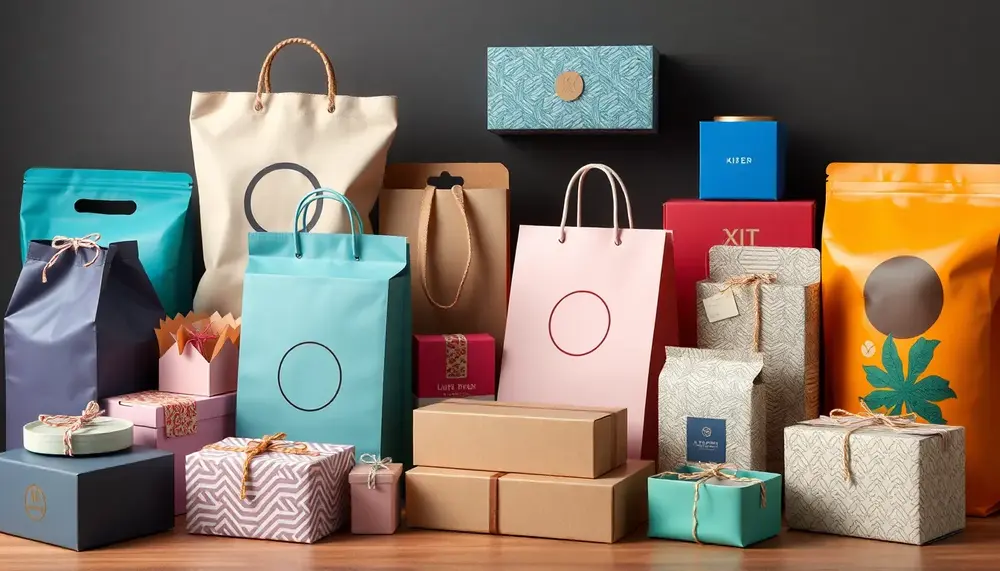
When it comes to packaging design, the right ideas can transform a simple product into an eye-catching masterpiece. With over 280 creative packaging ideas available, the options are nearly limitless. This collection serves as a treasure trove for anyone looking to enhance their product's visual appeal and market presence.
Consider the following key aspects when exploring packaging ideas:
- Innovative Concepts: Think outside the box! Unique shapes and structures can make your packaging stand out on the shelf.
- Eco-Friendly Solutions: Sustainability is not just a trend; it's a necessity. Use biodegradable materials and designs that minimize waste.
- Storytelling Through Design: Your packaging should tell a story. Incorporate elements that reflect your brand's identity and values.
- Functional Features: Consider usability alongside aesthetics. Packaging that enhances the customer experience can lead to increased satisfaction and loyalty.
- Market Trends: Stay updated with current design trends. Bold colors, minimalist aesthetics, and retro designs are often popular among consumers.
These ideas serve not just as inspiration but also as a guide to creating effective packaging solutions that resonate with your target audience. Embrace creativity and let your packaging reflect the uniqueness of your product.
Packaging Types and Designs
Packaging types and designs play a crucial role in how products are perceived and how effectively they reach consumers. Each category has unique characteristics that cater to specific markets and consumer needs. Here’s a breakdown of some popular packaging types and their design considerations:
- Pet Food Packaging: Brands like PetPlate by Aruliden showcase how packaging can reflect pet branding and food quality. The focus here is on durability and convenience, ensuring that the packaging is not only appealing but also functional for both pet owners and pets.
- Beauty and Personal Care Products: Packaging for products like Lumiere Perfume and Reva Skincare emphasizes elegance and luxury. These designs often incorporate sleek shapes and high-quality materials that communicate sophistication, appealing to consumers looking for premium products.
- Bakery Packaging: For baked goods, such as those from Adriana's Bakery, the design should evoke freshness and warmth. Utilizing windowed boxes or vibrant colors can help showcase the products inside, making them more enticing to potential buyers.
- Chocolate Packaging: Brands like Gotham Chocolates use artistic designs that reflect the richness of their handmade chocolates. Unique shapes, textures, and graphics can elevate the perceived value and create a memorable unboxing experience.
- Lip Balm Packaging: Products like Poppy and Pout highlight the importance of fun and playful designs. Bright colors and whimsical shapes can attract younger consumers, while eco-friendly materials can appeal to environmentally conscious buyers.
Understanding these different types of packaging and their design elements can inspire brands to create packaging that not only protects the product but also enhances its marketability. By aligning the packaging design with the product's identity and target audience, brands can significantly improve their chances of standing out in a competitive marketplace.
Pros and Cons of Creative Packaging Design Ideas
| Pros | Cons |
|---|---|
| Enhances product visibility on the shelf | Can increase production costs due to innovative materials |
| Creates a unique brand identity | May require extensive market research to align with consumer preferences |
| Encourages consumer engagement and emotional connection | Trends may change quickly, making some designs obsolete |
| Can highlight sustainability and eco-friendliness | Overly complex designs may confuse consumers |
| Increases perceived product value | Time-consuming to develop and test innovative packaging solutions |
Pet Food Packaging
Pet food packaging has evolved significantly to meet the needs of pet owners and their furry companions. It's not just about protecting the product anymore; it's also about creating a strong brand identity and appealing to consumers' emotions. The right packaging can enhance the perceived quality of the food and foster trust in the brand.
Here are some key aspects to consider when designing pet food packaging:
- Material Selection: Using materials that are both durable and safe for pets is crucial. Packaging should protect the food from moisture and pests while being easy to open for pet owners.
- Clear Labeling: Transparency is key. Including clear nutritional information and ingredient lists helps pet owners make informed choices. Consider using bold fonts and colors to ensure readability.
- Visual Appeal: Eye-catching graphics and images of happy pets can attract attention on the shelves. The design should reflect the product's qualities, whether it's organic, grain-free, or high-protein.
- Convenience Features: Features such as resealable bags or easy-pour spouts can enhance user experience. Packaging that is easy to handle can lead to higher customer satisfaction.
- Brand Storytelling: Incorporate elements that tell a story about the brand's values. Whether it's highlighting sustainability efforts or showcasing local sourcing, storytelling can create a deeper connection with consumers.
By focusing on these elements, brands can create pet food packaging that not only protects the product but also resonates with consumers, ultimately driving sales and building loyalty. The design should reflect the love and care that pet owners have for their pets, ensuring that the packaging feels as good as the product inside.
Beauty and Personal Care Products
In the realm of beauty and personal care products, packaging design is not merely functional; it serves as a powerful tool for brand storytelling and consumer engagement. Products like Lumiere Perfume and Reva Skincare exemplify how thoughtful packaging can enhance the overall experience for consumers. Here are some critical elements to consider when designing packaging for this category:
- Aesthetic Appeal: The visual design should evoke emotions and reflect the essence of the product. Use elegant colors and textures that align with the brand's image to attract the target audience.
- Luxury Elements: Incorporating high-end materials, such as glass or metallic finishes, can elevate the perceived value of the product. This is particularly important for premium skincare and fragrance brands.
- Functional Design: Ensure that the packaging is easy to use and enhances the product experience. Features such as pumps, droppers, or airless containers can improve usability and minimize waste.
- Eco-Conscious Choices: As consumers become more environmentally aware, using sustainable materials and minimalistic designs can resonate well. Highlighting these efforts on the packaging can also build brand loyalty.
- Interactive Elements: Consider adding QR codes or augmented reality features that link to tutorials or brand stories. This can engage consumers further and deepen their connection with the brand.
By integrating these elements, brands can create packaging that not only protects and preserves the product but also captivates consumers. In a highly competitive market, the right packaging can significantly influence purchase decisions and foster brand loyalty.
Bakery Packaging
Bakery packaging is essential for creating an inviting presentation that reflects the quality and freshness of baked goods. With products like those from Adriana's Bakery, effective packaging not only preserves the items but also enhances the overall customer experience. Here are several key elements to consider for bakery packaging:
- Freshness Preservation: Using materials that keep products fresh is vital. Options like resealable bags or boxes with airtight seals help maintain the quality of bread, pastries, and cakes, ensuring they arrive at the consumer in optimal condition.
- Visual Appeal: The design should be visually enticing. Bright colors, playful graphics, and images of the baked goods can stimulate appetite and attract customers. Consider incorporating elements that highlight the bakery's unique offerings, such as seasonal items or signature flavors.
- Eco-Friendly Options: As sustainability becomes more important to consumers, using biodegradable or recyclable materials can enhance the brand's reputation. Packaging that showcases these eco-friendly practices can appeal to environmentally conscious shoppers.
- Branding Consistency: Packaging should reflect the bakery's overall branding. Consistent use of logos, colors, and typography reinforces brand identity and helps customers easily recognize the products on the shelves.
- Functional Design: The packaging should be easy to open and handle. Features like easy-carry handles or windows that showcase the product can improve usability while adding to the aesthetic appeal.
By focusing on these aspects, bakeries can create packaging that not only protects their delicious creations but also entices customers and strengthens brand loyalty. Effective bakery packaging serves as a crucial touchpoint in the consumer's journey, making it an essential element of the overall marketing strategy.
Chocolate Packaging
Chocolate packaging is a vital aspect of branding and consumer attraction in the confectionery market. A well-designed package not only protects the product but also communicates the brand's essence and quality. For brands like Gotham Chocolates, innovative packaging can significantly enhance the overall consumer experience. Here are some crucial elements to consider when creating chocolate packaging:
- Visual Storytelling: Chocolate packaging should tell a story that resonates with the target audience. This can be achieved through the use of unique illustrations, storytelling elements, and an overall aesthetic that reflects the brand's values, whether it's artisanal craftsmanship or luxury indulgence.
- Material Choices: The choice of materials is critical in chocolate packaging. Options like foil wraps, textured papers, or eco-friendly materials can elevate the perceived quality of the product while also ensuring freshness. Consider how the packaging interacts with the chocolate itself, as it should protect against temperature changes and moisture.
- Innovative Shapes: Moving away from traditional rectangular boxes can grab consumer attention. Uniquely shaped packaging, such as hexagonal boxes or pyramid designs, can create a memorable unboxing experience and differentiate the product on crowded shelves.
- Seasonal and Limited Editions: Chocolate brands often capitalize on holidays and special occasions with themed packaging. Seasonal designs not only attract attention but also create a sense of urgency, encouraging consumers to purchase limited-edition items.
- Transparency and Sustainability: Increasingly, consumers are looking for brands that prioritize sustainability. Packaging that highlights environmentally friendly practices or showcases the sourcing of ingredients can appeal to conscious buyers and enhance brand loyalty.
By focusing on these aspects, chocolate brands can create packaging that not only protects and preserves their products but also captivates consumers and encourages repeat purchases. An effective chocolate packaging design is essential for standing out in a competitive market, ultimately leading to stronger brand recognition and customer satisfaction.
Lip Balm Packaging
Lip balm packaging plays a crucial role in attracting customers and conveying the product's qualities. A well-thought-out design not only protects the product but also enhances the consumer experience. For brands like Poppy and Pout, effective packaging can set them apart in a competitive market. Here are several important considerations for lip balm packaging:
- Size and Portability: Lip balms are often purchased for on-the-go use. Packaging should be compact and lightweight, making it easy for consumers to carry in their pockets or purses.
- Unique Application Features: Consider incorporating innovative applicators that enhance the user experience. Options like twist-up tubes or pots with a built-in applicator can provide convenience and ease of use.
- Color and Texture: The visual aspects of the packaging should reflect the flavor and essence of the product. Bright colors and fun textures can attract attention and convey the product's personality, making it more appealing to consumers.
- Brand Messaging: Use the packaging to communicate the brand's values, such as natural ingredients or cruelty-free practices. Clear messaging can resonate with consumers who prioritize ethical considerations in their purchasing decisions.
- Safety and Hygiene: Ensure that the packaging protects the product from contamination. Tamper-proof seals or inner liners can help maintain product integrity and assure consumers of safety.
By focusing on these elements, brands can create lip balm packaging that not only enhances the product's appeal but also builds consumer trust and loyalty. A thoughtful design can significantly influence purchasing decisions, making it an essential component of the overall branding strategy.
Packaging Inspirations
Packaging inspirations can be drawn from various sources, each offering unique perspectives and creative solutions. Exploring these inspirations can lead to innovative designs that captivate consumers and enhance product appeal. Here are some noteworthy packaging inspirations:
- Abstract Designs: Modern, colorful packaging designs often incorporate abstract patterns that catch the eye. These designs can create a sense of intrigue and elevate the product's aesthetic appeal, making it stand out on the shelf.
- Cereal Packaging: Minimalistic and contemporary approaches to cereal packaging focus on clean lines and simple graphics. This not only conveys a sense of freshness but also allows the product to be the star of the show, appealing to health-conscious consumers.
- Beer Packaging: Illustrative beer labels, like those created by Archana and Co, often tell a story about the brew itself. This artistic approach can attract craft beer enthusiasts who appreciate unique designs that reflect the brand's personality and brewing process.
- Milk Packaging: Projects involving milk cartons can draw inspiration from vintage designs, utilizing nostalgic elements to create a familiar and comforting feeling. This can resonate with consumers who appreciate tradition while seeking quality products.
By examining these diverse inspirations, brands can gain valuable insights into effective packaging strategies. Each example highlights the importance of creativity and relevance in design, ultimately leading to packaging that not only protects the product but also enhances the consumer experience.
Abstract Designs
Abstract designs in packaging have gained popularity for their ability to captivate and engage consumers through vibrant colors, unique shapes, and imaginative patterns. This approach allows brands to express their creativity while standing out in a crowded marketplace. Here are several key aspects of abstract designs that can inspire your packaging strategy:
- Bold Color Combinations: Utilizing unexpected color pairings can create a striking visual impact. Abstract designs often embrace bright and contrasting colors, which can evoke emotions and draw attention to the product.
- Dynamic Patterns: Patterns that are not strictly geometric or symmetrical can add a playful element to packaging. Swirls, splashes, and organic shapes can convey a sense of movement and energy, making the product more enticing.
- Unique Shapes: Departing from traditional packaging forms can make a product memorable. Abstract designs often experiment with unconventional shapes that intrigue consumers and encourage them to explore the product further.
- Artistic Collaboration: Partnering with artists or graphic designers can infuse fresh perspectives into packaging design. Collaborative efforts can lead to limited-edition designs that create buzz and attract collectors.
- Storytelling Through Art: Abstract designs can convey a narrative or theme that resonates with the brand's identity. This storytelling aspect can create a deeper connection with consumers, enhancing brand loyalty.
By incorporating abstract designs into packaging, brands can effectively communicate their unique identity and values. This approach not only enhances visual appeal but also fosters a memorable experience for consumers, ultimately influencing their purchasing decisions.
Cereal Packaging
Cereal packaging plays a significant role in attracting consumers and communicating the product's unique qualities. In a market filled with various options, effective packaging can set a brand apart and influence purchasing decisions. Here are some innovative considerations for cereal packaging:
- Minimalist Design: A clean and straightforward design can convey freshness and simplicity. By using bold typography and limited color palettes, brands can create a modern look that appeals to health-conscious consumers.
- Interactive Elements: Incorporating interactive features, such as games or puzzles on the box, can engage children and encourage parents to choose the product. This can enhance the overall breakfast experience and create a memorable connection with the brand.
- Health-Focused Messaging: Clear labeling that highlights nutritional benefits, such as whole grains or added vitamins, can attract health-conscious shoppers. Using icons or badges can make these benefits easily recognizable at a glance.
- Windowed Packaging: Transparent windows that showcase the cereal inside can build trust with consumers by allowing them to see the product. This approach can also enhance the visual appeal, especially for colorful or unique cereal shapes.
- Eco-Friendly Packaging: As sustainability becomes increasingly important, using recyclable or biodegradable materials can resonate with environmentally conscious consumers. Highlighting these efforts on the packaging can enhance brand loyalty.
By focusing on these aspects, cereal brands can create packaging that not only protects the product but also enhances its marketability. Thoughtful and innovative packaging design can significantly impact consumer choices, leading to increased sales and brand recognition.
Beer Packaging
Beer packaging is a crucial aspect of branding in the competitive beverage market. With a variety of breweries and craft beers available, effective packaging can significantly influence consumer choices and enhance brand identity. Here are some key elements to consider when designing beer packaging:
- Label Design: Illustrative beer labels, such as those created by Archana and Co, can tell a story about the beer's origins, ingredients, or brewing process. Artistic labels can create a unique identity and resonate with consumers looking for authenticity and craftsmanship.
- Material Choices: The selection of materials is vital for both aesthetics and functionality. Glass bottles, aluminum cans, and eco-friendly options each offer distinct advantages. For instance, cans are lightweight and easily recyclable, while glass bottles provide a premium feel.
- Seasonal and Limited Editions: Craft breweries often release seasonal or limited-edition beers with special packaging. Unique designs for these products can create excitement and urgency among consumers, encouraging them to purchase before they are gone.
- Color Psychology: The use of colors in beer packaging can evoke specific emotions and attract different demographics. Dark colors may suggest richness and depth, while bright colors can convey freshness and fun, appealing to a younger audience.
- Functional Features: Consider practical features such as easy-open tabs on cans or labels that are resistant to moisture. These elements enhance user experience and can influence purchasing decisions, especially for consumers on the go.
By focusing on these aspects, breweries can create beer packaging that not only protects the product but also captivates consumers. An innovative and thoughtful design can lead to increased brand recognition and customer loyalty, ultimately driving sales in a competitive marketplace.
Milk Packaging
Milk packaging is an essential component in the dairy industry, as it not only preserves the product's freshness but also communicates the brand's identity and values. Innovative designs can significantly enhance consumer appeal and influence purchasing decisions. Here are some noteworthy considerations for effective milk packaging:
- Functional Design: The packaging should facilitate easy pouring and storage. Features like a spout or a handle can improve usability, making it more convenient for consumers, especially in households with children.
- Transparent Elements: Incorporating transparent sections in the packaging allows consumers to see the product inside. This transparency can build trust and assure customers of the milk's quality.
- Size Variations: Offering various sizes of packaging can cater to different consumer needs, from single-serving containers to larger family-sized options. This flexibility can appeal to a broader audience.
- Brand Messaging: Clearly displaying the brand’s commitment to quality, organic sourcing, or local production can resonate with consumers looking for transparency and ethical practices. Utilizing labels to tell the brand story can enhance emotional connections.
- Sustainability: Increasingly, consumers are concerned about environmental impact. Using recyclable or biodegradable materials for milk cartons can attract eco-conscious buyers and demonstrate the brand's commitment to sustainability.
By focusing on these elements, milk brands can create packaging that not only protects the product but also engages consumers effectively. Thoughtful and innovative packaging design can lead to increased brand loyalty and a stronger market presence.
Design Concepts
Design concepts in packaging encompass a wide array of creative approaches that can enhance product visibility and consumer engagement. These concepts not only reflect the brand's identity but also resonate with target audiences. Here are some innovative design concepts to consider:
- Minimalist Designs: This concept focuses on simplicity, utilizing clean lines and a restrained color palette. Minimalist packaging can evoke a sense of elegance and modernity, appealing to consumers who appreciate understated aesthetics.
- Playful Designs: Incorporating whimsical elements such as vibrant colors and fun illustrations can create a sense of joy and excitement. This approach is particularly effective for products aimed at children or those looking for a light-hearted experience.
- Maximalist Design: In contrast to minimalism, maximalist design embraces bold patterns, intricate details, and a mix of textures. This style can attract attention and convey richness, making it suitable for luxury or artisanal products.
- Pop Art Influences: Drawing inspiration from the pop art movement, this concept incorporates bright colors, graphic imagery, and cultural references. This approach can create a striking visual impact, appealing to younger, trend-conscious consumers.
- Color Psychology: Utilizing specific colors can evoke emotions and influence consumer behavior. Understanding the psychology behind colors can help brands choose palettes that align with their messaging and target audience.
By exploring these diverse design concepts, brands can create packaging that not only protects the product but also effectively communicates their unique story and values. Thoughtful design can lead to increased consumer interest and brand loyalty, ultimately driving sales and enhancing market presence.
Minimalist Designs
Minimalist designs in packaging focus on simplicity and clarity, stripping away unnecessary elements to create a clean and elegant aesthetic. This approach resonates with consumers who appreciate modernity and functionality. Here are some key aspects and benefits of minimalist packaging designs:
- Clarity of Message: Minimalist packaging effectively communicates the brand's core message without distractions. This clarity helps consumers quickly understand the product's purpose and benefits.
- Timeless Appeal: The simplicity of minimalist designs often leads to a timeless quality, making them less susceptible to trends. This can result in a longer shelf life for the packaging and brand image.
- Focus on Quality: By reducing visual clutter, minimalist designs can highlight the quality of the product itself. Brands can emphasize premium materials or unique features, drawing attention to what truly matters.
- Eco-Friendly Options: Minimalism often aligns with sustainability, as it encourages the use of fewer materials and simpler production processes. This approach can appeal to environmentally conscious consumers who prioritize eco-friendly practices.
- Enhanced User Experience: Simple packaging can lead to a more intuitive user experience. Easy-to-open designs and straightforward labeling can make the product more accessible and enjoyable for consumers.
By adopting minimalist designs, brands can create packaging that not only looks sophisticated but also enhances the overall product experience. This approach fosters a connection with consumers who value simplicity, quality, and functionality in their purchasing decisions.
Use of Colors and Patterns
The use of colors and patterns in packaging design is a powerful tool that can significantly influence consumer perception and behavior. Thoughtfully chosen colors and patterns not only enhance aesthetic appeal but also convey messages about the brand and product. Here are several important considerations regarding the use of colors and patterns in packaging:
- Color Psychology: Different colors evoke specific emotions and associations. For instance, blue can convey trust and reliability, while red may stimulate excitement and appetite. Understanding these associations can help brands choose colors that resonate with their target audience.
- Brand Consistency: Utilizing a consistent color palette across various products reinforces brand identity. This consistency helps consumers quickly recognize the brand, fostering loyalty and trust.
- Contrast and Visibility: High contrast between colors can enhance readability and visibility on the shelf. This is especially important for text and important information, ensuring that consumers can easily identify the product and its benefits.
- Patterns as Visual Interest: Incorporating patterns can add depth and intrigue to packaging. Patterns can be used to reflect the product's characteristics, such as organic motifs for natural products or geometric shapes for modern items, helping to create a strong visual identity.
- Seasonal Variations: Brands can leverage colors and patterns to create seasonal or limited-edition packaging. This approach not only attracts attention but also encourages impulse purchases by creating a sense of urgency and novelty.
By strategically using colors and patterns, brands can enhance their packaging design, making it not only visually appealing but also effective in communicating their message and values. This thoughtful approach can lead to improved consumer engagement and ultimately drive sales.
Conceptual Approaches
Conceptual approaches in packaging design allow brands to differentiate themselves and convey unique messages to consumers. By adopting creative and innovative strategies, companies can enhance their branding and engage customers on a deeper level. Here are several conceptual approaches to consider:
- Maximalist Design: This approach embraces complexity and boldness, featuring intricate patterns, vibrant colors, and layered textures. Maximalist packaging can create a sense of luxury and extravagance, attracting consumers who appreciate richness and detail.
- Pop Art Influences: Incorporating elements of pop art can infuse packaging with a playful and contemporary vibe. This style often utilizes bright colors, bold graphics, and cultural references, appealing particularly to younger audiences who resonate with modern art movements.
- Story-Driven Design: Packaging can serve as a canvas for storytelling, where the design reflects the brand's narrative or heritage. This approach can create a stronger emotional connection with consumers, as they relate to the story behind the product.
- Interactive Packaging: Engaging consumers through interactive elements can enhance the overall experience. This could include augmented reality features, QR codes leading to additional content, or even tactile elements that invite touch and exploration.
- Artisan and Craft Aesthetics: Emphasizing handmade qualities can appeal to consumers seeking authenticity. Packaging that reflects artisanal craftsmanship, such as hand-drawn illustrations or organic materials, can evoke a sense of care and quality.
By exploring these conceptual approaches, brands can create packaging that not only protects their products but also captivates and engages consumers. A well-thought-out concept can enhance brand recognition and foster loyalty, ultimately driving sales in a competitive marketplace.
Value for the Reader
The value for the reader in exploring creative packaging design ideas lies in the wealth of inspiration and practical insights that can be applied to their own projects. By delving into diverse packaging examples from various industries, readers can discover innovative approaches that resonate with their brand identity and target market. Here are some key benefits:
- Diverse Inspirations: A collection of over 280 packaging ideas provides a broad spectrum of creative solutions, catering to different tastes and preferences. This variety allows readers to draw inspiration from multiple sources, enhancing their design processes.
- Practical Applications: The insights gained from analyzing successful packaging designs can help readers understand what works in real-world scenarios. This knowledge enables them to apply effective strategies to their own packaging projects.
- Trend Awareness: Staying updated on current trends in packaging design is crucial for maintaining relevance in the market. Readers can gain insights into popular styles, materials, and consumer preferences, allowing them to adapt their designs accordingly.
- Enhanced Brand Recognition: Learning about innovative packaging solutions can aid in creating a strong brand identity. Readers can leverage these insights to develop packaging that not only attracts attention but also communicates their brand's values and story.
- Increased Consumer Engagement: Effective packaging design can significantly enhance customer experience. By understanding how to create visually appealing and functional packaging, readers can foster deeper connections with their audience, leading to increased loyalty and sales.
In summary, the exploration of creative packaging design ideas provides invaluable insights that empower readers to elevate their branding efforts and improve consumer engagement. By applying these principles, they can create packaging that stands out in a competitive marketplace, ultimately driving success for their products.
App Inspiration
For those seeking further inspiration in packaging design, the accompanying app titled 50 Packaging Design Ideas to Elevate Your Product Branding serves as an invaluable resource. This app is designed to provide users with a rich variety of creative ideas and practical examples that can be applied to their own packaging projects. Here are some key features and benefits of the app:
- Diverse Examples: The app offers a wide range of packaging designs from various industries, allowing users to explore innovative solutions tailored to their specific needs.
- Interactive Features: Users can engage with the content through interactive elements, such as quizzes or design challenges, encouraging them to think creatively and apply what they learn.
- Search Functionality: The app includes a robust search feature, enabling users to easily find inspiration based on specific keywords, design styles, or product categories.
- Trend Updates: Regular updates ensure that users stay informed about the latest trends in packaging design, helping them to keep their ideas fresh and relevant in a rapidly evolving market.
- User Community: The app fosters a community where users can share their designs, exchange feedback, and collaborate on projects, creating a supportive environment for creative growth.
By utilizing this app, designers and brand managers can gain access to a wealth of knowledge and inspiration, enhancing their ability to create impactful and engaging packaging. This resource not only elevates individual projects but also contributes to the overall success of their brands in a competitive landscape.
Key Information
Key information regarding packaging design encompasses essential insights that can guide brands in creating effective and appealing packaging solutions. Understanding these elements is crucial for any brand looking to enhance its market presence. Here are some pivotal points:
- Target Audience Understanding: Identifying and understanding the target demographic is fundamental. Packaging should cater to the preferences, values, and lifestyles of the intended consumers to foster connection and loyalty.
- Regulatory Compliance: Different regions have specific regulations regarding packaging, especially for food and personal care products. Ensuring compliance with these regulations is vital to avoid legal issues and maintain consumer trust.
- Functional Considerations: Packaging must serve its primary purpose of protecting the product while being easy to use. Considerations such as ease of opening, resealability, and appropriate sizing can significantly impact consumer satisfaction.
- Cost Efficiency: Balancing quality and cost is essential. Brands should aim to find materials and designs that are not only visually appealing but also cost-effective to produce and distribute.
- Market Trends: Keeping abreast of the latest packaging trends can provide insights into consumer preferences and competitive strategies. This knowledge allows brands to innovate and adapt their packaging in line with evolving market demands.
By focusing on these key areas, brands can ensure that their packaging design not only attracts attention but also meets practical needs, thereby enhancing overall consumer experience and satisfaction.
Purpose of Packaging
The purpose of packaging extends far beyond mere containment; it plays a critical role in the overall marketing strategy of a product. Effective packaging serves multiple functions that contribute to the product's success in the market. Here are the primary purposes of packaging:
- Protection: Packaging safeguards the product from damage during transportation, handling, and storage. It ensures that the product remains intact and in good condition until it reaches the consumer.
- Preservation: Packaging helps to maintain the freshness and quality of food and perishable items. By using materials that provide a barrier to moisture, air, and light, brands can extend the shelf life of their products.
- Information Delivery: Packaging serves as a medium for conveying essential information about the product, such as ingredients, nutritional values, usage instructions, and safety warnings. This transparency builds consumer trust and informs purchasing decisions.
- Brand Identity: Packaging is a vital component of branding. It reflects the brand's image and values, helping to create a memorable impression. Distinctive packaging can differentiate a product from its competitors on the shelves.
- Consumer Engagement: Well-designed packaging can attract attention and encourage consumers to interact with the product. Engaging packaging can create an emotional connection, influencing brand loyalty and repeat purchases.
- Convenience: Packaging can enhance the usability of a product. Features such as resealable bags, easy-to-open designs, or portable containers improve the consumer experience, making it easier to use the product as intended.
By understanding these purposes, brands can design packaging that not only fulfills functional requirements but also enhances the overall consumer experience, ultimately driving sales and fostering brand loyalty.
Design Tips
Effective packaging design involves a combination of creativity and strategic thinking. Here are some essential design tips to enhance packaging and make it more appealing to consumers:
- Leverage Visual Hierarchy: Organize elements on the packaging to guide the consumer's eye. Use size, color, and placement to emphasize key information, such as the product name, benefits, or brand logo.
- Incorporate Texture: Adding tactile elements can create a more engaging experience. Consider using embossed lettering or textured finishes to enhance the sensory appeal of the packaging.
- Use Clear Typography: Choose fonts that are legible and align with the brand's personality. Ensure that important information stands out and is easy to read, even from a distance.
- Design for Sustainability: Opt for eco-friendly materials and processes. Highlighting sustainability on the packaging can attract environmentally conscious consumers and enhance the brand's reputation.
- Test and Iterate: Before finalizing the design, conduct consumer testing to gather feedback. This iterative process can provide insights into how the packaging is perceived and its effectiveness in communicating the desired message.
- Consider Shelf Impact: Design packaging that looks good on the shelf and catches the eye among competitors. Unique shapes or vibrant colors can help draw attention in retail environments.
By implementing these design tips, brands can create packaging that not only protects the product but also captivates consumers and enhances their overall experience. Thoughtful design decisions can ultimately lead to increased sales and brand loyalty.
Using Patterns
The use of patterns in packaging design can significantly enhance a product's visual appeal and brand identity. Patterns can create a memorable impression, attract attention, and convey essential messages about the product. Here are several key considerations for effectively incorporating patterns into packaging:
- Brand Identity Reflection: Patterns should align with the overall brand identity. Whether using geometric designs for a modern brand or floral patterns for a natural product, the choice of patterns can reinforce the brand's personality.
- Consistency Across Products: Utilizing a cohesive pattern across different product lines can strengthen brand recognition. This consistency helps consumers associate the pattern with the brand, enhancing loyalty and familiarity.
- Emotional Response: Certain patterns can evoke specific emotions or associations. For example, organic shapes may convey a sense of calm and nature, while bold, angular patterns might suggest energy and excitement. Understanding the emotional impact of patterns can guide effective design choices.
- Visual Hierarchy: Patterns can be used strategically to create a visual hierarchy. Subtle backgrounds can support the primary messaging, while bolder patterns can draw attention to key features or promotional elements on the packaging.
- Target Audience Appeal: Consider the preferences and interests of the target audience when selecting patterns. For instance, playful and colorful patterns may resonate with younger consumers, while sophisticated designs might appeal to a more mature demographic.
By thoughtfully integrating patterns into packaging design, brands can create visually striking and meaningful packaging that resonates with consumers. The right patterns not only enhance aesthetic appeal but also reinforce the brand's message and values, ultimately influencing purchasing decisions.
Utilizing All Available Surfaces
Utilizing all available surfaces in packaging design is a strategic approach that enhances the overall consumer experience and maximizes branding opportunities. By creatively using every inch of the packaging, brands can convey more information, engage customers, and create a lasting impression. Here are some effective ways to leverage all surfaces:
- Interior Decoration: Decorating the inside of packaging can provide an unexpected delight for consumers. This could include printed patterns, inspirational messages, or even product information that is revealed upon opening, enhancing the unboxing experience.
- Multi-Functional Packaging: Consider designs that serve more than one purpose. For example, a box that transforms into a display stand or a container that can be reused can add value and encourage consumers to keep the packaging longer.
- Informative Surfaces: Use all surfaces to share essential product information, such as usage instructions, ingredients, or brand stories. This helps consumers make informed decisions and can differentiate the product in a competitive market.
- QR Codes and Augmented Reality: Incorporating QR codes on various surfaces can lead consumers to additional content, such as videos, tutorials, or interactive experiences. This not only enriches the customer experience but also engages tech-savvy audiences.
- Seasonal or Themed Designs: Brands can change their packaging designs based on seasons or events, utilizing all surfaces to create a cohesive theme. This can attract attention and encourage impulse purchases during specific times of the year.
By effectively utilizing all available surfaces, brands can create packaging that is not only functional but also engaging and informative. This thoughtful approach can enhance brand loyalty and encourage repeat purchases, ultimately leading to greater success in the marketplace.
Simple Designs
Simple designs in packaging play a pivotal role in creating an effective and memorable product presentation. By focusing on minimalism and clarity, brands can communicate their message without overwhelming consumers. Here are some key benefits and strategies for implementing simple designs:
- Enhanced Clarity: Simple designs allow consumers to quickly understand the product and its benefits. By minimizing clutter and focusing on essential elements, brands can convey their message more effectively.
- Timeless Appeal: Simple designs often possess a classic quality that transcends trends. This timelessness can lead to longer-lasting brand recognition and consumer loyalty, as the packaging remains relevant over time.
- Cost-Effectiveness: Reducing complexity in packaging design can lead to lower production costs. Simple designs often require fewer materials and less intricate printing processes, making them more economical.
- Focus on Quality: A minimalist approach can draw attention to the quality of the product itself. When the design is understated, consumers may perceive the product as premium or artisanal, enhancing its appeal.
- Versatile Applications: Simple designs can be adapted across various product lines, creating a cohesive brand identity. This versatility allows brands to maintain consistency while appealing to diverse consumer preferences.
By embracing simple designs, brands can create packaging that is not only aesthetically pleasing but also functional and effective in conveying their message. This approach can significantly enhance consumer engagement and drive sales, making it a valuable strategy in the competitive landscape of packaging design.
Focus on Experience
Focusing on experience in packaging design is essential for creating a memorable and engaging interaction between the consumer and the product. An enhanced experience can lead to increased customer satisfaction and loyalty. Here are several strategies to prioritize the consumer experience through packaging:
- Interactive Elements: Incorporating features such as QR codes or augmented reality can engage consumers beyond the physical product. These elements can lead to additional content, tutorials, or even interactive games that create a deeper connection with the brand.
- Unboxing Experience: The moment a consumer opens the packaging is crucial. Thoughtful design can make this experience enjoyable, from the visual appeal of the packaging to the tactile sensations of opening it. Consider using custom inserts or tissue paper that adds an element of surprise and delight.
- Functional Design: Packaging should not only look good but also enhance usability. Features like resealable closures, easy-pour spouts, or compartments can make the product easier to use, thereby improving the overall experience.
- Storytelling Through Packaging: Use the packaging as a medium to tell the brand's story or share the product's journey. This narrative can resonate with consumers on an emotional level, making them feel more connected to the product and the brand.
- Sensory Engagement: Engage multiple senses through the packaging. Consider incorporating scents, textures, or even sounds that enhance the overall experience. For example, a soft-touch finish or a pleasant aroma can create a memorable interaction with the product.
By prioritizing the consumer experience in packaging design, brands can create a lasting impression that goes beyond the product itself. This focus not only enhances satisfaction but also encourages repeat purchases and builds strong brand loyalty.
Complementing the Product
Complementing the product through packaging design is a crucial aspect that enhances the overall consumer experience and reinforces the product's identity. When packaging effectively complements the product, it can elevate the perceived value and create a stronger connection with the consumer. Here are some strategies to ensure that packaging complements the product:
- Highlighting Key Features: The packaging should emphasize the product's unique attributes. For example, if a skincare product contains natural ingredients, the packaging can feature earthy colors and textures that reflect this quality, reinforcing the product's message.
- Creating a Cohesive Brand Story: Packaging should align with the brand's overall narrative. This means using design elements, colors, and typography that reflect the brand's personality, helping consumers feel more connected to the product and its values.
- Functional Design: Packaging should enhance the usability of the product. For instance, a spill-proof cap on a beverage container not only protects the product but also improves the consumer's experience, making it more convenient to use.
- Visual Appeal: The aesthetics of the packaging should attract consumers while complementing the product itself. For instance, luxurious packaging for a high-end chocolate brand can convey indulgence and quality, making it more appealing to consumers.
- Transparency and Authenticity: Packaging that allows consumers to see the product inside can create trust. Clear or windowed packaging can be particularly effective for food items, as it showcases freshness and quality, reinforcing the product's appeal.
By effectively complementing the product through thoughtful packaging design, brands can enhance consumer satisfaction and loyalty. This alignment not only helps in communicating the product's value but also contributes to a memorable brand experience that encourages repeat purchases.
Playful Design
Playful design in packaging is an engaging approach that captures attention and invites interaction. This style often incorporates bright colors, whimsical illustrations, and fun shapes that appeal to consumers, particularly in categories like food, beverages, and personal care products. Here are some strategies to effectively implement playful design:
- Vibrant Color Palettes: Utilizing bold and lively colors can evoke a sense of joy and excitement. Bright hues can attract attention and create a positive emotional response, encouraging consumers to pick up the product.
- Whimsical Illustrations: Incorporating playful illustrations can add character and personality to the packaging. This can include cartoonish designs, playful mascots, or imaginative scenarios that resonate with the target audience, particularly children and families.
- Unique Shapes: Experimenting with unconventional shapes can enhance the playful aspect of packaging. For example, a container shaped like a character or an animal can create a memorable experience and differentiate the product from competitors.
- Interactive Features: Adding elements that encourage consumer interaction can enhance the playful nature of the packaging. This could include peel-off stickers, games, or puzzles that engage consumers and provide an enjoyable experience beyond just the product.
- Storytelling Through Design: Playful packaging can tell a story that resonates with consumers. This could involve a narrative that unfolds through the packaging design, making the product more relatable and fostering a connection with the audience.
By embracing playful design, brands can create packaging that not only attracts attention but also fosters a fun and engaging experience for consumers. This approach can lead to increased brand loyalty and drive sales, making it an effective strategy in today’s competitive marketplace.
Being Bold
Being bold in packaging design is about taking risks and making a statement that captures attention. Bold designs can differentiate products in a crowded market and create a strong visual impact that resonates with consumers. Here are some effective strategies for implementing bold design elements:
- Vibrant Colors: Utilizing bright, saturated colors can create an eye-catching effect that draws consumers in. Bold color choices can evoke emotions and establish a strong brand identity, making the product memorable.
- Unique Typography: Experimenting with unconventional fonts and sizes can add personality to the packaging. Using oversized type or playful lettering can enhance brand recognition and make key information stand out.
- Striking Imagery: Incorporating large, high-quality images or illustrations can convey the product's benefits and create visual interest. Bold graphics can communicate the brand's message quickly and effectively, appealing to consumers' senses.
- Asymmetrical Layouts: Breaking away from traditional symmetrical designs can create a dynamic and modern look. Asymmetrical layouts can guide the viewer's eye and make the packaging feel more energetic and engaging.
- Layered Textures: Combining different textures or finishes, such as matte and glossy elements, can add depth and intrigue to the packaging. This tactile approach can enhance the overall experience and invite consumers to engage with the product.
By embracing bold design choices, brands can create packaging that not only stands out on the shelves but also reinforces their identity and values. A bold approach can lead to increased consumer interest, driving sales and fostering brand loyalty in a competitive landscape.
Conclusion
In conclusion, effective packaging design is a vital component of successful branding that attracts customers and significantly influences purchasing decisions. By incorporating innovative ideas, understanding the purpose of packaging, and utilizing various design concepts, brands can create visually appealing and functional packaging that resonates with consumers.
As we have explored, packaging serves multiple roles—from protecting the product to communicating brand values and enhancing the overall consumer experience. It is essential for brands to stay informed about current trends and to continually seek inspiration, whether through creative examples or technological advancements.
Ultimately, investing in thoughtful packaging design can lead to increased brand loyalty, higher sales, and a stronger market presence. By embracing creativity and focusing on the needs and preferences of consumers, brands can ensure their packaging not only stands out but also enhances the overall product experience.
FAQs on Creative Packaging Design Ideas
What are some innovative packaging design ideas?
Innovative packaging design ideas can include eco-friendly materials, unique shapes, interactive elements, and designs that tell a story about the brand. These approaches not only attract consumers but also enhance the overall experience.
How important is packaging design for brand identity?
Packaging design is crucial for brand identity as it reflects the brand's values and personality. Effective packaging can differentiate a product from competitors and create a memorable impression on consumers.
What role do colors play in packaging design?
Colors in packaging design are essential for conveying emotions and attracting attention. Different colors evoke specific associations, influencing consumers' perceptions and decisions to purchase a product.
How can sustainable packaging benefit brands?
Sustainable packaging can benefit brands by appealing to environmentally conscious consumers, reducing waste, and enhancing brand reputation. It demonstrates a commitment to social responsibility and can lead to increased customer loyalty.
What are the trends in packaging design currently?
Current trends in packaging design include minimalism, bold colors, retro aesthetics, interactive features, and personalization. Brands are increasingly focusing on user experience and visual storytelling to engage consumers.