
Table of Contents:
Introduction
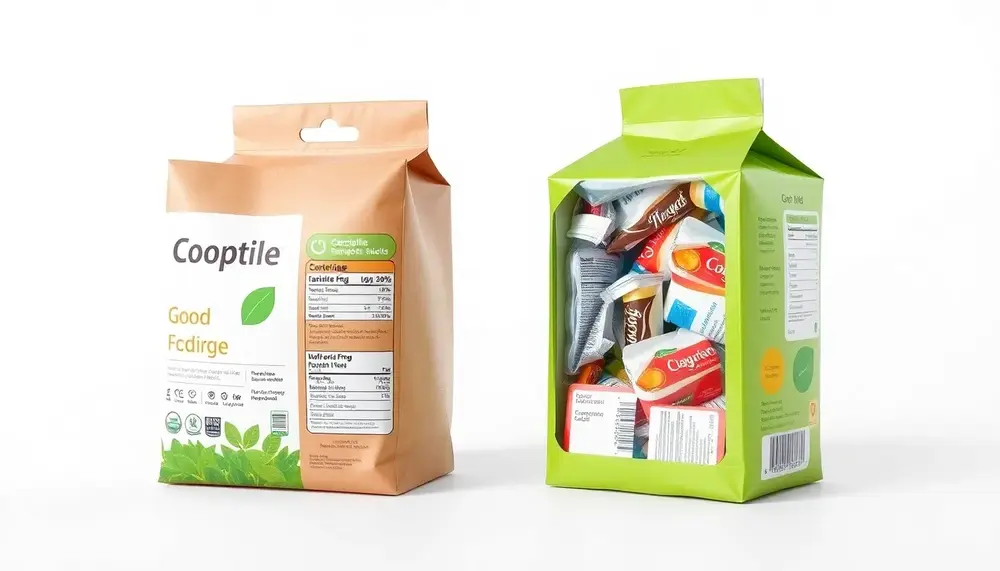
Packaging is more than just a protective layer; it serves as a storyteller and a brand ambassador. In a marketplace overflowing with choices, the packaging of a product can significantly influence consumer perception and decision-making. When done right, packaging captures attention, conveys brand values, and fosters loyalty. However, poor packaging design can lead to missed opportunities and create a disjointed experience for the consumer.
The importance of packaging extends beyond aesthetics. It plays a crucial role in branding, marketing, and even legal considerations regarding intellectual property. A well-designed package can enhance a brand's visibility and integrity, while a poorly executed one can damage its reputation and market position.
This article aims to dissect the elements that differentiate good packaging from bad packaging. By understanding these distinctions, businesses can make informed decisions that not only protect their products but also enhance their brand image and appeal to consumers. Let's explore the characteristics that define effective packaging and the pitfalls to avoid.
The Importance of Packaging
The significance of packaging in today's consumer landscape cannot be overstated. It serves as the first point of contact between a product and its potential buyer, making it a critical element in the marketing mix. Effective packaging not only protects the product but also communicates essential information and brand values, influencing consumer perceptions and decisions.
One of the primary roles of packaging is to enhance the product's visibility on crowded shelves. In a retail environment filled with competing brands, an eye-catching package can draw attention and entice customers to choose one product over another. This visual appeal is often the deciding factor in a consumer's purchasing journey.
Moreover, packaging plays a vital role in conveying brand identity. It acts as a canvas for storytelling, allowing brands to express their values, mission, and personality. A well-crafted package can create an emotional connection with consumers, fostering brand loyalty and repeat purchases.
Additionally, packaging must meet practical requirements. It should ensure the safety and integrity of the product during transportation and storage. This functionality is crucial, as damaged goods can lead to customer dissatisfaction and loss of trust in the brand.
In an era where sustainability is increasingly important, the choice of packaging materials also reflects a brand's commitment to environmental responsibility. Consumers are more inclined to support brands that prioritize eco-friendly packaging solutions, making this aspect a significant consideration in packaging design.
In summary, packaging is not merely a protective layer; it is a strategic asset that can enhance brand perception, influence buying behavior, and contribute to overall market success. Understanding its importance is essential for businesses aiming to thrive in a competitive marketplace.
Comparison of Effective and Ineffective Packaging
| Aspect | Good Packaging | Bad Packaging |
|---|---|---|
| Functionality | Protects the product effectively and is user-friendly | Fails to protect the product adequately, leading to potential damage |
| Sustainability | Utilizes eco-friendly materials and practices | Relies on non-recyclable or harmful materials |
| Aesthetic Appeal | Visually appealing and aligns with brand identity | Cluttered and inconsistent design, lacking visual appeal |
| Cost Efficiency | Balances quality and cost, minimizing waste | High costs without added value and inefficient use of materials |
| Clear Communication | Conveys essential product information clearly | Confusing or unclear information that frustrates consumers |
| Brand Differentiation | Stands out in the market, enhancing recognition | Blends in with competitors, lacking distinctiveness |
| Emotional Connection | Tells a compelling brand story, fostering loyalty | Fails to create an emotional bond, leading to disconnection |
Characteristics of Good Packaging
Good packaging is essential for a product's success in the marketplace. It encompasses various characteristics that not only protect the product but also enhance its appeal and functionality. Here are some key characteristics of effective packaging:
- Functionality: Good packaging must ensure that the product is protected from external factors such as moisture, light, and physical damage. It should also be user-friendly, allowing consumers to open, use, and store the product with ease.
- Sustainability: In today’s eco-conscious market, sustainable packaging is a significant factor. Utilizing recyclable or biodegradable materials not only reduces environmental impact but also appeals to consumers who prioritize eco-friendly practices.
- Aesthetic Appeal: The visual design of packaging should resonate with the target audience. This includes the use of appropriate colors, typography, and imagery that align with the brand identity and attract potential buyers.
- Cost Efficiency: Packaging should be economically viable, balancing production and transportation costs without compromising quality. Efficient use of materials can lead to reduced waste and lower overall expenses.
- Brand Differentiation: Effective packaging helps a product stand out in a crowded market. Unique designs and innovative features can create a memorable impression, setting the brand apart from competitors.
- Clear Communication: Packaging should convey essential information clearly, including product details, usage instructions, and brand messaging. This transparency builds trust and helps consumers make informed decisions.
- Emotional Connection: Good packaging tells a story that resonates with consumers. It can evoke emotions and create a sense of connection between the brand and the customer, fostering loyalty and repeat purchases.
In summary, good packaging is a multifaceted aspect of product marketing that combines functionality, sustainability, aesthetics, and effective communication. By focusing on these characteristics, brands can enhance their market presence and build lasting relationships with consumers.
Functionality and Usability
Functionality and usability are critical components of good packaging design. They ensure that the packaging not only protects the product but also enhances the user experience. Here are some essential aspects to consider:
- Ease of Opening: Packaging should be designed for convenience. Consumers appreciate packaging that is easy to open without requiring excessive force or tools. This is particularly important for products aimed at children or the elderly, who may struggle with complicated seals or closures.
- Reusability: Good packaging can often be reused for other purposes. For example, jars and containers that can be repurposed for storage encourage consumers to keep them, enhancing brand loyalty and reducing waste.
- Storage Efficiency: Packaging should facilitate easy storage. This means considering the dimensions and shape of the packaging to ensure it fits well in standard storage spaces, whether on shelves or in cabinets. Stackable designs can help maximize space.
- Clear Instructions: Usability is greatly enhanced when packaging includes clear instructions for use. Whether it’s how to open the package or how to use the product itself, clear and concise information helps prevent user frustration and ensures a positive experience.
- Safety Features: Packaging should incorporate safety measures, such as tamper-evident seals or child-resistant closures. These features not only protect the product but also provide peace of mind to consumers, knowing that the product is safe to use.
- Portability: For products intended for on-the-go consumption, packaging must be lightweight and easy to carry. Features like handles or resealable closures can enhance portability, making it more convenient for consumers to take products with them.
In summary, functionality and usability are paramount in packaging design. By focusing on these aspects, brands can create a positive user experience that encourages repeat purchases and fosters customer loyalty.
Sustainability in Packaging
Sustainability in packaging has become a pivotal concern for brands and consumers alike. As environmental awareness grows, companies are increasingly held accountable for their packaging choices. Sustainable packaging not only reflects a brand's commitment to the environment but also influences consumer purchasing decisions.
Here are some key aspects of sustainability in packaging:
- Material Selection: Brands are shifting towards using renewable, biodegradable, or recycled materials. Options like plant-based plastics, recycled paper, and glass are gaining popularity as they minimize environmental impact.
- Minimalism: Reducing the amount of packaging used is a significant trend. Brands are adopting minimalist designs that use less material while still providing adequate protection and functionality. This approach not only cuts costs but also appeals to eco-conscious consumers.
- Lifecycle Assessment: Companies are increasingly conducting lifecycle assessments to evaluate the environmental impact of their packaging from production to disposal. This comprehensive analysis helps identify areas for improvement and guides sustainable practices.
- Recyclability: Packaging that is easily recyclable encourages consumers to participate in recycling programs. Clear labeling on how to recycle packaging materials can enhance consumer engagement and promote responsible disposal.
- Innovative Solutions: Brands are exploring innovative packaging solutions, such as edible packaging or reusable containers, that challenge traditional concepts. These alternatives not only reduce waste but also create unique selling points for products.
- Consumer Education: Educating consumers about the importance of sustainable packaging is essential. Brands can use their packaging to communicate their sustainability efforts and encourage responsible behavior, fostering a deeper connection with their audience.
In conclusion, sustainability in packaging is not just a trend; it is a necessity in today's market. By prioritizing eco-friendly practices, brands can enhance their reputation, attract environmentally conscious consumers, and contribute positively to the planet.
Aesthetic Appeal and Design
Aesthetic appeal and design are crucial elements in packaging that can significantly influence consumer behavior. A well-designed package not only attracts attention but also communicates the brand's identity and values effectively. Here are some key aspects to consider:
- Color Psychology: Colors evoke emotions and can influence purchasing decisions. For instance, warm colors like red and orange can create a sense of urgency, while cool colors like blue and green often convey trust and calmness. Choosing the right color palette can enhance brand recognition and appeal to the target audience.
- Typography: The choice of fonts plays a vital role in conveying the brand's personality. Fonts should be legible and align with the brand's image. For example, a luxury brand might opt for elegant, serif fonts, while a modern brand might choose clean, sans-serif options. Typography can also guide the consumer's eye to important information.
- Imagery and Graphics: High-quality images and graphics can enhance the visual appeal of packaging. They should be relevant to the product and resonate with the target audience. Effective imagery can tell a story, evoke emotions, and create a connection with consumers.
- Consistency: Consistent design across all packaging and branding materials helps reinforce brand identity. This includes using the same color schemes, fonts, and imagery styles. Consistency builds familiarity and trust with consumers, making them more likely to choose the brand again.
- Innovative Shapes and Structures: Unique packaging shapes can stand out on the shelf and attract attention. Innovative designs can also enhance functionality, making products easier to use or store. For example, a bottle with an ergonomic shape may be more appealing and practical for consumers.
- Seasonal and Limited Edition Designs: Brands often create special packaging for seasonal promotions or limited edition products. These designs can create excitement and urgency, encouraging consumers to purchase before the opportunity passes. Seasonal themes can also enhance the emotional connection with the product.
In conclusion, aesthetic appeal and design are not just about making a product look good; they are integral to conveying the brand's message and enhancing consumer engagement. By focusing on these elements, brands can create packaging that not only attracts attention but also fosters loyalty and drives sales.
Cost Efficiency in Packaging
Cost efficiency in packaging is a crucial consideration for businesses aiming to maximize their profitability while maintaining product quality. Effective packaging strategies can significantly reduce costs without compromising the integrity of the product. Here are some important factors to consider:
- Material Selection: Choosing the right materials can lead to substantial cost savings. Lightweight materials can reduce shipping costs, while bulk purchasing of packaging supplies can lower overall expenses. Brands should evaluate the balance between cost and quality to ensure they are not sacrificing product protection for savings.
- Design Optimization: Streamlined packaging design can minimize material usage and waste. By utilizing advanced design techniques, companies can create packaging that is both functional and cost-effective. For example, designing packaging that requires fewer materials or is easier to assemble can lead to lower production costs.
- Supply Chain Efficiency: Collaborating with suppliers to optimize the supply chain can lead to reduced costs. This includes negotiating better rates for materials, improving logistics to decrease transportation expenses, and ensuring timely delivery to avoid production delays.
- Automation and Technology: Investing in automated packaging solutions can enhance efficiency and reduce labor costs. Technologies such as robotic packaging systems can speed up the packing process and minimize human error, leading to cost savings in the long run.
- Testing and Prototyping: Conducting thorough testing and prototyping of packaging designs can help identify potential issues before mass production. This proactive approach can prevent costly mistakes and ensure that the packaging meets both functional and aesthetic requirements.
- Lifecycle Cost Analysis: Evaluating the total cost of ownership for packaging materials—including production, transportation, and disposal—can provide insights into long-term savings. Brands that consider the entire lifecycle of their packaging can make more informed decisions that benefit their bottom line.
In summary, achieving cost efficiency in packaging involves a multifaceted approach that includes material selection, design optimization, and leveraging technology. By focusing on these areas, businesses can reduce expenses while still delivering high-quality products to consumers.
Characteristics of Bad Packaging
Bad packaging can significantly undermine a product's success and damage a brand's reputation. Understanding the characteristics of poor packaging is essential for businesses looking to avoid common pitfalls. Here are some key traits of bad packaging:
- Lack of Cohesion: Packaging that features inconsistent colors, fonts, or imagery can confuse consumers and dilute brand identity. This inconsistency can lead to a lack of trust and recognition among potential buyers.
- Cluttered Design: Overly complex packaging that is filled with unnecessary elements can obscure vital information. When consumers struggle to find essential details, they may become frustrated and choose a competitor's product instead.
- Poor Readability: Packaging that employs illegible fonts or poorly placed text can hinder communication. If consumers cannot easily read product information, they may feel uncertain about the product's quality or usage.
- Lack of Innovation: Relying on outdated packaging concepts can make a product seem stale or unappealing. Failing to adapt to current design trends can result in a lack of consumer interest and engagement.
- Ignoring Target Audience Needs: Packaging that does not consider the preferences and requirements of the target demographic can lead to missed opportunities. Understanding the audience is crucial for creating packaging that resonates with them.
- Ineffective Brand Storytelling: Packaging that fails to convey a clear narrative or message can leave consumers feeling disconnected from the brand. An unclear or unconvincing story can diminish the perceived value of the product.
- Poor Sustainability Practices: Using non-recyclable or environmentally harmful materials can alienate eco-conscious consumers. Brands that neglect sustainability may face backlash and lose market share to more responsible competitors.
- Poor Shelf Visibility: Packaging that does not stand out on retail shelves can lead to low visibility. If a product blends in with its surroundings, it may go unnoticed, resulting in lost sales opportunities.
In summary, bad packaging can have detrimental effects on a brand's image and consumer trust. By recognizing these characteristics, businesses can take proactive steps to improve their packaging strategies and enhance their market presence.
Insufficient Protection
Insufficient protection in packaging can lead to significant issues for both the product and the brand. When packaging fails to adequately safeguard its contents, it can result in damage during transportation, storage, or handling. Here are some critical aspects to consider regarding insufficient protection:
- Product Damage: Packaging that does not provide adequate cushioning or structural support can lead to breakage or spoilage. This is particularly crucial for fragile items, such as glass products or electronics, where even minor impacts can cause significant damage.
- Contamination Risks: Poorly sealed packaging can expose products to contaminants, such as moisture, dust, or pests. This is especially important for food and pharmaceutical products, where contamination can compromise safety and quality.
- Increased Returns: Products that arrive damaged due to insufficient protection can lead to higher return rates. This not only affects profitability but also impacts customer satisfaction and brand loyalty, as consumers may be reluctant to repurchase from a brand that delivers damaged goods.
- Negative Brand Perception: When consumers receive products in inadequate packaging, it can create a perception of low quality. This negative impression can tarnish the brand's reputation and diminish consumer trust, making it harder to compete in the market.
- Compliance Issues: Certain industries, such as food and pharmaceuticals, have strict regulations regarding packaging safety. Insufficient protection can lead to non-compliance with these regulations, resulting in legal repercussions and potential fines.
- Increased Costs: The need for additional protective measures, such as extra padding or specialized containers, can lead to increased packaging costs. While these measures may mitigate damage, they can also inflate overall production expenses.
In conclusion, ensuring adequate protection in packaging is essential for maintaining product integrity and brand reputation. By prioritizing protective features in packaging design, companies can enhance customer satisfaction and reduce the risks associated with product damage.
Unusable Designs
Unusable designs in packaging can severely hinder a product's usability and overall consumer satisfaction. When packaging is difficult to handle or impractical, it can lead to frustration and negative experiences for the user. Here are some critical aspects of unusable designs:
- Complex Opening Mechanisms: Packaging that requires excessive effort or complicated steps to open can deter consumers. For instance, clamshell packaging often necessitates scissors or tools, which can be inconvenient and even dangerous, particularly for children or elderly users.
- Poor Ergonomics: If the packaging is not designed with the user's comfort in mind, it can lead to awkward handling. For example, containers that are difficult to grip or pour from can result in spills and waste, frustrating consumers and diminishing their overall experience.
- Inadequate Instructions: Packaging that lacks clear, concise instructions can leave consumers confused about how to use the product effectively. This is particularly problematic for items that require specific handling or preparation, such as food products or electronics.
- Non-Resealable Features: Packaging that cannot be resealed after opening can lead to product spoilage or contamination. For perishable items, this can result in waste and dissatisfaction, as consumers may feel they cannot fully utilize the product.
- Inflexible Designs: Packaging that does not adapt to various storage conditions can be a significant drawback. For instance, rigid packaging that cannot fit into standard kitchen cabinets or refrigerators can lead to inconvenience and frustration for users.
- Overly Complicated Designs: Excessive embellishments or intricate shapes can detract from the primary function of the packaging. When the design overshadows usability, it can confuse consumers and lead to a negative perception of the product.
In summary, unusable designs in packaging can create barriers to product enjoyment and usage. By prioritizing user-friendly features and practical designs, brands can enhance consumer satisfaction and foster loyalty, ultimately leading to better market performance.
Environmental Impact of Packaging
The environmental impact of packaging is a pressing concern in today’s consumer-driven world. As awareness of sustainability grows, both consumers and businesses are increasingly scrutinizing the ecological footprint of packaging materials and practices. Here are some critical factors to consider regarding the environmental impact of packaging:
- Material Choices: The type of materials used in packaging significantly affects its environmental impact. Traditional plastics, for example, can take hundreds of years to decompose, contributing to landfill waste and ocean pollution. In contrast, biodegradable or compostable materials can reduce long-term environmental harm.
- Carbon Footprint: The production and transportation of packaging materials contribute to greenhouse gas emissions. Companies are encouraged to assess the carbon footprint of their packaging choices and consider local sourcing to minimize transportation-related emissions.
- Waste Generation: Excessive packaging leads to increased waste. Brands that prioritize minimalistic designs and efficient use of materials can significantly reduce the amount of waste generated, aligning with consumer preferences for sustainability.
- Recycling Infrastructure: The effectiveness of recycling programs varies by region. Packaging that is not easily recyclable or that requires complex sorting can end up in landfills. Brands should consider the recyclability of their packaging and advocate for improved recycling systems to enhance sustainability.
- Consumer Behavior: The environmental impact of packaging is also influenced by consumer habits. Educating consumers about proper disposal and recycling practices can encourage responsible behavior and increase recycling rates, ultimately reducing environmental harm.
- Life Cycle Assessment (LCA): Conducting a life cycle assessment helps brands understand the environmental impact of their packaging from production to disposal. This comprehensive analysis allows companies to identify areas for improvement and make informed decisions that benefit both the environment and their bottom line.
In summary, the environmental impact of packaging is a multifaceted issue that requires careful consideration of materials, production processes, and consumer behavior. By prioritizing sustainable practices, brands can reduce their ecological footprint and appeal to a growing segment of environmentally conscious consumers.
Inefficient Costs
Inefficient costs in packaging can significantly impact a company's bottom line. When packaging solutions are not well thought out, they can lead to increased expenses that affect overall profitability. Here are some key considerations regarding inefficient costs in packaging:
- Over-Engineering: Sometimes, packaging is designed with excessive features that add little value to the consumer. This over-engineering can inflate production costs without providing corresponding benefits, leading to wasted resources.
- High Material Costs: Using premium materials without a clear justification can drive up costs unnecessarily. Brands should evaluate whether the benefits of high-end materials outweigh the additional expenses, especially if more cost-effective alternatives can achieve similar results.
- Inadequate Supply Chain Management: Poorly managed supply chains can lead to higher transportation and storage costs. If packaging is bulky or inefficiently designed, it can result in increased shipping fees and require more storage space, further driving up costs.
- Frequent Redesigns: Constantly changing packaging designs can lead to increased costs in production and logistics. Frequent redesigns may also confuse consumers and dilute brand identity, making it essential to find a balance between innovation and consistency.
- Labor Inefficiencies: Packaging that is difficult to assemble or requires excessive handling can lead to higher labor costs. Streamlining the packaging process can reduce the time and effort needed for assembly, ultimately lowering labor expenses.
- Waste Management Costs: Inefficient packaging that generates excess waste can lead to higher disposal costs. Brands should consider how their packaging choices impact waste management and explore ways to minimize waste throughout the product lifecycle.
In conclusion, addressing inefficient costs in packaging is vital for maintaining profitability and competitiveness. By focusing on optimizing packaging design, material selection, and supply chain management, companies can reduce unnecessary expenses and enhance their overall operational efficiency.
The Impact of Packaging on Consumer Behavior
The impact of packaging on consumer behavior is profound and multifaceted. Packaging serves not only as a protective layer but also as a crucial touchpoint that influences how consumers perceive and interact with a product. Here are several ways in which packaging affects consumer behavior:
- First Impressions: Packaging is often the first interaction a consumer has with a product. An attractive and well-designed package can create a positive first impression, encouraging consumers to explore the product further. Conversely, unappealing packaging can lead to immediate disinterest.
- Perceived Value: The quality of packaging can significantly affect the perceived value of a product. Premium packaging materials and sophisticated designs can suggest higher quality, leading consumers to associate the product with luxury or superior performance. This perception can justify higher price points.
- Brand Recognition: Consistent and distinctive packaging helps reinforce brand identity. When consumers recognize a brand's packaging, they are more likely to choose it over competitors. This familiarity can foster loyalty and repeat purchases, as consumers often gravitate towards brands they know and trust.
- Emotional Connection: Packaging can evoke emotions and create a narrative around the product. For example, eco-friendly packaging can resonate with environmentally conscious consumers, while vibrant and playful designs may appeal to younger audiences. This emotional connection can enhance consumer engagement and loyalty.
- Decision-Making Process: Effective packaging can simplify the decision-making process for consumers. Clear labeling, informative graphics, and easy-to-understand instructions can help consumers make informed choices quickly, reducing the likelihood of choice overload and frustration.
- Social Influence: Packaging can also play a role in social sharing and word-of-mouth marketing. Eye-catching designs are more likely to be shared on social media platforms, increasing brand visibility and attracting new customers. Unique or innovative packaging can become a talking point among consumers.
- Practical Considerations: The functionality of packaging affects consumer satisfaction. If packaging is easy to open, resealable, or portable, it enhances the overall user experience. On the other hand, inconvenient packaging can lead to dissatisfaction and deter future purchases.
In summary, packaging has a significant impact on consumer behavior, influencing everything from first impressions to emotional connections and purchasing decisions. Brands that prioritize effective packaging strategies can enhance consumer engagement, foster loyalty, and ultimately drive sales.
Brand Perception and Trust
Brand perception and trust are critical components in the relationship between consumers and products. Packaging plays a vital role in shaping how a brand is viewed and can significantly influence consumer trust. Here are some key factors that illustrate this relationship:
- Visual Identity: Packaging serves as a visual representation of the brand. Consistent and appealing packaging helps establish a strong brand identity, making it easily recognizable. When consumers see familiar branding, it fosters a sense of reliability and trust.
- Quality Indicators: The quality of packaging often reflects the quality of the product inside. High-quality materials and thoughtful design can signal to consumers that the brand values its offerings. Conversely, flimsy or poorly designed packaging can lead to perceptions of low quality, undermining consumer trust.
- Transparency: Packaging that clearly communicates product information, such as ingredients, sourcing, and manufacturing processes, builds trust with consumers. Transparency in packaging reassures consumers that they are making informed choices, which is increasingly important in today’s market.
- Brand Storytelling: Effective packaging can convey a brand's story and values, creating an emotional connection with consumers. When packaging tells a compelling story, it enhances brand loyalty and encourages consumers to choose that brand over others.
- Social Responsibility: Brands that prioritize sustainable and ethical packaging practices can enhance their reputation among consumers who value corporate social responsibility. Packaging that reflects environmental consciousness can strengthen trust and attract a loyal customer base.
- Consumer Feedback: Packaging that incorporates consumer feedback, such as usability or design preferences, can enhance brand perception. When consumers feel their opinions are valued and reflected in the packaging, it fosters a stronger bond with the brand.
- Consistency Across Touchpoints: Maintaining consistent packaging across different products and marketing channels reinforces brand identity and builds trust. Inconsistent packaging can confuse consumers and weaken brand loyalty.
In summary, packaging is a powerful tool for shaping brand perception and building consumer trust. By focusing on quality, transparency, and emotional connection, brands can create packaging that not only attracts consumers but also fosters long-term loyalty and positive brand associations.
Influence on Purchase Decisions
The influence of packaging on purchase decisions is a critical aspect of consumer behavior that brands must understand to succeed in a competitive market. Packaging not only serves as a protective barrier but also acts as a persuasive tool that can sway consumer choices. Here are several factors that highlight this influence:
- Visual Appeal: The first thing consumers notice is the visual aspect of the packaging. Attractive designs, vibrant colors, and appealing graphics can capture attention and draw consumers in, making them more likely to consider the product.
- Information Clarity: Packaging that clearly communicates essential information—such as product benefits, usage instructions, and nutritional facts—can facilitate informed decision-making. When consumers feel well-informed, they are more likely to trust the product and make a purchase.
- Branding Consistency: Consistent branding across packaging helps reinforce brand identity. When consumers recognize a brand's packaging style, they are more inclined to choose it over unfamiliar options, as familiarity breeds trust and comfort.
- Promotional Elements: Incorporating promotional messages, such as discounts or special offers, directly on the packaging can create a sense of urgency. Limited-time offers can encourage impulse purchases, as consumers may fear missing out on a good deal.
- Functional Design: Packaging that is easy to use—such as resealable bags or convenient dispensing mechanisms—enhances the overall consumer experience. When packaging meets practical needs, it can lead to higher satisfaction and repeat purchases.
- Social Proof: Packaging that includes testimonials, awards, or certifications can enhance credibility. When consumers see endorsements or recognitions, they may feel more confident in their purchasing decisions, believing they are choosing a reputable product.
- Emotional Connection: Packaging that tells a story or evokes emotions can create a deeper connection with consumers. When consumers feel an emotional tie to a product, they are more likely to choose it over competitors, as emotional decisions often drive purchasing behavior.
In conclusion, packaging plays a pivotal role in influencing consumer purchase decisions. By understanding and leveraging the various elements of effective packaging, brands can enhance their appeal, foster trust, and ultimately drive sales.
Conclusion
In conclusion, the significance of packaging extends far beyond mere aesthetics; it is a fundamental element that can determine a brand's success or failure in the marketplace. Effective packaging not only protects the product but also serves as a powerful marketing tool that influences consumer perceptions and behaviors. Brands that prioritize thoughtful packaging design can enhance their visibility, foster trust, and create lasting emotional connections with their customers.
As we have explored, good packaging encompasses various characteristics, including functionality, sustainability, and aesthetic appeal, all of which contribute to a positive consumer experience. On the other hand, poor packaging can lead to negative outcomes, such as diminished brand perception and lost sales opportunities. Therefore, it is essential for brands to continuously evaluate and innovate their packaging strategies to meet evolving consumer expectations and market trends.
Looking ahead, the packaging industry is poised for transformation, driven by advancements in technology and a growing emphasis on sustainability. Brands that adapt to these changes and embrace innovative packaging solutions will not only enhance their market position but also contribute to a more sustainable future.
Ultimately, understanding the critical role of packaging in shaping consumer behavior and brand loyalty is vital for any business aiming to thrive in today's competitive landscape. By investing in effective packaging strategies, brands can ensure they remain relevant and appealing to their target audience.
Recommendations for Choosing the Right Packaging
Choosing the right packaging is essential for ensuring product success and enhancing brand perception. Here are some recommendations to guide businesses in selecting effective packaging solutions:
- Understand Your Target Audience: Conduct thorough market research to identify the preferences and needs of your target consumers. Tailoring packaging to resonate with your audience can significantly impact their purchasing decisions.
- Prioritize Functionality: Ensure that the packaging is user-friendly and serves its primary purpose of protecting the product. Consider how the packaging will be opened, stored, and disposed of, and design accordingly to enhance the overall user experience.
- Emphasize Sustainability: Opt for eco-friendly materials and designs that minimize environmental impact. Sustainable packaging not only appeals to environmentally conscious consumers but can also improve brand reputation and loyalty.
- Incorporate Clear Branding: Use packaging as a canvas to communicate your brand identity effectively. Consistent branding elements, such as logos, colors, and typography, help reinforce brand recognition and trust.
- Test and Iterate: Before finalizing packaging designs, conduct consumer testing to gather feedback. This iterative process allows you to refine the packaging based on real user experiences and preferences, ensuring it meets consumer expectations.
- Consider Cost Efficiency: Analyze the cost implications of different packaging options, including materials, production, and shipping. Strive for a balance between quality and cost to maximize profitability without compromising the product's integrity.
- Stay Informed on Trends: Keep abreast of industry trends and innovations in packaging. Emerging technologies and design trends can provide new opportunities for differentiation and improved consumer engagement.
- Leverage Technology: Utilize digital tools and software for packaging design and prototyping. Advanced technologies can streamline the design process, allowing for more efficient iterations and better visualization of the final product.
By following these recommendations, brands can choose packaging that not only protects their products but also enhances consumer satisfaction and drives sales. Thoughtful packaging decisions are crucial for establishing a strong market presence and fostering long-term customer loyalty.
Future Trends in Packaging
The future of packaging is set to evolve rapidly, driven by advancements in technology, changing consumer preferences, and a growing emphasis on sustainability. As brands seek to differentiate themselves in a competitive market, several key trends are emerging that will shape the packaging landscape in the coming years:
- Smart Packaging: The integration of technology into packaging is becoming increasingly common. Smart packaging solutions, such as QR codes and NFC tags, allow consumers to access additional product information, promotional content, or even track freshness. This interactivity enhances the consumer experience and provides valuable data to brands.
- Minimalist Design: As consumers become more environmentally conscious, there is a shift towards minimalist packaging designs that use fewer materials and reduce waste. This trend emphasizes simplicity and functionality, appealing to consumers who appreciate straightforward and eco-friendly solutions.
- Personalization: Customizable packaging is gaining traction as brands look to create unique experiences for consumers. Personalized packaging can include tailored messages, designs, or even product configurations that resonate with individual preferences, fostering a deeper connection between the brand and the consumer.
- Biodegradable and Compostable Materials: The demand for sustainable packaging solutions is driving innovation in biodegradable and compostable materials. Brands are increasingly exploring alternatives to traditional plastics, such as plant-based materials, that break down more easily in the environment, reducing their ecological footprint.
- Enhanced Recyclability: As recycling infrastructure improves, there is a growing emphasis on designing packaging that is easily recyclable. Brands are focusing on using mono-materials and clear labeling to facilitate recycling, helping consumers make environmentally responsible choices.
- Supply Chain Transparency: Consumers are increasingly interested in the origins of their products and the sustainability of their packaging. Brands that provide transparency about their sourcing and manufacturing processes can build trust and loyalty among consumers who prioritize ethical consumption.
- Augmented Reality (AR) Integration: AR technology is being used to create engaging packaging experiences. By scanning packaging with a smartphone, consumers can access interactive content, such as tutorials or games, that enhance their understanding of the product and increase engagement.
- Focus on Health and Safety: The recent global health crisis has heightened awareness around product safety. Packaging that emphasizes hygiene, such as tamper-evident seals and easy-to-clean surfaces, will likely become more prevalent as consumers prioritize health and safety in their purchasing decisions.
In summary, the future of packaging will be characterized by innovation, sustainability, and a focus on enhancing the consumer experience. Brands that adapt to these trends will not only meet the evolving demands of consumers but also position themselves as leaders in the market, fostering loyalty and driving growth.
FAQ on Choosing the Right Packaging
What are the key characteristics of good packaging?
Good packaging is functional, sustainable, visually appealing, cost-effective, and communicates essential information clearly.
How does packaging affect consumer behavior?
Packaging influences first impressions, perceived value, brand recognition, emotional connections, and purchasing decisions.
What are common pitfalls of bad packaging?
Bad packaging may lack cohesion, have poor readability, be overly complex, ignore target audience needs, and use unsustainable materials.
Why is sustainability important in packaging design?
Sustainability is crucial as consumers increasingly prefer eco-friendly options, and it reflects a brand's commitment to environmental responsibility.
How can brands test their packaging effectively?
Brands can conduct consumer testing and gather feedback to refine their packaging designs, ensuring they meet user expectations and preferences.