
Table of Contents:
Important Information about Alufoil for Pharmaceutical Packaging
Alufoil has become an essential component in pharmaceutical packaging, providing a wide range of benefits that ensure the safety and efficacy of medications. Understanding these advantages is crucial for stakeholders in the pharmaceutical industry.
One of the standout features of Alufoil is its exceptional barrier properties. This material effectively protects pharmaceutical products from moisture, oxygen, light, and microorganisms, all of which can compromise the integrity of active ingredients. By creating a barrier that prevents external contaminants from entering, Alufoil significantly extends the shelf life of medications.
Moreover, Alufoil is subjected to stringent sterilization processes, ensuring that it meets the high hygiene standards required in the pharmaceutical sector. This sterility is crucial for maintaining the safety of products, especially those intended for sensitive patient populations.
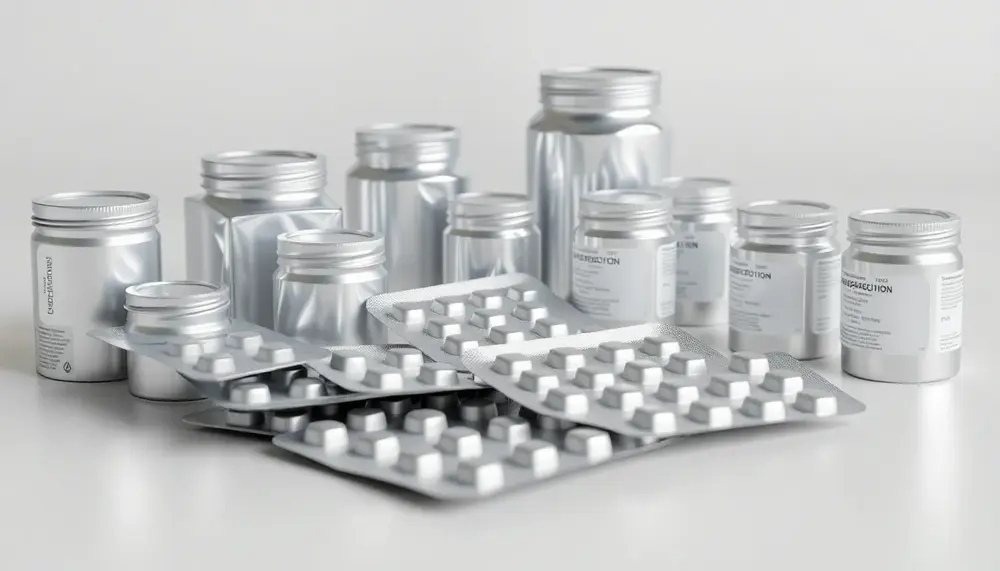
Another notable advantage is the versatility of Alufoil. It can be formed into various packaging formats, including:
- Blister packs: Ideal for individual dose packaging, enhancing convenience and protection.
- Strip packs: Easy to open and offering high barrier performance.
- Sachets and pouches: Perfect for powders and liquids that require protection from light and moisture.
- Heat-sealed membranes: Provide hermetic seals in containers to maintain product integrity.
- Collapsible tubes: Essential for creams and ointments, preventing contamination.
Additionally, Alufoil supports the implementation of child-resistant features and anti-counterfeiting measures, thereby enhancing the overall safety of pharmaceutical products. Holographic effects and other security technologies can be integrated into the packaging to deter tampering and ensure authenticity.
In summary, Alufoil not only meets the rigorous demands of pharmaceutical packaging but also contributes to the broader goals of sustainability and efficiency within the industry. As the focus on reducing environmental impact grows, the recyclability of Alufoil offers an added benefit, aligning with the industry's shift towards more sustainable practices.
Properties and Benefits of Alufoil
Alufoil stands out in the pharmaceutical packaging industry due to its unique properties and numerous benefits. These characteristics not only enhance the safety and efficacy of medications but also cater to the evolving demands of modern packaging solutions.
Durability is one of the key advantages of Alufoil. Its robust physical properties allow it to withstand various environmental conditions, making it suitable for diverse storage environments. This durability translates to reduced risk of damage during transportation and handling, ensuring that products reach their destination intact.
Another significant benefit is the lightweight nature of Alufoil. This quality contributes to lower shipping costs and reduced carbon footprint during transportation. Lightweight materials are increasingly favored in the industry, as they not only decrease logistical expenses but also support sustainability goals.
Alufoil’s formability allows for innovative packaging designs that can be tailored to specific product requirements. This adaptability means that manufacturers can create packaging that meets precise specifications, enhancing user experience and convenience. For instance, easy-to-open designs can significantly improve patient compliance, particularly for medications that require daily dosing.
Moreover, Alufoil is compatible with various printing techniques, enabling manufacturers to incorporate branding, dosage information, and safety warnings directly onto the packaging. This capability enhances product visibility on shelves and provides essential information to consumers in a clear and accessible manner.
Finally, the recyclability of Alufoil aligns with the growing emphasis on sustainable practices within the pharmaceutical sector. As the industry seeks to minimize waste and environmental impact, the ability to recycle Alufoil contributes to a circular economy, making it a smart choice for environmentally conscious manufacturers.
In summary, the properties and benefits of Alufoil make it an indispensable material in pharmaceutical packaging, supporting safety, efficiency, and sustainability in the industry.
Benefits and Drawbacks of Aluminium Packaging in Pharmaceuticals
| Advantages | Disadvantages |
|---|---|
| Exceptional barrier protection against moisture, oxygen, and light | Can be more expensive than some plastic alternatives |
| Recyclable and supports sustainability efforts | Limited flexibility compared to some plastic materials |
| Enhances product shelf life and stability | Potential for aluminum leaching if not properly coated |
| Customizable packaging formats like blister packs and pouches | Requires specialized machinery for production |
| Child-resistant and tamper-evident options available | May require additional processing to meet sterility standards |
Barrier Properties
The barrier properties of Alufoil are fundamental to its effectiveness in pharmaceutical packaging. These properties ensure that medications remain stable and effective throughout their shelf life. Alufoil provides a robust shield against a variety of harmful external factors, which can compromise product integrity.
One of the most critical aspects of Alufoil is its ability to block moisture. Moisture can lead to degradation of active pharmaceutical ingredients (APIs), resulting in reduced efficacy or potential spoilage. Alufoil's impermeability to moisture helps maintain the quality and effectiveness of products such as tablets and powders.
In addition to moisture, Alufoil effectively prevents the ingress of oxygen, which is another key factor in maintaining pharmaceutical stability. Oxygen can react with sensitive compounds, leading to oxidation and degradation. By creating a barrier that limits oxygen exposure, Alufoil plays a crucial role in preserving the potency of medications.
Moreover, Alufoil is designed to protect against light exposure, particularly ultraviolet (UV) light, which can degrade light-sensitive compounds. Many pharmaceutical products, such as certain vitamins and hormones, require protection from light to maintain their effectiveness. The opaque nature of Alufoil ensures that these products are shielded from harmful light exposure throughout their shelf life.
Furthermore, Alufoil acts as a barrier against microorganisms, which can cause contamination and compromise product safety. Its non-porous surface prevents bacteria and other pathogens from penetrating the packaging, ensuring that the contents remain sterile until the point of use.
Overall, the barrier properties of Alufoil significantly enhance the reliability of pharmaceutical products. By protecting against moisture, oxygen, light, and microorganisms, Alufoil helps ensure that medications retain their intended efficacy and safety, ultimately benefiting both manufacturers and patients alike.
Sterility
Sterility is a critical requirement in the pharmaceutical industry, and Alufoil excels in this area due to its unique properties and processing methods. The manufacturing of Alufoil involves stringent sterilization techniques that ensure it is free from contaminants, making it safe for packaging sensitive pharmaceutical products.
The sterilization process typically includes methods such as gamma irradiation or ethylene oxide (EtO) treatment. These techniques effectively eliminate bacteria, viruses, and other microorganisms that could compromise the integrity of the product. As a result, Alufoil is deemed health-safe and suitable for various applications, including the packaging of injectables and other sterile medications.
Furthermore, the non-porous nature of Alufoil contributes to maintaining sterility during storage and transportation. This characteristic prevents any potential recontamination from environmental factors, ensuring that the packaged products remain uncontaminated until the moment of use.
In addition to its inherent sterility, Alufoil also supports compliance with regulatory standards set by health authorities such as the FDA and EMA. These standards dictate the requirements for packaging materials used in pharmaceuticals, emphasizing the importance of maintaining sterility and overall product safety.
Moreover, the ability to incorporate child-resistant features and tamper-evident designs into Alufoil packaging enhances safety for end-users. This is especially important for medications that may pose risks if misused, further reinforcing the importance of sterility and safety in pharmaceutical packaging.
In conclusion, the sterility of Alufoil is not just a byproduct of its manufacturing process but a fundamental aspect that plays a vital role in ensuring the safety and efficacy of pharmaceutical products. This makes Alufoil a preferred choice in the industry for maintaining product integrity and protecting public health.
Variety of Packaging Formats
The variety of packaging formats available with Alufoil is one of its most significant advantages in the pharmaceutical industry. This versatility allows manufacturers to select the optimal packaging solution tailored to the specific requirements of their products. Below are some key formats in which Alufoil is commonly utilized:
- Blister Packs: These are designed for individual doses, providing convenience and ensuring that each tablet or capsule is protected until use. Blister packs can be customized to fit various product shapes and sizes, enhancing user experience.
- Strip Packs: Strip packaging offers an easy-to-open format that is ideal for rapid dispensing. This type of packaging is especially beneficial for medications that require quick access and is designed to maintain high barrier performance.
- Sachets and Pouches: These formats are perfect for powders, creams, and liquids. They provide excellent protection against moisture and light, making them suitable for a wide range of pharmaceutical applications. Sachets can be designed for single-use or multi-use, depending on product needs.
- Heat-Sealed Membranes: Alufoil is often used as a hermetic seal in containers, providing an airtight barrier that helps preserve product integrity. This format is particularly important for liquid medications that must remain uncontaminated.
- Collapsible Tubes: These are essential for packaging creams and ointments. The design prevents contamination by minimizing air exposure, which can compromise the product's efficacy. Collapsible tubes are also user-friendly, allowing for complete evacuation of the product.
In addition to these formats, Alufoil can be adapted to incorporate various features such as child-resistant mechanisms and tamper-evident seals. This adaptability not only enhances safety but also meets the regulatory requirements of the pharmaceutical industry, ensuring that packaging is both secure and compliant.
Ultimately, the diverse range of packaging formats available with Alufoil empowers pharmaceutical manufacturers to choose solutions that align with their product specifications, safety standards, and market demands, making it an invaluable material in the industry.
Applications in Pharmaceutical Packaging
Alufoil is utilized in a variety of applications within pharmaceutical packaging, each tailored to meet specific requirements of different products. Its adaptability allows manufacturers to create solutions that enhance safety, efficacy, and user convenience.
One prominent application is in the production of blister packs. These packs offer individual doses for tablets and capsules, ensuring that each unit remains protected until it is ready for consumption. This format not only helps in maintaining the integrity of the medication but also facilitates patient compliance by making it easy to dispense the correct dosage.
Strip packaging is another essential application. This format is ideal for medications that require quick access and simple opening. The design can be customized to fit various shapes and sizes, enhancing usability while ensuring a high level of protection against environmental factors.
For liquid medications and creams, sachets and pouches are commonly used. These flexible packages provide excellent protection against moisture and light, making them suitable for a wide range of pharmaceutical products. The robust design also allows for safe transportation and storage of sterile liquids.
In addition, Alufoil is utilized in heat-sealed membranes that serve as airtight seals for containers. This application is crucial for maintaining sterility and preventing contamination of sensitive products, such as injectables, ensuring they remain safe for patient use.
Collapsible tubes represent another vital application of Alufoil, especially for ointments and creams. These tubes are designed to minimize exposure to air, thereby preventing contamination and preserving the product's efficacy. The collapsible nature also allows for complete evacuation of the contents, reducing waste.
Furthermore, Alufoil packaging can incorporate features such as child-resistant closures and tamper-evident seals, enhancing safety for end-users. These features are particularly important for medications that may pose risks if accessed by unintended individuals.
In summary, the diverse applications of Alufoil in pharmaceutical packaging highlight its critical role in ensuring product integrity, safety, and user convenience. By catering to the specific needs of various products, Alufoil continues to be an indispensable material in the pharmaceutical industry.
Blister Packaging
Blister packaging is a widely adopted solution in the pharmaceutical industry, primarily due to its ability to provide individual doses of medication while ensuring product integrity. This type of packaging is particularly effective for tablets, capsules, and similar dosage forms, allowing for enhanced convenience and safety for end-users.
One of the defining features of blister packaging is its mechanical strength. The structure of blister packs is designed to withstand external pressures and impacts during transportation and storage. This durability significantly reduces the risk of damage to the individual doses, ensuring that they remain intact until needed.
Moreover, blister packs offer a high level of hygiene and protection. Each dose is sealed in its own compartment, which helps prevent contamination and maintains the sterility of the product. This is particularly important for medications that are sensitive to environmental factors or require strict hygienic conditions.
Blister packaging can also incorporate features that enhance user experience. For instance, some designs include easy-peel or push-through capabilities, allowing users to access their medications without the need for scissors or additional tools. This convenience is especially beneficial for patients with limited dexterity, such as the elderly.
Additionally, blister packs can be tailored to meet specific regulatory requirements, including child-resistant closures. This feature is crucial for preventing accidental ingestion of medications by children, thereby enhancing safety in households where children are present.
Another advantage of blister packaging is its capability to include anti-counterfeiting measures. By integrating holographic effects or unique identifiers, manufacturers can help ensure the authenticity of their products, which is vital in combating counterfeit medications that pose significant health risks.
In summary, blister packaging stands out as a practical and effective solution in the pharmaceutical sector. Its combination of durability, hygiene, user-friendliness, and safety features make it an ideal choice for delivering medications securely and efficiently to patients.
Strip Packaging
Strip packaging is an innovative solution in the pharmaceutical industry, designed to provide a seamless and efficient method for dispensing medications. This type of packaging is particularly advantageous for products that require quick access and easy handling.
One of the standout features of strip packaging is its user-friendly design. The packaging is typically made from flexible Alufoil, allowing for easy opening while maintaining the necessary protective barriers. This ease of access encourages patient compliance, especially for individuals who may struggle with more complex packaging formats.
In terms of efficiency, strip packaging excels in the speed of filling and sealing processes. The use of Alufoil allows for rapid production cycles, which can significantly reduce time-to-market for pharmaceutical products. This efficiency is crucial in meeting the demands of a fast-paced industry.
Moreover, strip packaging offers excellent barrier properties, ensuring that medications remain protected from moisture, oxygen, and light. This protection is vital for maintaining the stability and efficacy of active pharmaceutical ingredients (APIs). By using high-quality Alufoil, manufacturers can ensure that their products maintain their intended potency throughout their shelf life.
Another important aspect is the potential for customization. Strip packaging can be tailored to fit specific product dimensions and branding requirements, allowing manufacturers to differentiate their products on the market. This customization can include printed information directly on the packaging, such as dosage instructions and safety warnings, providing essential information in an easily accessible format.
Additionally, strip packs can incorporate child-resistant features, addressing safety concerns for households with children. This capability ensures that medications are stored securely while still being accessible to adults, thereby enhancing overall safety.
In summary, strip packaging represents a versatile and effective solution within the pharmaceutical sector. Its combination of user-friendly access, efficient production, robust protection, and customization options makes it an ideal choice for delivering medications safely and effectively to patients.
Sachets and Pouches
Sachets and pouches represent a flexible and efficient packaging solution in the pharmaceutical industry, catering to a wide range of products such as powders, liquids, and creams. These formats are designed to meet specific product requirements while providing optimal protection and convenience.
One of the primary advantages of sachets and pouches is their customizable size. Manufacturers can create packaging that aligns perfectly with the volume of the product being packaged, whether it's a single dose or multiple doses. This adaptability minimizes waste and ensures that the packaging is as efficient as possible.
Additionally, sachets and pouches are often designed for easy opening. Many are equipped with tear notches or easy-peel features, allowing users to access the contents quickly and conveniently. This user-friendly aspect is particularly beneficial for patients who may have difficulty with more complicated packaging.
The barrier properties of Alufoil used in sachets and pouches provide excellent protection against external factors. They effectively shield the contents from moisture and light, which is crucial for maintaining the stability of sensitive pharmaceuticals. This protection is especially important for hygroscopic powders and light-sensitive liquids.
Moreover, sachets and pouches can be designed to include child-resistant features, addressing safety concerns for households with children. This ensures that medications are stored securely while still being accessible to adults, enhancing overall safety.
Another key benefit of these formats is their lightweight design. This characteristic not only reduces shipping costs but also contributes to a lower carbon footprint, aligning with the industry's growing focus on sustainability. Lightweight packaging can significantly decrease logistics expenses, making it an attractive option for manufacturers.
Furthermore, sachets and pouches can be produced using eco-friendly materials, catering to the increasing demand for sustainable packaging solutions. Many manufacturers are exploring biodegradable or recyclable options to minimize environmental impact, thus appealing to environmentally conscious consumers.
In summary, sachets and pouches offer a versatile and efficient packaging solution in the pharmaceutical sector. Their customizable sizes, user-friendly designs, excellent barrier properties, and potential for sustainable materials make them an ideal choice for a variety of pharmaceutical products.
Heat-Sealed Membranes and Closures
Heat-sealed membranes and closures are critical components in pharmaceutical packaging, designed to provide an airtight seal that ensures the integrity and safety of the product within. These membranes utilize the properties of Alufoil to create a barrier that effectively protects against external contaminants.
One of the primary benefits of heat-sealed membranes is their hermetic sealing capability. This type of seal prevents the ingress of moisture, oxygen, and other environmental factors that could compromise the stability of pharmaceutical products. The hermetic nature of these seals is essential for maintaining the potency of sensitive medications, particularly those that are prone to degradation.
Additionally, heat-sealed membranes can be engineered to include easy-tear features, allowing for simple and convenient access to the product. This is particularly important for users who may need to dispense medication quickly or without the use of additional tools. The ease of opening enhances user experience and compliance, especially for patients with limited dexterity.
Moreover, these membranes can be customized to provide child-resistant closures, which is vital for medications that could pose risks if accessed by children. By integrating such safety features, manufacturers can significantly reduce the likelihood of accidental ingestion, thereby enhancing overall safety in households.
Heat-sealed closures also allow for the inclusion of tamper-evident designs. This is crucial in the pharmaceutical industry, where the integrity of products must be guaranteed. Tamper-evident features help to assure consumers that the product has not been altered or contaminated, fostering trust in the brand and product quality.
In addition to safety features, heat-sealed membranes can be printed with important information such as dosage instructions, expiration dates, and safety warnings. This direct printing on the packaging eliminates the need for additional labels, streamlining the packaging process and ensuring that critical information is always readily available to the consumer.
In summary, heat-sealed membranes and closures play a vital role in pharmaceutical packaging. Their ability to provide hermetic seals, enhance user convenience, and incorporate safety features makes them indispensable in maintaining the integrity and safety of pharmaceutical products throughout their shelf life.
Collapsible Tubes
Collapsible tubes are an essential packaging solution in the pharmaceutical industry, particularly for products like creams, ointments, and gels. These tubes are designed to facilitate easy dispensing while ensuring the preservation of the product's integrity.
One of the key benefits of collapsible tubes is their ability to prevent contamination. The design minimizes exposure to air, which helps to protect the contents from oxidation and microbial contamination. This is especially crucial for products that are sensitive to environmental factors, ensuring that they remain effective until the last application.
Furthermore, collapsible tubes are engineered to allow for complete evacuation of the product. This means that users can easily dispense every last bit of the cream or ointment, reducing waste and ensuring maximum value for the consumer. This feature is particularly important in a market where sustainability and cost-effectiveness are highly valued.
The material properties of collapsible tubes, often made from a combination of aluminum and plastic, provide an excellent barrier against moisture and light. This dual-layer approach enhances the overall performance of the packaging, maintaining the efficacy of the pharmaceutical product throughout its shelf life.
In addition to functionality, collapsible tubes can be customized in terms of size, shape, and design. This flexibility allows manufacturers to differentiate their products on the market. Various printing techniques can be employed to include branding, dosage instructions, and safety warnings directly on the tube, enhancing consumer awareness and compliance.
Moreover, collapsible tubes can incorporate child-resistant features, which is particularly important for products that could pose risks if misused. By ensuring that these tubes are secure, manufacturers can help prevent accidental ingestion, thus enhancing safety for households with children.
In conclusion, collapsible tubes serve as a versatile and effective packaging option in the pharmaceutical sector. Their design not only supports product integrity and user convenience but also aligns with the industry's focus on sustainability and safety, making them a preferred choice for various applications.
Contact Information
For further inquiries and detailed information regarding Alufoil and its applications in pharmaceutical packaging, please reach out to the following contact:
European Aluminium Foil Association (EAFA)
- Address: Mörsenbroicher Weg 200, 40470 Düsseldorf, Germany
- Phone: +49 211 387 326 02
- Email: enquires@alufoil.org
Additionally, for more insights into their products and services, you can visit their official website: Alfipa.
Whether you are a manufacturer seeking high-quality packaging solutions or a professional looking to understand the benefits of Alufoil, the EAFA is equipped to provide the necessary support and information.
Additional Information
In addition to its primary applications in pharmaceutical packaging, Alufoil plays a significant role across various markets, including food packaging and consumer goods. This versatility demonstrates the material's broad applicability and effectiveness in protecting products from environmental factors.
The emphasis on sustainability within the manufacturing processes of Alufoil is noteworthy. The industry is actively pursuing initiatives to minimize waste and reduce the overall carbon footprint associated with production. This includes the exploration of eco-friendly materials and recycling options, which align with global trends toward environmental responsibility.
Moreover, Alufoil's adaptability allows it to be integrated into innovative packaging designs that enhance user experience. For instance, advancements in technology enable the incorporation of smart packaging solutions that provide real-time information about product conditions, such as temperature and humidity levels. This is particularly beneficial in the pharmaceutical sector, where maintaining specific conditions is crucial for product efficacy.
Additionally, ongoing research and development are focused on improving the performance characteristics of Alufoil. Innovations in coating technologies aim to enhance barrier properties further, providing even greater protection for sensitive pharmaceuticals and expanding the range of products that can be effectively packaged using Alufoil.
Finally, collaboration between manufacturers, healthcare providers, and regulatory bodies is essential to ensure compliance with evolving standards and regulations in the pharmaceutical industry. This collective effort is vital for maintaining high-quality packaging solutions that safeguard public health while meeting market demands.
Aluminium & Blisterfoil for Pharmaceutical Industry - Alfipa
AlFiPa, a leading player in the pharmaceutical packaging industry, specializes in the production of high-quality aluminium and composite foils tailored for a variety of applications. Under the leadership of CEO Daniel Quadt, the company has established itself as a trusted source for innovative packaging solutions that meet the rigorous demands of the pharmaceutical sector.
AlFiPa's product offerings are designed to ensure the maximum protection of medications, leveraging the unique properties of aluminium foil. Their solutions include blister packs, which are essential for securely storing tablets and capsules while providing easy access for users. Each product is meticulously crafted to uphold the highest standards of hygiene and reliability.
The company emphasizes a commitment to sustainability in its manufacturing processes. AlFiPa actively seeks to minimize environmental impact through the use of recyclable materials and energy-efficient production methods. This approach not only benefits the planet but also aligns with the growing consumer demand for eco-friendly packaging options.
Additionally, AlFiPa invests in research and development to continually enhance its product line. By exploring new technologies and materials, the company aims to improve the performance characteristics of its foils, ensuring that they remain at the forefront of the industry. This dedication to innovation allows AlFiPa to adapt to evolving market needs and regulatory requirements.
Collaboration with stakeholders in the pharmaceutical industry is also a key focus for AlFiPa. By working closely with manufacturers, healthcare providers, and regulatory bodies, the company ensures that its packaging solutions not only meet but exceed industry standards for safety and efficacy.
In summary, AlFiPa stands out in the pharmaceutical packaging landscape for its high-quality aluminium and composite foils, commitment to sustainability, and continuous innovation. As the industry evolves, AlFiPa remains dedicated to providing reliable and effective packaging solutions that protect the integrity of pharmaceutical products.
Introduction
The pharmaceutical industry relies heavily on advanced packaging solutions to ensure the safety, efficacy, and longevity of medications. Among the leading materials utilized in this sector is Alufoil, known for its unique properties that cater specifically to the stringent requirements of pharmaceutical packaging.
Alufoil offers a range of benefits, making it an ideal choice for various applications, including blister packs, strip packs, sachets, and collapsible tubes. Its barrier properties protect against moisture, oxygen, and light, all of which can adversely affect the quality of pharmaceuticals. Additionally, Alufoil's versatility allows manufacturers to develop packaging solutions that not only safeguard products but also enhance user convenience and compliance.
As the industry evolves, the focus on sustainability has become increasingly important. The use of recyclable materials and eco-friendly production methods is gaining traction, aligning with the broader goals of minimizing environmental impact. Companies like AlFiPa are at the forefront of this movement, providing innovative aluminium and composite foil solutions that meet both market demands and regulatory standards.
In this context, understanding the applications, advantages, and future trends of Alufoil in pharmaceutical packaging is essential for stakeholders looking to navigate the complexities of the industry. As we delve deeper into the specifics of Alufoil, we will explore its properties, benefits, and the various formats available for effective pharmaceutical packaging.
Use of Aluminium Foil in the Pharmaceutical Industry
The use of aluminium foil in the pharmaceutical industry is crucial for ensuring the safety, efficacy, and longevity of medications. Its unique properties make it a preferred choice for a variety of applications, from blister packaging to protective sachets.
One of the primary functions of aluminium foil is its ability to provide effective protection against environmental factors that can affect pharmaceutical products. These include moisture, oxygen, and light, all of which can degrade the active ingredients in medications. By creating a barrier that prevents these elements from compromising product integrity, aluminium foil helps maintain the effectiveness and safety of pharmaceuticals throughout their shelf life.
Aluminium foil is also essential for maintaining sterility in packaging. Its production involves processes that ensure it is free from contaminants, making it suitable for packaging sterile products, such as injectables. This sterility is vital for protecting patient health and ensuring compliance with regulatory standards.
Furthermore, aluminium foil’s versatility allows it to be adapted for various packaging formats. For instance, it is commonly used in blister packs, which offer individual doses of medication, thereby enhancing convenience and user compliance. Additionally, its flexibility enables the creation of strip packs, sachets, and collapsible tubes, providing manufacturers with multiple options to meet the specific needs of their products.
The incorporation of aluminium foil in pharmaceutical packaging also supports child-resistant features and tamper-evident designs. These safety measures are crucial for preventing accidental ingestion by children and ensuring that products have not been altered or contaminated before reaching consumers.
Lastly, the ongoing focus on sustainability in the pharmaceutical sector has led to advancements in the recyclability of aluminium foil. Manufacturers are increasingly adopting eco-friendly practices, aiming to reduce waste and enhance environmental responsibility in their packaging solutions.
In summary, the use of aluminium foil in the pharmaceutical industry is pivotal for protecting the integrity of medications, ensuring compliance with safety standards, and accommodating diverse packaging needs while addressing sustainability concerns.
Blister Pack Advantages
Blister packs offer numerous advantages that make them a preferred choice in pharmaceutical packaging. These packs are designed to provide individual doses, ensuring that each medication remains protected and easily accessible. Below are some key benefits of blister packaging:
- Enhanced Product Protection: Blister packs shield medications from external factors such as moisture, light, and air, which are essential for maintaining the stability and efficacy of active ingredients.
- Convenience and Portability: The compact design of blister packs allows for easy transportation. Patients can carry their medications without the risk of damage or contamination, facilitating adherence to prescribed regimens.
- Individual Dosing: Each dose is securely sealed in its own compartment, minimizing the risk of incorrect dosages. This feature is particularly beneficial for patients who require multiple medications, as it simplifies the process of managing their treatment.
- Improved Compliance: The clear visibility of each dose encourages patients to take their medications as prescribed. Additionally, the packaging often includes easy-to-understand instructions, which can further enhance adherence.
- Child-Resistant Options: Many blister packs can be designed with child-resistant features, providing an added layer of safety for households with young children. This is crucial for preventing accidental ingestion of medications.
- Tamper-Evident Designs: Blister packs can include features that indicate whether the packaging has been tampered with, ensuring that the product is safe for use. This aspect is vital for maintaining consumer trust and product integrity.
- Customization: Blister packaging can be tailored to fit specific product requirements, including size, shape, and branding. This flexibility allows manufacturers to differentiate their products in a competitive market.
In summary, the advantages of blister packaging extend beyond simple containment. Their ability to provide enhanced protection, convenience, and safety makes them an indispensable choice for pharmaceutical products, ultimately benefiting both manufacturers and patients alike.
Development of Blister Packaging
The development of blister packaging has evolved significantly over the years, driven by advancements in technology and an increasing focus on user convenience and product safety. This evolution reflects the pharmaceutical industry's need for reliable packaging solutions that meet both regulatory requirements and consumer expectations.
Initially, blister packs were designed primarily for functionality, focusing on providing a secure and protective enclosure for tablets and capsules. However, as market demands shifted, manufacturers began to explore ways to enhance the design and usability of blister packaging. This led to the incorporation of innovative features such as easy-peel openings and customizable blister shapes that cater to specific medication types.
One notable trend in the development of blister packaging is the integration of smart technologies. Manufacturers are now exploring the use of QR codes and NFC (Near Field Communication) technology embedded in blister packs, which allow consumers to access product information, usage instructions, and even reminders for medication adherence through their smartphones. This technological integration not only enhances user experience but also promotes better compliance with treatment regimens.
Furthermore, the focus on sustainability has also influenced the development of blister packaging. Manufacturers are increasingly seeking eco-friendly materials and production processes that minimize environmental impact. This includes using recyclable materials and reducing the carbon footprint associated with packaging production. The move toward sustainable practices is becoming a vital consideration for consumers and regulatory bodies alike.
In addition, continuous research and development efforts are aimed at improving the barrier properties of blister packaging. Innovations in materials science are leading to the creation of advanced films that offer superior protection against moisture, oxygen, and light, further enhancing the stability and shelf life of pharmaceuticals.
Overall, the development of blister packaging reflects a dynamic interplay between technology, user needs, and environmental considerations. As the pharmaceutical landscape continues to evolve, blister packs are expected to adapt, providing even more effective solutions for medication delivery and patient safety.
Coatings and Materials
Coatings and materials used in pharmaceutical packaging are essential for enhancing the performance and functionality of Alufoil. These coatings are specifically designed to improve adhesion, barrier properties, and overall product protection.
Heat Sealing Lacquer is one of the primary coatings applied to Alufoil. This lacquer enables secure bonding between the aluminium foil and plastic components of packaging, creating an airtight seal that maintains product integrity. The heat sealing process ensures that the packaging is hermetically sealed, preventing contamination and preserving the sterility of sensitive medications.
In terms of aluminium foil types, there are two main categories utilized in the pharmaceutical sector:
- Hard Aluminium Foil: Typically around 25 µm thick, this type is known for its temperature resistance and ease of penetration, making it suitable for rapid access to medications. Its structural integrity allows for reliable packaging that withstands the rigors of transportation and storage.
- Soft Aluminium Foil: This variant features higher tensile strength, making it more difficult for children to open, thereby enhancing safety. The design often includes perforated seams that prevent complete removal of the foil, ensuring that the remaining product stays protected.
Additionally, composite films combining aluminium with materials such as paper or PET (polyethylene terephthalate) are commonly used. These composites provide excellent barrier properties while allowing for printed information on the paper layers, thus merging functionality with branding needs.
Another important consideration is the regulatory compliance of coatings and materials. Strict medical hygiene standards govern the manufacturing processes of these packaging materials, ensuring they are safe for use in the pharmaceutical industry. Compliance with these standards is vital to maintain product safety and efficacy.
In conclusion, the coatings and materials used with Alufoil in pharmaceutical packaging play a critical role in ensuring product protection, enhancing usability, and meeting regulatory requirements. Continuous advancements in these areas contribute to the overall effectiveness of pharmaceutical packaging solutions.
Composite Foils
Composite foils are an innovative packaging solution used extensively in the pharmaceutical industry, combining different materials to enhance functionality and performance. These multilayer structures typically consist of aluminium combined with materials such as paper or PET (polyethylene terephthalate). The integration of these materials results in a product that offers superior barrier properties while allowing for versatile applications.
One of the key advantages of composite foils is their ability to provide excellent protection against moisture, oxygen, and light. The aluminium layer acts as a robust barrier, while the outer layers can be tailored for additional functionality, such as printing and branding. This combination ensures that pharmaceutical products remain stable and effective throughout their shelf life.
Composite foils also allow for the inclusion of printed information directly on the packaging. The paper or PET layers can be printed with product information, usage instructions, and safety warnings, which enhances user awareness and compliance. This feature is particularly valuable in the pharmaceutical sector, where clear communication is essential for safe medication use.
Another significant aspect of composite foils is their lightweight nature. This characteristic reduces shipping costs and lowers the overall carbon footprint associated with transportation. By using lighter materials, manufacturers can contribute to more sustainable practices within the industry.
Moreover, the manufacturing of composite foils adheres to strict compliance and regulatory standards, ensuring that they meet the necessary safety and quality requirements for pharmaceutical packaging. This commitment to quality is vital for maintaining the integrity of medications and protecting public health.
In addition to these benefits, composite foils can be designed to include tamper-evident features and child-resistant options, which are essential for enhancing product safety. These features provide consumers with confidence in the security of their medications, reducing the risk of accidental ingestion or tampering.
In summary, composite foils represent a versatile and effective solution in pharmaceutical packaging, offering enhanced protection, printed communication, and compliance with industry standards. Their ability to combine various materials for improved performance makes them an invaluable asset in the delivery of safe and effective pharmaceutical products.
Compliance & Standards
Compliance and standards are critical elements in the pharmaceutical industry, particularly concerning packaging materials such as aluminium foil. These regulations ensure that all packaging solutions meet stringent safety, quality, and efficacy requirements, protecting both consumers and manufacturers.
The pharmaceutical sector is governed by numerous regulatory bodies worldwide, including the Food and Drug Administration (FDA) in the United States and the European Medicines Agency (EMA) in Europe. These organizations set forth guidelines that packaging materials must adhere to, ensuring that they are suitable for contact with pharmaceuticals and do not compromise product integrity.
One of the primary standards applicable to aluminium foil packaging is the Good Manufacturing Practice (GMP). This set of guidelines mandates that all aspects of production, from raw material sourcing to final packaging, are conducted under controlled conditions. Compliance with GMP helps to guarantee the safety and quality of pharmaceutical products, ensuring that they are manufactured consistently and reliably.
Additionally, ISO (International Organization for Standardization) certifications play a significant role in maintaining quality standards within the industry. ISO 9001, for instance, focuses on quality management systems, while ISO 13485 specifically pertains to medical devices, including their packaging. Adhering to these standards helps manufacturers demonstrate their commitment to quality and regulatory compliance.
Another important aspect of compliance is the material safety data sheets (MSDS), which provide essential information regarding the handling, storage, and potential hazards of the materials used in packaging. This information is crucial for ensuring that all personnel involved in the manufacturing and distribution processes are informed of safety protocols.
Moreover, as sustainability becomes increasingly important, regulations regarding the recyclability and environmental impact of packaging materials are evolving. Manufacturers are encouraged to adopt practices that minimize waste and enhance the recyclability of aluminium foil, aligning with global efforts to reduce environmental footprints.
In summary, compliance with established standards and regulations is essential for the safe and effective use of aluminium foil in pharmaceutical packaging. These measures not only protect public health but also enhance the credibility and reliability of pharmaceutical products in a competitive market.
Conclusion
In conclusion, aluminium foil serves as a pivotal component in the pharmaceutical packaging landscape, playing a vital role in ensuring the safety, efficacy, and longevity of medications. Its unique properties, such as excellent barrier characteristics, sterility, and versatility in packaging formats, make it an indispensable material for various pharmaceutical applications.
The ongoing advancements in packaging technology, combined with the industry's increasing focus on sustainability, position aluminium foil as a forward-thinking choice. Manufacturers are not only leveraging its protective capabilities but are also adopting eco-friendly practices that contribute to environmental responsibility.
Furthermore, the strict compliance with regulatory standards ensures that aluminium foil packaging meets the high safety and quality expectations required in the pharmaceutical sector. This adherence to regulations not only protects public health but also fosters consumer confidence in pharmaceutical products.
As the industry continues to evolve, the role of aluminium foil in pharmaceutical packaging will likely expand, offering innovative solutions that address emerging challenges and consumer needs. Stakeholders across the pharmaceutical supply chain must remain informed about these developments to leverage the full potential of aluminium foil in delivering safe and effective medications to patients worldwide.
Ultimately, aluminium foil is more than just a packaging material; it is a critical element in the broader efforts of the pharmaceutical industry to enhance product safety, sustainability, and compliance, ensuring that medications are delivered effectively from manufacturers to patients.
Contact Information
For further inquiries regarding Alufoil and its applications in pharmaceutical packaging, please refer to the contact information below:
European Aluminium Foil Association (EAFA)
- Address: Mörsenbroicher Weg 200, 40470 Düsseldorf, Germany
- Phone: +49 211 387 326 02
- Email: enquires@alufoil.org
For a deeper understanding of their products and services, you can also visit their official website: Alfipa.
Whether you are a manufacturer seeking high-quality packaging solutions or a professional looking for insights into the benefits of Alufoil, the EAFA is well-equipped to provide the necessary support and information.
Key Benefits of Aluminium Foil in Pharmaceutical Packaging
Aluminium foil offers a range of key benefits that make it an essential material in pharmaceutical packaging. Its unique properties ensure that medications are protected and preserved, ultimately contributing to patient safety and product efficacy.
- Exceptional Barrier Protection: Aluminium foil effectively blocks moisture, oxygen, and light, which are critical factors in maintaining the stability and potency of pharmaceutical products. This barrier extends the shelf life of medications, ensuring they remain effective until their expiration date.
- Versatility in Packaging Formats: Aluminium foil can be easily formed into various packaging formats, such as blister packs, strip packs, and pouches, allowing for tailored solutions that meet the specific needs of different pharmaceuticals. This adaptability enhances user experience and convenience.
- Cost-Effectiveness: The lightweight nature of aluminium foil reduces shipping costs and overall packaging expenses. Its durability also minimizes the risk of damage during transportation, ensuring that products arrive at their destination in optimal condition.
- Environmental Sustainability: Aluminium foil is recyclable, and many manufacturers are adopting eco-friendly practices in its production. This commitment to sustainability aligns with the industry's growing focus on reducing environmental impact and waste.
- Child-Resistant and Tamper-Evident Features: Aluminium foil packaging can incorporate safety features that prevent accidental ingestion by children and indicate whether a product has been tampered with. These features are essential for ensuring consumer safety and maintaining trust in pharmaceutical products.
- Compliance with Regulatory Standards: Aluminium foil packaging meets stringent regulatory requirements, ensuring that it is safe for use with pharmaceuticals. Compliance with these standards is crucial for maintaining product integrity and consumer safety.
In summary, the key benefits of aluminium foil in pharmaceutical packaging not only enhance product protection but also contribute to overall safety, sustainability, and compliance within the industry. This makes aluminium foil a vital material for ensuring that medications are delivered effectively and responsibly.
Core Statements
Core statements regarding aluminium foil in pharmaceutical packaging highlight its essential role in enhancing product safety and efficacy. These statements underscore the advantages that make aluminium foil a preferred choice in the industry:
- Barrier Efficiency: Aluminium foil provides outstanding barrier properties, effectively protecting pharmaceuticals from moisture, oxygen, and light. This protection is crucial for maintaining the stability and potency of medications.
- Versatile Applications: The adaptability of aluminium foil allows it to be used in various packaging formats, including blister packs, sachets, and tubes. This versatility meets the diverse needs of pharmaceutical products while ensuring user convenience.
- Enhanced Safety Features: Aluminium foil packaging can incorporate child-resistant and tamper-evident designs, which are vital for preventing accidental ingestion and ensuring product integrity.
- Sustainability Commitment: The industry is increasingly focused on sustainability, with aluminium foil being recyclable. Manufacturers are actively pursuing eco-friendly practices to reduce environmental impact.
- Compliance with Regulations: Aluminium foil meets stringent regulatory standards, ensuring that it is safe for use in pharmaceutical applications. This compliance is critical for protecting public health and maintaining consumer trust.
- Innovative Developments: Ongoing research and advancements in materials science continue to improve the performance of aluminium foil, enhancing its barrier properties and overall effectiveness in pharmaceutical packaging.
These core statements collectively emphasize the importance of aluminium foil in ensuring that pharmaceutical products are delivered safely and effectively to patients, reinforcing its status as a critical component in the industry.
Value for the Reader
The value for the reader in understanding the role of aluminium foil in pharmaceutical packaging extends beyond mere functionality. It encompasses critical insights into how this material impacts the safety, efficacy, and overall quality of medications. Here are several key points that highlight this value:
- Informed Decision-Making: Readers gain knowledge about the various packaging formats available, enabling manufacturers and stakeholders to make informed choices about the most suitable solutions for their specific pharmaceutical products.
- Awareness of Safety Standards: Understanding the compliance and regulatory frameworks surrounding aluminium foil packaging helps industry professionals ensure that their products meet necessary safety and quality standards, ultimately protecting public health.
- Insights into Sustainability: As sustainability becomes a significant concern in the industry, readers can learn about the environmental benefits of using aluminium foil, including its recyclability and the efforts being made to reduce carbon footprints in packaging processes.
- Enhanced Product Integrity: Knowledge of the barrier properties of aluminium foil assists stakeholders in understanding how these characteristics contribute to the longevity and effectiveness of pharmaceutical products, which is vital for patient safety and satisfaction.
- Improved Consumer Trust: By recognizing the importance of child-resistant and tamper-evident features in packaging, readers can appreciate how these elements enhance consumer confidence in the safety and reliability of medications.
Overall, the insights provided about aluminium foil in pharmaceutical packaging equip readers with a deeper understanding of its significance, thereby fostering better practices and decisions within the industry. This knowledge ultimately contributes to the continuous improvement of pharmaceutical products and patient care.
Target Audience
The target audience for information on aluminium foil in pharmaceutical packaging encompasses a diverse group of professionals and stakeholders within the industry. Understanding their specific needs and interests is crucial for effectively communicating the benefits and applications of this versatile material.
- Pharmaceutical Industry Professionals: This group includes researchers, product developers, and quality assurance specialists who are directly involved in the formulation and packaging of medications. They require in-depth knowledge of materials like aluminium foil to ensure product integrity and compliance with regulatory standards.
- Packaging Technologists and Engineers: These professionals focus on the design and development of packaging solutions. They seek insights into the properties of aluminium foil to create innovative packaging formats that enhance user experience while maintaining safety and efficacy.
- Regulatory Affairs Specialists: Individuals in this role are responsible for ensuring that all packaging materials comply with industry regulations. They need to understand the safety and compliance aspects of aluminium foil to navigate the complex regulatory landscape effectively.
- Environmental Sustainability Advocates: As sustainability becomes increasingly important, this audience includes stakeholders focused on reducing environmental impact. They are interested in the recyclability of aluminium foil and its role in promoting eco-friendly packaging solutions.
- Healthcare Providers: Doctors, pharmacists, and healthcare professionals benefit from understanding the packaging of medications, as this knowledge can influence patient safety and adherence to treatment regimens.
- Investors and Business Decision-Makers: Stakeholders in this category are interested in the market trends and financial implications of using aluminium foil in packaging. They require insights into the advantages of aluminium foil to make informed investment decisions.
By addressing the specific interests and needs of this diverse target audience, the information about aluminium foil in pharmaceutical packaging can be effectively communicated, fostering better practices and innovations within the industry.
Conclusion on Aluminium Foil's Role in Sustainability
In conclusion, aluminium foil plays a crucial role in promoting sustainability within the pharmaceutical packaging sector. As the industry faces increasing pressure to reduce its environmental footprint, aluminium foil offers several advantages that align with these goals.
One significant aspect is the material's recyclability. Aluminium can be recycled multiple times without losing its properties, which contributes to a circular economy. By choosing aluminium foil for packaging, manufacturers can minimize waste and reduce the demand for new raw materials, ultimately lessening the environmental impact associated with production.
Additionally, advancements in production processes have led to more energy-efficient manufacturing techniques. Companies are now focusing on reducing energy consumption during the production of aluminium foil, which not only decreases operational costs but also lowers carbon emissions.
Furthermore, the lightweight nature of aluminium foil reduces transportation costs and associated emissions. Packaging that is both protective and lightweight allows for more efficient shipping logistics, contributing to a decrease in the overall carbon footprint of pharmaceutical products.
As the pharmaceutical industry continues to evolve, the integration of sustainable practices will become increasingly important. Aluminium foil, with its unique combination of protective properties and environmental benefits, positions itself as a leader in sustainable packaging solutions. By adopting aluminium foil, the industry can support both patient safety and environmental stewardship, ensuring that medications are delivered effectively while minimizing their impact on the planet.
FAQs about Aluminium Packaging in Pharmaceuticals
What are the main benefits of using aluminium packaging in the pharmaceutical industry?
Aluminium packaging offers exceptional barrier protection against moisture, oxygen, and light, enhancing the stability and shelf life of pharmaceutical products. It is also lightweight, recyclable, and can be designed with child-resistant and tamper-evident features for improved safety.
How does aluminium ensure product sterility?
Aluminium packaging can be sterilized through processes like gamma irradiation or ethylene oxide treatment, making it safe for packaging sensitive products such as injectables. Its non-porous nature also helps maintain sterility during storage and transport.
What packaging formats are commonly made from aluminium?
Common formats include blister packs, strip packs, sachets, pouches, heat-sealed membranes, and collapsible tubes. Each format can be tailored to the specific needs of pharmaceutical products.
Can aluminium packaging incorporate safety features?
Yes, aluminium packaging can be designed with child-resistant features and tamper-evident seals, enhancing safety for consumers and ensuring product integrity.
How does aluminium packaging contribute to sustainability in the pharmaceutical industry?
Aluminium is highly recyclable, allowing for a reduction in waste and the need for new raw materials. Additionally, advances in production methods are enhancing energy efficiency, further supporting the industry's sustainability goals.