
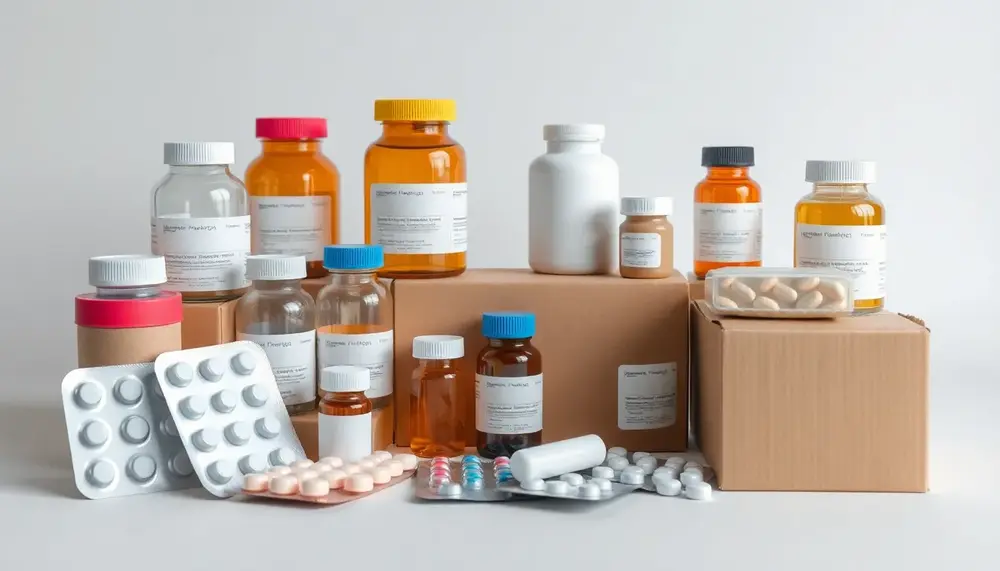
Table of Contents:
Functions of Pharmaceutical Packaging
Pharmaceutical packaging serves several critical functions that ensure the safety, efficacy, and usability of medication. Understanding these functions is essential for professionals in the pharmaceutical industry, especially when selecting appropriate materials and designs for packaging.
- Identification and Protection: One of the primary functions of pharmaceutical packaging is to identify the product and protect it from external factors. This includes safeguarding against physical damage, moisture, light, and contamination. Effective packaging helps maintain the integrity of the product throughout its shelf life.
- Facilitation of Safe Usage: Packaging is designed to allow consumers to use the product safely. This includes features like child-resistant caps and easy-to-read labels that provide dosage instructions and warnings. Such features are vital for ensuring that users can administer medications correctly and safely.
- Promotion and Marketing: Packaging also plays a significant role in marketing pharmaceuticals. Eye-catching designs and clear branding can influence consumer choice, making packaging an essential aspect of pharmaceutical marketing strategies. A well-designed package can enhance product visibility and differentiate it from competitors.
- Convenience: The design of pharmaceutical packaging often emphasizes convenience for the user. This may include easy-open features, single-dose packaging, or resealable containers. These aspects enhance the user experience, encouraging adherence to medication regimens.
- Barrier Protection: Pharmaceutical packaging must provide adequate barrier protection to prevent exposure to environmental factors that could compromise product stability. This is particularly important for sensitive products, such as biologics and certain medications that require stringent storage conditions.
In summary, the functions of pharmaceutical packaging extend far beyond mere containment. They encompass safety, usability, marketing, and protection, making them a crucial consideration for anyone involved in the pharmaceutical industry. For further insights, consider accessing the pharmaceutical packaging ppt for an in-depth presentation, or check out the pharmaceutical packaging ppt free download options available online. Additionally, the pharmaceutical packaging materials ppt free download can provide valuable information on materials used in this critical field.
Materials Used in Pharmaceutical Packaging
Pharmaceutical packaging utilizes a variety of materials, each chosen for its unique properties and suitability for specific products. Understanding these materials is crucial for ensuring the safety, efficacy, and stability of pharmaceutical products.
- Glass: Glass is a popular choice for pharmaceutical packaging due to its excellent barrier properties, inertness, and ability to preserve product integrity. It is commonly used for vials and ampoules, particularly for sensitive medications like injectables.
- Plastics: Various plastics are employed in pharmaceutical packaging, including:
- Polyethylene (PE): Known for its flexibility and moisture barrier properties, PE is often used for bottles and flexible pouches.
- Polypropylene (PP): This material is resistant to heat and chemicals, making it suitable for containers and closures that require sterilization.
- Polyvinyl Chloride (PVC): PVC is frequently used for blister packs due to its clarity and formability.
- Polyvinylidene Chloride (PVDC): PVDC provides excellent barrier properties against oxygen and moisture, ideal for packaging sensitive products.
- Rubber: Rubber is commonly used for closures and seals in pharmaceutical packaging. It provides an airtight seal that helps maintain product sterility and stability.
- Metals: Metal containers, such as aluminum and tin, are used for packaging products that require a robust barrier against light and oxygen. They are often utilized for ointments and creams.
- Paper and Cardboard: These materials are typically used for secondary packaging, such as boxes and inserts. They offer lightweight and recyclable options while providing adequate protection during transport.
Selecting the right material is essential for protecting the contents and ensuring compatibility with the dosage forms. For a deeper understanding of these materials and their applications, you can explore the pharmaceutical packaging materials ppt free download available online. Additionally, consider checking the pharmaceutical packaging ppt for further insights into the topic.
Pros and Cons of Common Pharmaceutical Packaging Materials
| Material | Pros | Cons |
|---|---|---|
| Glass | Excellent barrier properties, chemically inert, fully recyclable, preserves product integrity. | Heavy, fragile, requires careful handling, higher production costs. |
| Plastic | Lightweight, versatile, customizable, cost-effective, good barrier properties. | Potential chemical interactions, less recyclable than glass, environmental concerns. |
| Rubber | Provides airtight seals, compatible with many pharmaceuticals, customizable. | Can degrade over time, may not be suitable for all chemical products. |
| Metal | Durable, excellent barrier against light and oxygen, recyclable. | Heavy, can be expensive, may corrode or react with some products. |
| Paper | Lightweight, cost-effective, customizable, eco-friendly. | Limited barrier properties, not suitable for all packaging needs, can degrade with moisture. |
Testing of Pharmaceutical Packaging
Testing is a crucial phase in the development of pharmaceutical packaging, ensuring that it meets safety and performance standards throughout its lifecycle. This process involves a variety of evaluations to assess the packaging's ability to protect the product and maintain its integrity during distribution and storage.
- Mechanical Testing: This includes tests for durability and resistance to physical stresses such as impacts, vibrations, and compression. Packaging must withstand these forces without compromising the contents. Tests like drop tests and compression tests are common.
- Barrier Testing: Packaging materials are evaluated for their ability to protect against environmental factors. This includes assessing moisture, oxygen, and light barriers to ensure that the product remains stable and effective over its shelf life. Techniques like gas permeability tests help determine the effectiveness of the barriers.
- Stability Testing: This involves subjecting the packaged product to various environmental conditions (temperature, humidity, light) to observe any physical or chemical changes over time. Stability studies are essential for determining expiration dates and shelf life.
- Compatibility Testing: It’s vital to ensure that the packaging materials do not interact adversely with the pharmaceutical product. Compatibility testing checks for any reactions between the packaging and the product, which could affect efficacy or safety.
- Regulatory Compliance Testing: Packaging must adhere to strict regulatory standards set by health authorities. This includes ensuring that materials are safe and suitable for their intended use, as well as meeting labeling requirements.
Effective testing protocols not only enhance product safety but also ensure compliance with industry standards. For more detailed information on testing methods and their implications, consider accessing the pharmaceutical packaging ppt for comprehensive insights. Additionally, the pharmaceutical packaging ppt free download offers valuable resources for professionals in the field. For those looking to delve deeper into material choices, the pharmaceutical packaging materials ppt free download can provide essential guidance.
Pharmaceutical Packaging PPT Overview
The pharmaceutical packaging PPT provides a comprehensive overview of the critical aspects of packaging within the pharmaceutical industry. This presentation is designed to equip professionals and students with valuable insights into the complexities and requirements of pharmaceutical packaging.
Key topics covered in the presentation include:
- Functions of Pharmaceutical Packaging: Detailed explanations of how packaging identifies and protects products while ensuring user safety.
- Materials Utilized: A thorough exploration of various materials such as glass, plastics, metals, and paper, highlighting their unique properties and applications in packaging.
- Testing Protocols: An overview of the essential testing methods that guarantee the integrity and safety of pharmaceutical packaging throughout its lifecycle.
- Regulatory Compliance: Insights into the regulatory standards governing pharmaceutical packaging, ensuring that products meet necessary safety and quality benchmarks.
- Future Trends: Discussion of emerging trends in pharmaceutical packaging, including sustainability and innovative materials.
This presentation is an invaluable resource for anyone involved in the pharmaceutical field, whether they are selecting packaging materials or studying packaging technology. For those looking to access the presentation, a pharmaceutical packaging ppt free download is available, providing a convenient way to explore these topics in depth. Additionally, for a more focused look at specific materials used in pharmaceutical packaging, consider downloading the pharmaceutical packaging materials ppt free download.
With over 190,000 views and 2,400 downloads, this pharmaceutical packaging PPT is widely regarded as a leading resource in the industry, making it an essential addition to the toolkit of pharmaceutical professionals and students alike.
Pharmaceutical Packaging PPT Free Download
The pharmaceutical packaging ppt free download offers an excellent opportunity for professionals and students in the pharmaceutical field to access valuable information on packaging solutions. This presentation covers a wide range of topics essential for understanding the complexities of pharmaceutical packaging.
Key features of the pharmaceutical packaging ppt include:
- Comprehensive Content: The presentation encompasses essential functions, materials, and testing protocols associated with pharmaceutical packaging, providing a holistic view of the subject.
- User-Friendly Format: Designed for easy navigation, the PPT allows users to quickly locate information pertinent to their needs, whether for study or professional reference.
- Visual Aids: The use of diagrams and charts helps to illustrate key concepts, making complex information more digestible and engaging.
- Regular Updates: The content is regularly updated to reflect current industry standards and practices, ensuring that users receive the most relevant information available.
For those interested in deepening their understanding of pharmaceutical packaging, this presentation is an invaluable resource. It not only enhances knowledge but also serves as a practical tool for making informed decisions in packaging material selection and design.
To access the pharmaceutical packaging ppt free download, simply follow the provided link. Additionally, for a more focused exploration of materials used in pharmaceutical packaging, you can also find the pharmaceutical packaging materials ppt free download for specialized insights.
With over 190,618 views and 2,424 downloads, this presentation has proven to be a trusted resource among industry professionals and students alike.
Pharmaceutical Packaging Materials PPT Free Download
The pharmaceutical packaging materials ppt free download is an essential resource for anyone involved in the pharmaceutical industry, offering critical insights into the various materials used in packaging. This presentation highlights the importance of selecting the right materials to ensure the safety, efficacy, and stability of pharmaceutical products.
Key aspects of the presentation include:
- Material Types: An in-depth look at the different materials commonly used in pharmaceutical packaging, including glass, plastics, metals, rubber, and paper. Each material's unique properties and applications are discussed, providing a comprehensive understanding of their roles.
- Material Selection Criteria: The presentation outlines essential criteria for choosing suitable packaging materials, such as compatibility with the product, protection requirements, and regulatory considerations.
- Practical Examples: Real-world case studies and examples illustrate how specific materials are utilized in various pharmaceutical applications, enhancing the learning experience.
- Current Trends: Insights into emerging trends in packaging materials, including sustainability and innovation in design, help professionals stay ahead in a rapidly evolving industry.
This pharmaceutical packaging materials ppt free download not only enhances knowledge but also serves as a practical tool for professionals when making informed decisions regarding packaging solutions. With its user-friendly format and valuable content, this presentation is a must-have for anyone looking to deepen their understanding of pharmaceutical packaging materials.
To access this valuable resource, simply follow the provided link. Additionally, for a broader overview of pharmaceutical packaging, consider downloading the pharmaceutical packaging ppt free download to further enrich your knowledge in this critical field.
Importance of Material Selection in Pharmaceutical Packaging
Choosing the right materials for pharmaceutical packaging is a critical step that significantly impacts product safety, efficacy, and overall consumer experience. The selection process must consider various factors to ensure that the packaging performs as required throughout its lifecycle.
- Protection Against Contaminants: The chosen materials must provide adequate barriers to protect the pharmaceutical product from moisture, oxygen, light, and other environmental factors that could degrade its quality. For instance, materials like PVDC offer superior moisture resistance, making them ideal for sensitive formulations.
- Compatibility with the Product: It is essential to select materials that are chemically compatible with the pharmaceutical product. Incompatible materials can lead to interactions that compromise the product's stability and efficacy. This consideration is particularly important for biologics and other sensitive compounds.
- Regulatory Compliance: Pharmaceutical packaging materials must meet stringent regulatory standards set by health authorities. The selection process should include a thorough evaluation of materials to ensure they comply with safety and quality regulations, thereby protecting both the consumer and the manufacturer.
- Cost-Effectiveness: While quality and safety are paramount, the economic aspect cannot be overlooked. Selecting cost-effective materials that do not compromise product integrity is crucial for maintaining competitive pricing in the market.
- Sustainability Considerations: With increasing focus on environmental impact, the selection of sustainable materials is becoming more important. Packaging made from recyclable or biodegradable materials can reduce the ecological footprint and appeal to environmentally conscious consumers.
In summary, the importance of material selection in pharmaceutical packaging extends beyond mere containment. It involves a comprehensive evaluation of various factors to ensure that the packaging not only protects the product but also meets regulatory standards and consumer expectations. For further insights into this topic, consider downloading the pharmaceutical packaging materials ppt free download for an in-depth exploration. Additionally, the pharmaceutical packaging ppt free download can provide broader insights into the overall packaging process.
Glass as a Pharmaceutical Packaging Material
Glass is a widely used material in pharmaceutical packaging due to its unique properties that make it highly suitable for preserving the integrity of medications. Its inert nature ensures that it does not interact with the contents, which is crucial for maintaining the effectiveness of sensitive formulations.
Some key advantages of using glass in pharmaceutical packaging include:
- Chemical Stability: Glass is highly resistant to chemical reactions, making it an ideal choice for packaging a variety of pharmaceutical products, including injectables and biologics. This stability helps to ensure that the active ingredients remain unchanged over time.
- Barrier Properties: Glass provides an excellent barrier against moisture, gases, and light, which helps to protect sensitive products from degradation. This quality is especially important for medications that require strict storage conditions.
- Recyclability: Glass is fully recyclable, making it an environmentally friendly option for pharmaceutical packaging. The ability to recycle glass contributes to sustainability efforts within the industry.
- Customization: Glass packaging can be easily molded into various shapes and sizes, allowing for customization to meet specific product needs. This versatility is beneficial for brands looking to differentiate their products on the market.
- Consumer Perception: Glass is often associated with quality and purity, which can enhance consumer trust in pharmaceutical products. The aesthetic appeal of glass packaging may also influence purchasing decisions.
However, it's essential to consider the challenges associated with glass packaging, such as its weight and fragility. Proper handling and transportation methods are necessary to prevent breakage during distribution. For a comprehensive overview of the role of glass in pharmaceutical packaging, you can explore the pharmaceutical packaging ppt for detailed information. Additionally, the pharmaceutical packaging materials ppt free download can provide further insights into the advantages and applications of various packaging materials, including glass.
Plastics in Pharmaceutical Packaging
Plastics have become an essential material in pharmaceutical packaging due to their versatility, lightweight nature, and ability to be molded into various shapes and sizes. They are commonly used for a wide range of products, from tablets and capsules to liquid medications and topical ointments.
Here are some key characteristics and advantages of using plastics in pharmaceutical packaging:
- Lightweight: Plastics are significantly lighter than glass and metals, which reduces shipping costs and eases handling during distribution. This feature is particularly advantageous for large-scale pharmaceutical operations.
- Variety of Types: Different types of plastics are available, each with unique properties suitable for specific applications. For instance:
- Polyethylene (PE): Often used for flexible pouches and bottles, PE offers good moisture barrier properties.
- Polypropylene (PP): Known for its chemical resistance and durability, PP is frequently employed in containers that require sterilization.
- Polyvinyl Chloride (PVC): Commonly used for blister packs, PVC provides excellent clarity and formability, making it a popular choice for unit-dose packaging.
- Polyvinylidene Chloride (PVDC): This material is known for its exceptional barrier properties, especially against moisture and oxygen, enhancing the shelf life of sensitive products.
- Customization: Plastics can be easily molded and customized to fit various product shapes, sizes, and branding requirements. This flexibility allows pharmaceutical companies to create distinctive packaging that stands out in the market.
- Cost-Effective: The production of plastic packaging is generally less expensive compared to glass or metal options. This cost-effectiveness makes plastics an attractive choice for manufacturers aiming to optimize their packaging budget.
- Barrier Properties: Certain plastics provide excellent barriers against moisture, light, and gases, which helps maintain the stability and effectiveness of pharmaceutical products. This characteristic is vital for preserving the quality of sensitive medications.
Despite their advantages, the selection of plastics must consider factors such as chemical compatibility with the pharmaceutical product and regulatory compliance. Proper testing and validation are crucial to ensure that plastic packaging meets safety standards and does not interact negatively with the contents. For more detailed insights into the role of plastics in pharmaceutical packaging, the pharmaceutical packaging materials ppt free download offers comprehensive information. Additionally, the pharmaceutical packaging ppt free download is available for those seeking an overview of packaging solutions in the industry.
Rubber and Metals in Pharmaceutical Packaging
Rubber and metals are important materials in pharmaceutical packaging, each offering unique properties that enhance the functionality and safety of packaged products. Their specific characteristics make them suitable for various applications within the pharmaceutical industry.
Here’s a closer look at the roles these materials play:
- Rubber:
- Seals and Closures: Rubber is commonly used for stoppers and seals in vials and syringes. Its elasticity ensures a tight seal, preventing contamination and maintaining sterility.
- Compatibility: Rubber materials are designed to be compatible with a wide range of pharmaceuticals, including injectables, thus ensuring that there are no adverse reactions between the packaging and the product.
- Customization: Rubber can be easily formulated to meet specific requirements, such as temperature resistance and chemical compatibility, making it versatile for different applications.
- Metals:
- Aluminum: This metal is widely used for packaging due to its lightweight and excellent barrier properties. Aluminum containers effectively protect products from moisture, light, and oxygen, making them ideal for sensitive medications.
- Steel: Used primarily for canisters and some types of closures, steel offers durability and robust protection for pharmaceutical products. It is particularly useful in packaging that requires high strength.
- Recyclability: Both aluminum and steel are recyclable materials, contributing to more sustainable packaging solutions. The recycling process helps reduce environmental impact while maintaining the integrity of the packaging.
The use of rubber and metals in pharmaceutical packaging not only enhances product safety and efficacy but also aligns with sustainability efforts in the industry. For more detailed information on the materials used in pharmaceutical packaging, consider downloading the pharmaceutical packaging materials ppt free download. Additionally, the pharmaceutical packaging ppt free download can provide further insights into the various materials and their applications.
Paper in Pharmaceutical Packaging
Paper is an essential material in pharmaceutical packaging, serving various functions that enhance the safety and usability of medications. It is often used in combination with other materials, providing a cost-effective and versatile option for packaging solutions.
Key advantages of using paper in pharmaceutical packaging include:
- Lightweight: Paper is inherently lightweight, which helps reduce shipping costs and makes it easier to handle during distribution.
- Customization: Paper can be easily printed on, allowing for detailed labeling and branding. This feature is vital for providing product information, dosage instructions, and safety warnings directly on the packaging.
- Barrier Properties: While paper itself may not offer the same barrier properties as plastics or glass, it can be treated or laminated to enhance its resistance to moisture and light. This treatment helps protect the contents and prolong shelf life.
- Eco-Friendliness: Paper is a renewable resource and is often recyclable, aligning with the growing demand for sustainable packaging solutions in the pharmaceutical industry. Its biodegradability also reduces environmental impact.
- Cost-Effectiveness: Compared to other materials, paper is generally more affordable, making it a practical choice for secondary packaging, such as cartons and inserts.
Paper is commonly used in various pharmaceutical applications, including:
- Cartons: Used for holding and protecting bottles or blister packs.
- Inserts: Informational leaflets that provide essential details about the medication, including usage instructions and side effects.
- Labels: Applied to containers to ensure clear identification and compliance with regulatory requirements.
To explore more about the role of different materials, including paper, in pharmaceutical packaging, consider downloading the pharmaceutical packaging materials ppt free download. This resource provides in-depth insights into various packaging materials. Additionally, the pharmaceutical packaging ppt free download can offer broader perspectives on the subject, enhancing your understanding of pharmaceutical packaging solutions.
Criteria for Selecting Packaging Materials
The selection of appropriate packaging materials is a vital aspect of pharmaceutical packaging, as it directly influences product safety, efficacy, and consumer satisfaction. Various criteria must be considered to ensure that the chosen materials align with the specific needs of the pharmaceutical product and comply with regulatory standards.
- Protection Requirements: The primary function of pharmaceutical packaging is to safeguard the product from environmental factors such as moisture, light, and oxygen. The selected materials must provide adequate barriers to prevent contamination and degradation of the active ingredients.
- Compatibility: It is essential to ensure that the packaging materials are chemically compatible with the pharmaceutical product. This compatibility helps prevent adverse reactions that could affect the product's stability and safety.
- Regulatory Compliance: Packaging materials must adhere to strict regulatory standards set by health authorities. This includes ensuring that materials are safe for their intended use and meet specific labeling requirements.
- Cost-Effectiveness: While safety and efficacy are paramount, the economic aspect is also crucial. The selected materials should be cost-effective, allowing manufacturers to maintain competitive pricing without compromising quality.
- Sustainability: With growing environmental concerns, the choice of sustainable materials is becoming increasingly important. Selecting recyclable or biodegradable options can reduce the ecological footprint and appeal to environmentally conscious consumers.
- User Experience: Packaging should enhance the consumer experience, making it easy to use and understand. Considerations such as ease of opening, dosage accuracy, and clear labeling are critical for promoting proper medication use.
To gain further insights into the criteria for selecting packaging materials, the pharmaceutical packaging materials ppt free download offers valuable information. Additionally, the pharmaceutical packaging ppt free download provides a broader overview of the pharmaceutical packaging process, assisting professionals and students alike in making informed decisions.
Ensuring Product Integrity During Distribution
Maintaining product integrity during distribution is a critical component of pharmaceutical packaging. Effective packaging must withstand various environmental conditions and mechanical stresses encountered throughout the supply chain, ensuring that the pharmaceutical products remain safe and effective upon reaching consumers.
Key considerations for ensuring product integrity include:
- Stability Under Varying Conditions: Packaging must be designed to protect products from temperature fluctuations, humidity, and light exposure. Specialized materials and designs, such as insulated containers or moisture-resistant barriers, can help mitigate the impact of these environmental factors.
- Mechanical Strength: The packaging should be robust enough to endure the physical stresses of handling and transportation. This includes resistance to punctures, drops, and compressive forces. Conducting rigorous mechanical testing can identify weak points in the packaging design, ensuring that it can withstand real-world conditions.
- Tracking and Traceability: Implementing tracking technologies, such as QR codes or RFID tags, can enhance the ability to monitor the product throughout the distribution process. This not only aids in inventory management but also provides valuable data on the conditions under which the product has been stored and transported.
- Regulatory Compliance: Adhering to industry regulations is paramount. Packaging must meet specific standards set by health authorities, which often include guidelines for ensuring that the product remains safe and effective during distribution. Compliance helps prevent legal issues and ensures consumer safety.
- Consumer Education: Clear labeling and instructions regarding storage conditions can empower consumers to handle and store medications properly. This includes providing information on how to avoid exposure to extreme temperatures or moisture, further supporting product integrity.
By focusing on these considerations, pharmaceutical companies can enhance the reliability of their packaging and ensure that products maintain their intended quality from production to consumption. For more detailed insights into packaging solutions and to explore related topics, you can access the pharmaceutical packaging ppt free download and the pharmaceutical packaging materials ppt free download. These resources provide valuable information to help professionals navigate the complexities of pharmaceutical packaging.
Challenges in Pharmaceutical Packaging
Pharmaceutical packaging faces numerous challenges that can impact the efficacy and safety of products. Addressing these challenges is crucial for ensuring compliance with industry standards and maintaining consumer trust.
- Regulatory Compliance: Keeping up with ever-evolving regulations can be daunting. Pharmaceutical companies must ensure that their packaging meets stringent safety and quality standards set by various health authorities. Failing to comply can lead to costly recalls or legal issues.
- Counterfeit Prevention: The rise of counterfeit drugs poses a significant threat to public health. Packaging must incorporate anti-counterfeiting measures such as holograms, unique barcodes, or tamper-evident seals to enhance security and protect consumers from fraudulent products.
- Sustainability Concerns: As environmental awareness grows, the pressure to adopt sustainable packaging solutions increases. Companies must balance the need for effective packaging with the demand for eco-friendly materials, often leading to complex material selection processes.
- Supply Chain Disruptions: Global events, such as pandemics or natural disasters, can disrupt supply chains and affect the availability of packaging materials. Pharmaceutical companies must develop contingency plans to mitigate these disruptions and ensure consistent product availability.
- Technological Advancements: The rapid pace of technological innovation requires continuous adaptation. Companies must stay updated on new packaging technologies, such as smart packaging that monitors product conditions, which can require significant investment and training.
- Consumer Expectations: Modern consumers are increasingly demanding in terms of packaging. They expect not only functionality but also user-friendly designs and informative labeling. Companies must continuously innovate to meet these expectations while ensuring product safety.
Addressing these challenges requires a proactive approach, including ongoing research, collaboration with regulatory bodies, and investment in innovative packaging solutions. For more insights into overcoming these obstacles, the pharmaceutical packaging ppt provides valuable information, and you can access the pharmaceutical packaging ppt free download for detailed strategies. Additionally, the pharmaceutical packaging materials ppt free download offers further insights into material selection and design considerations.
Regulatory Considerations for Pharmaceutical Packaging
Regulatory considerations play a pivotal role in pharmaceutical packaging, ensuring that packaging materials and designs meet stringent safety and quality standards set by health authorities. Compliance with these regulations is essential not only for product safety but also for maintaining consumer trust and brand integrity.
Key regulatory aspects to consider include:
- Material Safety: All packaging materials must be tested and approved for safety, ensuring that they do not leach harmful substances into the pharmaceutical product. Regulations require thorough evaluations of materials used, especially for sensitive medications.
- Labeling Requirements: Pharmaceutical packaging must include specific information on labels, such as dosage instructions, active ingredients, and expiration dates. Regulatory bodies mandate clear and accurate labeling to prevent misuse and ensure patient safety.
- Child-Resistant Packaging: For certain medications, regulatory guidelines require child-resistant packaging to prevent accidental ingestion by children. Compliance with these requirements is critical for safeguarding vulnerable populations.
- Traceability: Regulations often mandate that pharmaceutical products be traceable throughout the supply chain. Packaging must include barcodes or RFID tags to facilitate tracking and ensure accountability, particularly in cases of recalls or safety alerts.
- Environmental Regulations: With increasing emphasis on sustainability, packaging must also comply with environmental regulations. This includes using materials that meet recycling standards and reducing the ecological footprint of packaging solutions.
- Documentation and Reporting: Companies must maintain thorough documentation regarding the materials and processes used in packaging. This includes records of safety testing, compliance certifications, and any changes made to packaging design or materials.
By adhering to these regulatory considerations, pharmaceutical companies can mitigate risks associated with packaging and ensure their products remain safe and effective. For more comprehensive insights into the regulatory landscape, consider accessing the pharmaceutical packaging ppt free download, which provides detailed information on compliance and best practices. Additionally, the pharmaceutical packaging materials ppt free download offers further guidance on material selection and regulatory requirements.
Future Trends in Pharmaceutical Packaging
As the pharmaceutical industry evolves, several emerging trends are shaping the future of pharmaceutical packaging. These trends focus on enhancing safety, sustainability, and user experience, responding to the demands of both regulatory bodies and consumers.
- Smart Packaging: The integration of technology into packaging is gaining traction. Smart packaging solutions, such as QR codes and NFC (Near Field Communication) tags, allow for real-time tracking and monitoring of products. This technology can provide valuable data on storage conditions and expiration, ensuring product integrity throughout the supply chain.
- Sustainable Materials: There is a growing emphasis on sustainability within pharmaceutical packaging. Manufacturers are increasingly adopting biodegradable and recyclable materials to reduce environmental impact. Innovations in bioplastics and the use of renewable resources are becoming more prevalent, aligning with global sustainability goals.
- Personalized Packaging: As personalized medicine gains popularity, packaging is evolving to meet individual patient needs. Customization options, such as dosage-specific packaging and clear labeling tailored for specific patients, enhance user compliance and safety.
- Child-Resistant Features: Enhanced safety measures, such as child-resistant packaging, are becoming a standard requirement for many medications. This trend not only protects children but also promotes responsible medication use among adults.
- Minimalist Design: A shift towards minimalist packaging designs is underway, focusing on simplicity and functionality. This approach aims to improve user-friendliness while reducing material usage, contributing to sustainability efforts.
- Regulatory Innovation: As regulations evolve, packaging solutions will need to adapt accordingly. Companies are investing in compliance technologies that streamline the packaging process and ensure adherence to regulatory standards, enhancing safety and efficiency.
These trends are reshaping the landscape of pharmaceutical packaging, making it more responsive to the needs of consumers and regulatory bodies. For further insights into these developments, the pharmaceutical packaging ppt free download offers a comprehensive overview of current trends and innovations. Additionally, the pharmaceutical packaging materials ppt free download provides detailed information on the materials that support these trends.
Recommended Resources for Pharmaceutical Packaging Professionals
For professionals in the pharmaceutical packaging industry, staying informed about the latest trends, materials, and regulations is crucial. Below are some recommended resources that can provide valuable insights and practical knowledge.
- Pharmaceutical Packaging PPT: The pharmaceutical packaging ppt offers a comprehensive overview of the key aspects of pharmaceutical packaging, including functions, materials, and testing protocols. This presentation is beneficial for both professionals and students seeking to deepen their understanding of the field.
- Pharmaceutical Packaging Materials PPT Free Download: Accessing the pharmaceutical packaging materials ppt free download allows you to explore various packaging materials, their properties, and applications in-depth. This resource is excellent for those involved in material selection and testing.
- Industry Journals and Publications: Subscribing to leading journals such as the "International Journal of Pharmaceutics" or "Packaging Technology and Science" can provide up-to-date research findings and developments in pharmaceutical packaging.
- Webinars and Online Courses: Many organizations offer webinars and online courses focusing on pharmaceutical packaging. These platforms provide an opportunity to learn directly from experts and stay updated on industry best practices.
- Professional Associations: Joining associations like the "Pharmaceutical Packaging Association" or the "Institute of Packaging Professionals" can offer networking opportunities, resources, and access to industry events that focus on packaging innovations.
- Books and Guides: Consider reading titles like "Pharmaceutical Packaging Technology" and "The Complete Guide to Pharmaceutical Packaging" for comprehensive insights into the packaging process, materials, and regulatory considerations.
Utilizing these resources can significantly enhance your knowledge and skills in pharmaceutical packaging, enabling you to make informed decisions in your professional practice. For further information, remember to check out the pharmaceutical packaging ppt free download and enrich your understanding of the challenges and innovations in this dynamic field.
FAQ on Pharmaceutical Packaging Materials
What are the most common materials used in pharmaceutical packaging?
The most common materials used in pharmaceutical packaging include glass, plastics (such as polyethylene, polypropylene, and PVC), rubber, metals (like aluminum and tin), and paper products. Each material has unique properties suitable for specific applications.
Why is material selection important in pharmaceutical packaging?
Material selection is crucial because it affects the safety, efficacy, and stability of pharmaceutical products. The chosen materials must protect against contaminants, preserve product integrity, and comply with regulatory standards.
What testing protocols are required for pharmaceutical packaging materials?
Testing protocols include mechanical testing for durability, barrier testing for moisture and gas permeability, stability testing under various conditions, compatibility testing with the product, and regulatory compliance checks to ensure safety standards are met.
How do sustainability concerns influence pharmaceutical packaging choices?
Sustainability concerns are driving manufacturers to seek eco-friendly materials and packaging solutions, such as biodegradable plastics and recyclable components. This shift aims to reduce environmental impact while meeting consumer demand for sustainable practices.
What role does regulatory compliance play in pharmaceutical packaging?
Regulatory compliance ensures that packaging materials meet safety and quality standards set by health authorities. It includes material safety testing, proper labeling, child-resistant features, and traceability to maintain consumer trust and product integrity.